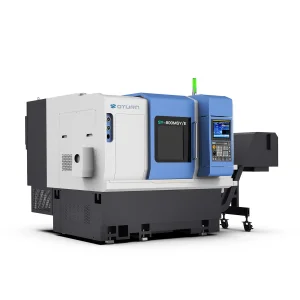
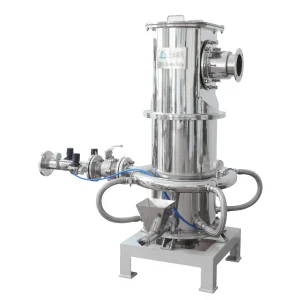
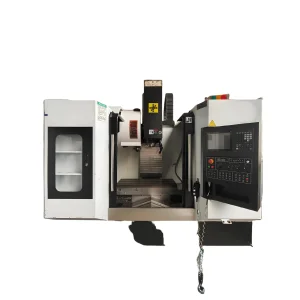
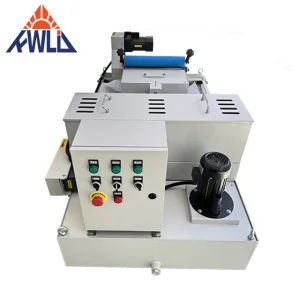
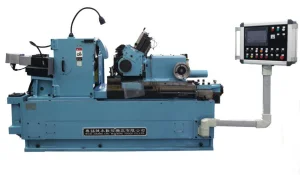
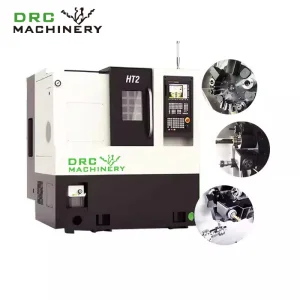
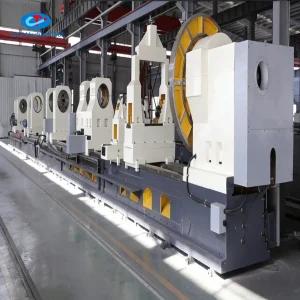
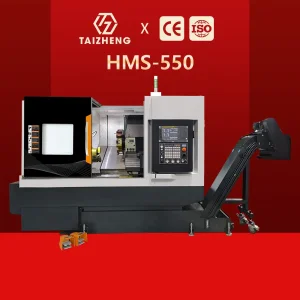
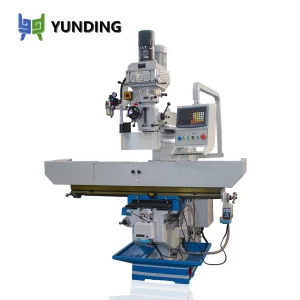
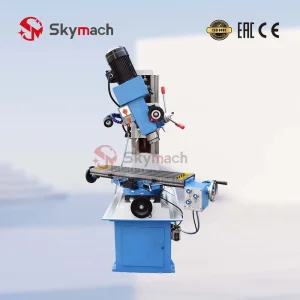
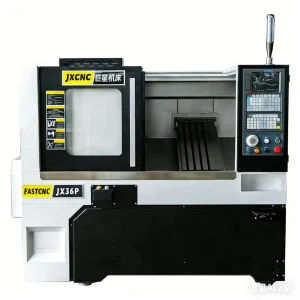
Explore our elite range of double spindle turning centers, universal grinders, heavy-duty mill tools, and advanced CNC controllers engineered to coordinate perfectly with high-speed tool presetting protocols.
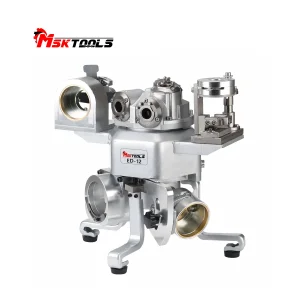
How advanced optical tooling and Industry 4.0 data links are redefining machining accuracy, cutting cycles, and operational efficiency across smart factories.
Traditional tactile tool measurement, while functional, presents inherent limitations: potential chipping of delicate PCD or carbide edges, slow throughput, and operator variability. Modern production demands non-contact optical presetting. Powered by high-resolution CMOS cameras, telecentric lenses, and advanced image algorithms, tools are analyzed in milliseconds. Sub-micron accuracy is reached without mechanical touch, ensuring tool profile integrity and consistent setups.
Presetters are no longer isolated diagnostic islands. The smart factory requires continuous data paths. Using RFID tags on tool holders or dynamic 2D DataMatrix code scanners, modern presetters output geometric parameters directly to the CNC machine's controller (such as FANUC, Siemens, or Mitsubishi). This removes manual entry errors—a primary source of collisions—and speeds up tool setup by up to 80%.
Global procurement teams favor CE Certified Tool Presetters to guarantee workspace safety and electromagnetic compatibility. Thermally stable cast-iron columns, high-precision linear guides, and integrated security hoods safeguard operators while maintaining sub-micron measurements in harsh, temperature-fluctuating machine shop environments.
In international trade, CE certification is not merely a regulatory checkbox; it is the fundamental proof of quality assurance. The certification ensures the electrical system complies with the Low Voltage Directive (2014/35/EU) and Electromagnetic Compatibility Directive (2014/30/EU). For global procurement directors, purchasing CE-marked presetters protects operators, simplifies corporate insurance evaluations, and guarantees that the system is engineered to survive continuous industrial dutycycles.
Evaluating the return on investment when upgrading to dedicated external tool presetters from internal CNC touch-probes.
Many workshops measure tool lengths using internal touch probes inside the CNC machine. While convenient, this practice keeps the machine spindle idle. If a machine center needs to set 12 tools, and each tool takes 1 minute to touch-off, that represents 12 minutes of lost cutting time per batch. By moving this workflow to an external tool presetter, the machine continues to cut chips while the next tool carousel is measured, boosting output.
Procuring from verified Chinese manufacturers like DSCUT CNC allows buyers to optimize Total Cost of Ownership (TCO). Rather than paying high premiums for Western brands, purchasers secure equivalent structural stability (aged cast-iron bodies, German-engineered linear rails) and optical accuracy at a fraction of the cost, making ROI achievable within 6 to 9 months.
Tool presetters not only measure height and diameter; they inspect tool geometry and runout. A tool with excessive runout will wear out prematurely and produce out-of-tolerance parts. Optical detection allows operators to identify mounting issues or damaged adapters before the tool makes contact with the raw material, keeping scrap rates near zero.
How DSCUT CNC's advanced production systems in South China deliver unmatched stability, adaptability, and high engineering standards to global clients.
Guangzhou DSCUT CNC Co., Ltd. is a professional manufacturer specializing in CNC machining equipment, including milling machines, turning machines, grinding machines, and boring machines. Located in Guangzhou, China, the company integrates research and development, production, sales, and after-sales service to deliver advanced machining solutions for global customers.
With a strong technical team and modern production facilities, DSCUT CNC is committed to providing high-precision, high-efficiency, and stable-performance machine tools for a wide range of industries such as automotive, aerospace, mold manufacturing, electronics, and general mechanical processing. Our products are designed to meet the evolving demands of modern manufacturing, supporting both small-scale workshops and large industrial operations.
Guangzhou DSCUT CNC Co., Ltd. continuously invests in innovation and quality control, ensuring that every machine meets strict international standards. By adopting advanced technologies and precision engineering processes, we aim to enhance productivity, reduce operational costs, and improve machining accuracy for our clients. Every tool presetter and CNC lathe is verified for stability prior to global dispatch.
In addition to standard models, we also provide customized CNC solutions tailored to specific production requirements. Our experienced engineers work closely with customers to develop efficient and reliable machining systems. Guided by the principles of quality, innovation, and customer satisfaction, DSCUT CNC is dedicated to becoming a trusted global partner in the CNC machine tool industry.
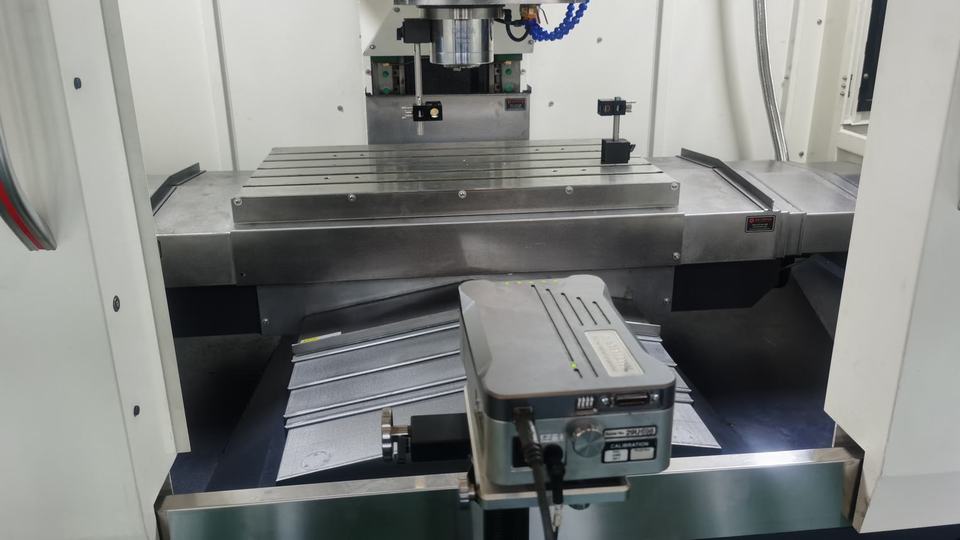
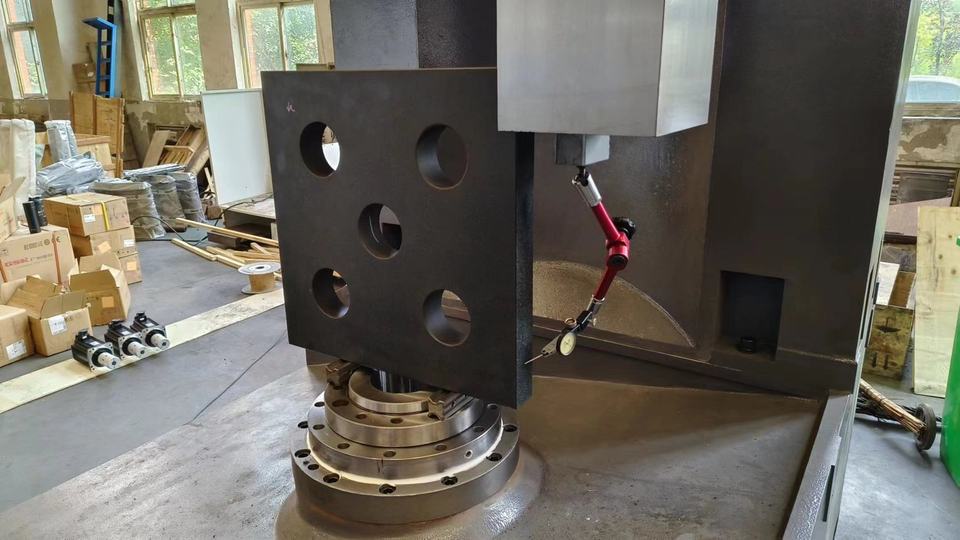
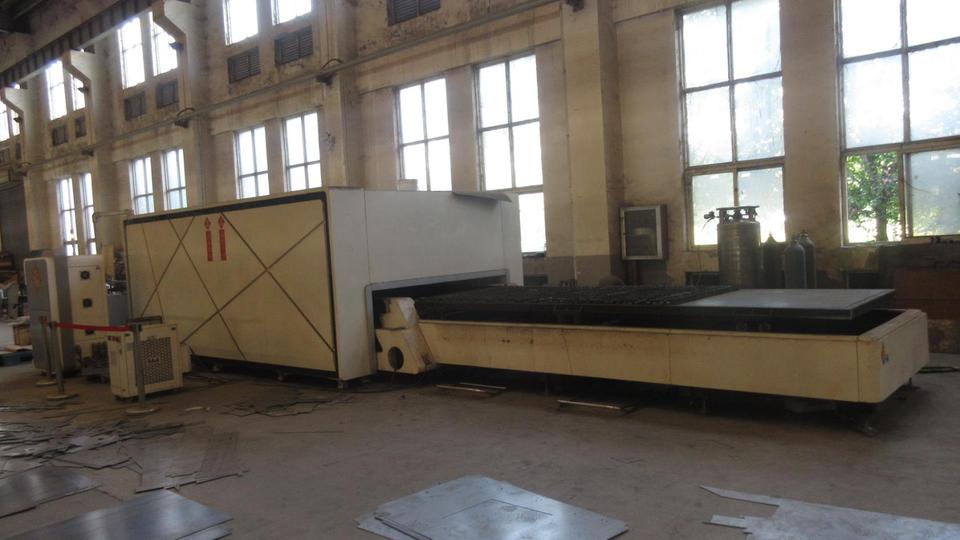
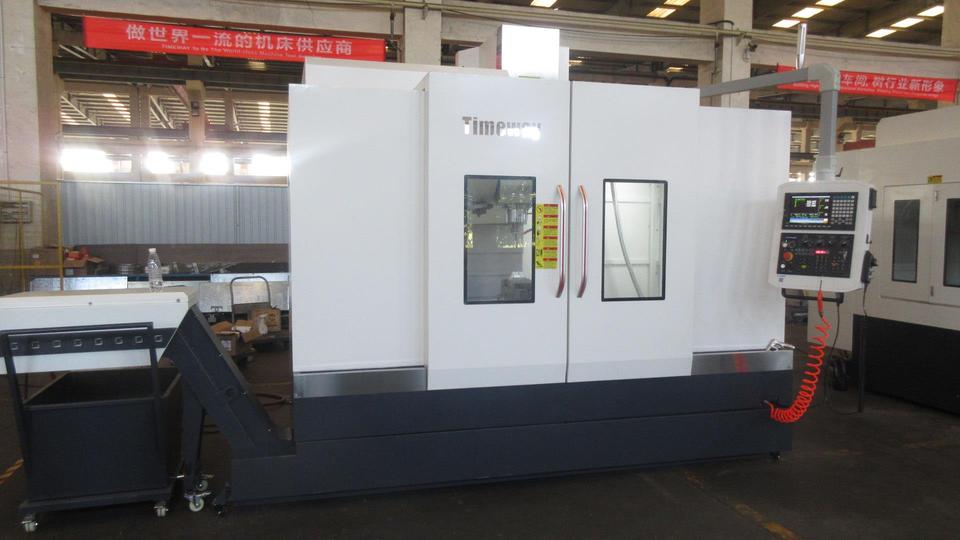
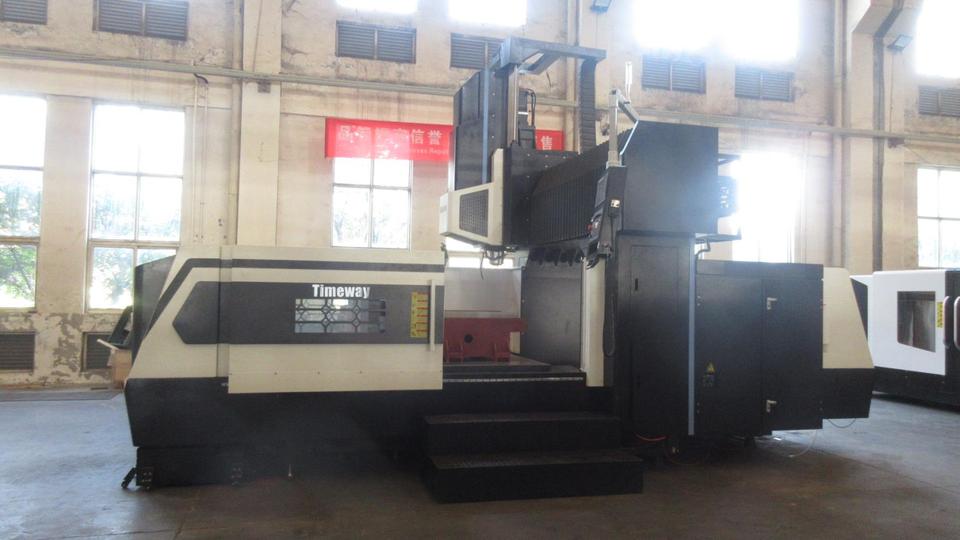
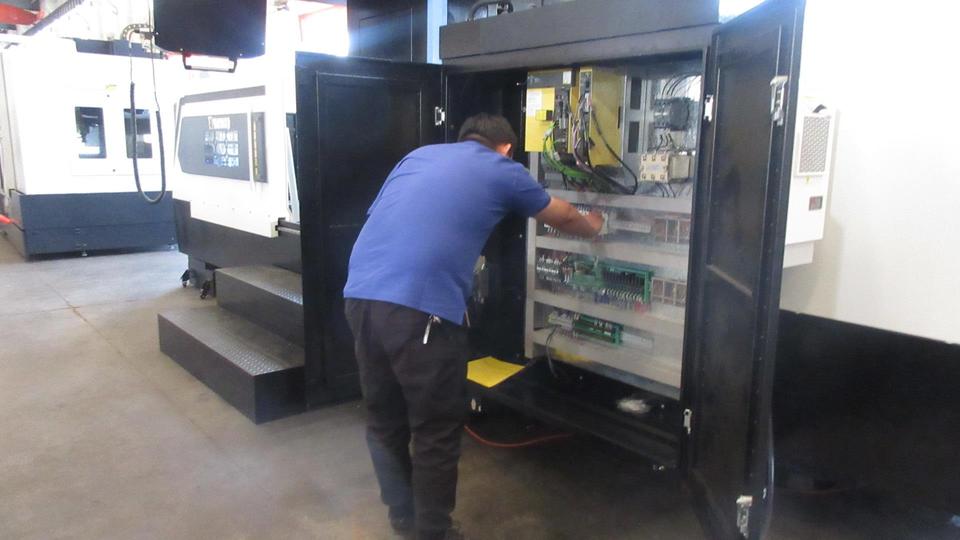
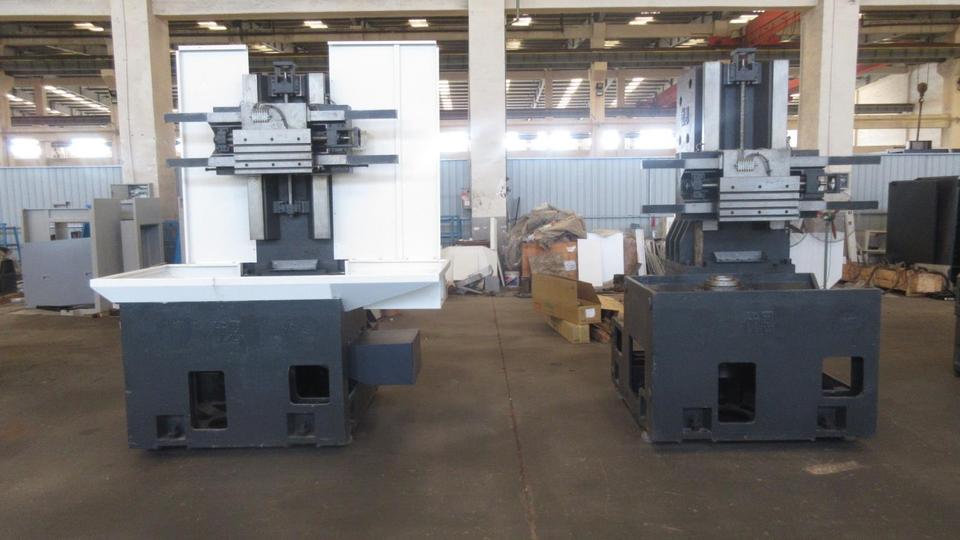
Real-world operational settings demonstrating how Tool Presetters boost efficiency across diverse high-precision markets.
In aerospace manufacturing, component milling involves removing large amounts of material from solid titanium or aluminum blocks. Spindles run continuously. Machine shops use CE-certified presetters with thermal growth compensation to ensure multi-fluted indexable face mills have runout tolerances below 2 micrometers, preventing chatter and meeting aerospace documentation rules.
High-volume production lines require continuous uptime. To minimize setup times during tool changeovers, offline presetters measure backup tool sets. Operators scan the holder's barcode to send offsets to the CNC control unit, reducing tool installation times to seconds and preventing component dimension drifts.
Producing bone screws and dental implants requires micro-endmills (diameters < 0.5 mm). Mechanical touch probes risk damaging these micro-cutting edges. High-resolution optical presetters zoom in to inspect and measure tool profiles without touching the tool, protecting the tools and ensuring precise micro-cuts.
Expert answers addressing configuration, calibration, network protocols, and investment returns for tool measurement platforms.
Complete your high-efficiency manufacturing line with premium machining auxiliary kits, Swiss-type sliding lathes, magnetic filter setups, and fiber optic navigation systems.
 DSCUT CNC