Explore our premium machinery line configured to support high-performance industrial clamping, spindle cooling, and precision grinding architectures.
Machining Repeatability Accuracy
Coolant pressure compatibility
R&D and Industrial Engineering expertise
Global Exporting Countries & Regions
In the high-speed arena of modern manufacturing, workholding is no longer considered a passive clamping task. With standard dimensional tolerances tightening to micron levels in industries such as aerospace, electric vehicles (EV), and medical devices, workholding solutions have evolved into a critical dynamic element of the CNC ecosystem. Proper clamping directly dictates structural rigidity, tool path accuracy, thermal distortion suppression, and overall process stability.
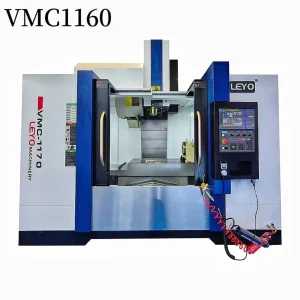
Leading workholding manufacturers have transitioned from providing generic vises to engineering highly specialized solutions including: zero-point clamping systems, magnetic chucks, expanding mandrels, and customized pneumatic/hydraulic fixture arrays. Without an optimized workholding foundation, the investments in high-end multi-axis machining centers (such as the VMC1160 or HMC1000) cannot yield their potential surface quality or throughput efficiency.
Reducing thermal displacement through integrated heat dispersal and structural isolation, vital for high-RPM spindle programs.
Ensuring uniform clamping force distribution that minimizes raw part deflection and micro-slip under heavy cutting loads.
Pneumatic or hydraulic positioning mechanisms that reduce part load/unload changeovers from hours to less than 60 seconds.
As manufacturing trends shift towards high-mix low-volume production (HMLV) and lights-out automated factory lines, several core technologies are transforming workholding engineering:
Purchasing agents look beyond initial purchase price when securing industrial workholding systems. True efficiency hinges on Total Cost of Ownership (TCO), precision, and uptime.
Modern aerospace components demand clamping systems that ensure repeatable positioning within ±3 microns (±0.0001"). Procurement managers seek engineering verification studies, Finite Element Analysis (FEA) models, and certificate documents verifying long-term operational repeatability.
Workholding bases and jaws must withstand high mechanical stresses during heavy roughing phases. High-grade alloy steel (such as 42CrMo or carburized structural carbon steel hardened to HRC 58-62) is mandatory to prevent material degradation under millions of continuous machine cycles.
To minimize spindle downtime, modular fixtures allow fast swap-outs. Standardizing the interface dimensions across vertical machining centers (VMCs), horizontal machining systems (HMCs), and grinders guarantees rapid operational scale-up without needing dedicated proprietary clamping lines.
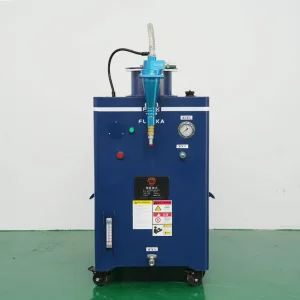
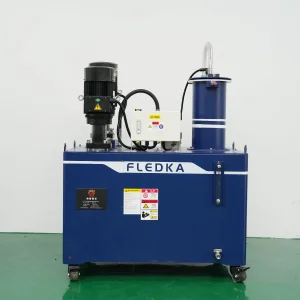
Under high chip-removal rates, heat builds up rapidly. Workholding fixtures must incorporate channels for chip flushing and compatibility with high-pressure coolant units (50bar systems) to flush out metallic chips and keep the tool-workpiece interface thermal expansion uniform.
Integrating advanced engineering, rigorous quality control protocols, and custom high-precision machine tool production.
Guangzhou DSCUT CNC Co., Ltd. is a professional manufacturer specializing in CNC machining equipment, including milling machines, turning machines, grinding machines, and boring machines. Located in Guangzhou, China, the company integrates research and development, production, sales, and after-sales service to deliver advanced machining solutions for global customers.
With a strong technical team and modern production facilities, DSCUT CNC is committed to providing high-precision, high-efficiency, and stable-performance machine tools for a wide range of industries such as automotive, aerospace, mold manufacturing, electronics, and general mechanical processing. Our products are designed to meet the evolving demands of modern manufacturing, supporting both small-scale workshops and large industrial operations.
Guangzhou DSCUT CNC Co., Ltd. continuously invests in innovation and quality control, ensuring that every machine meets strict international standards. By adopting advanced technologies and precision engineering processes, we aim to enhance productivity, reduce operational costs, and improve machining accuracy for our clients. In addition to standard models, we also provide customized CNC solutions tailored to specific production requirements. Our experienced engineers work closely with customers to develop efficient and reliable machining systems.
Guided by the principles of quality, innovation, and customer satisfaction, DSCUT CNC is dedicated to becoming a trusted global partner in the CNC machine tool industry, delivering value through reliable equipment and professional service.
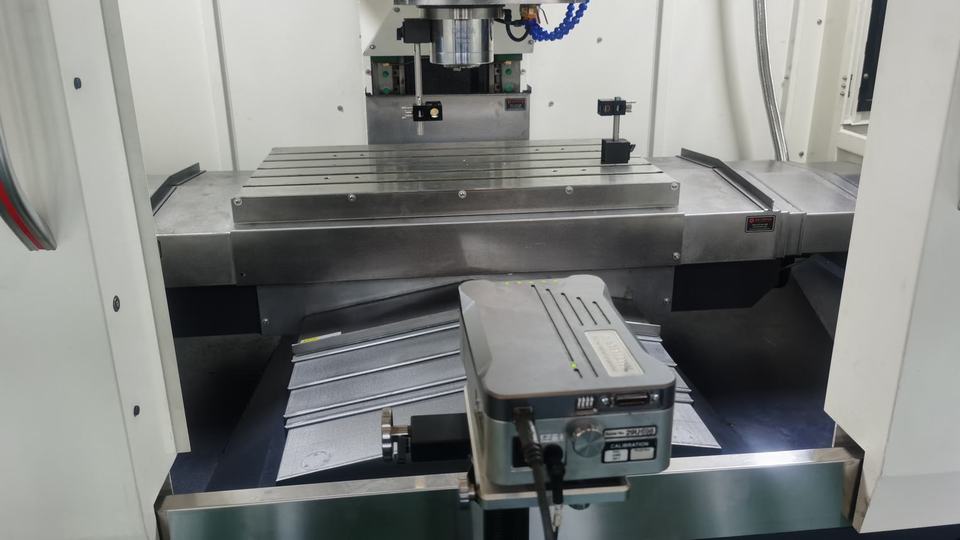
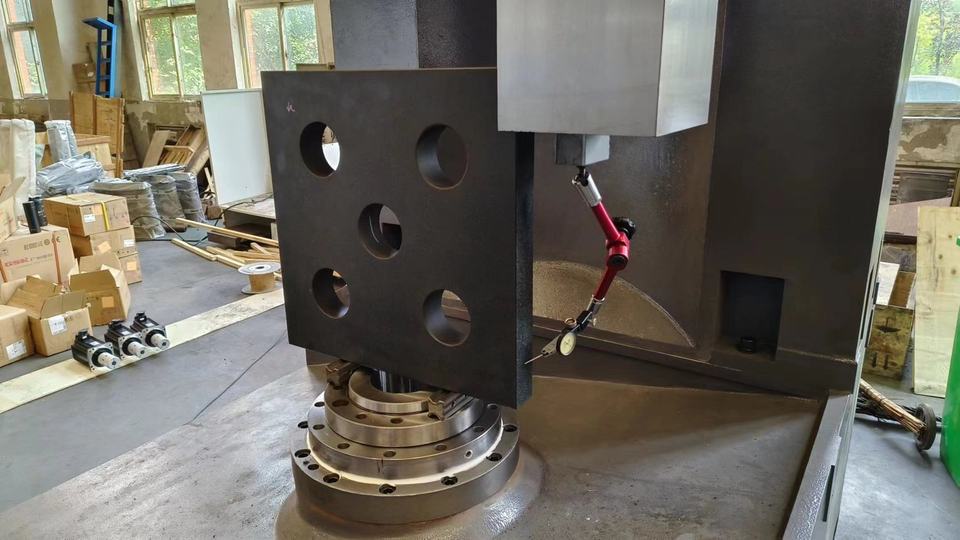
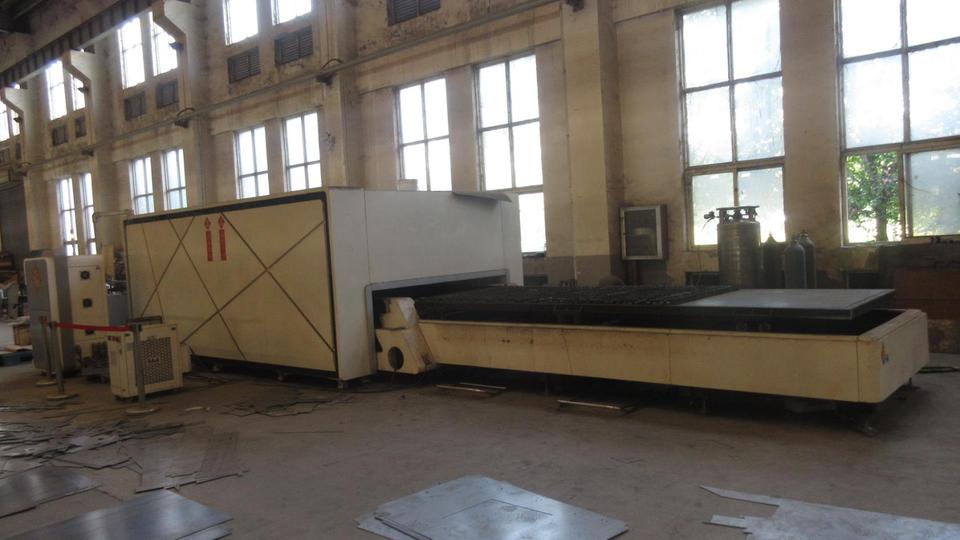
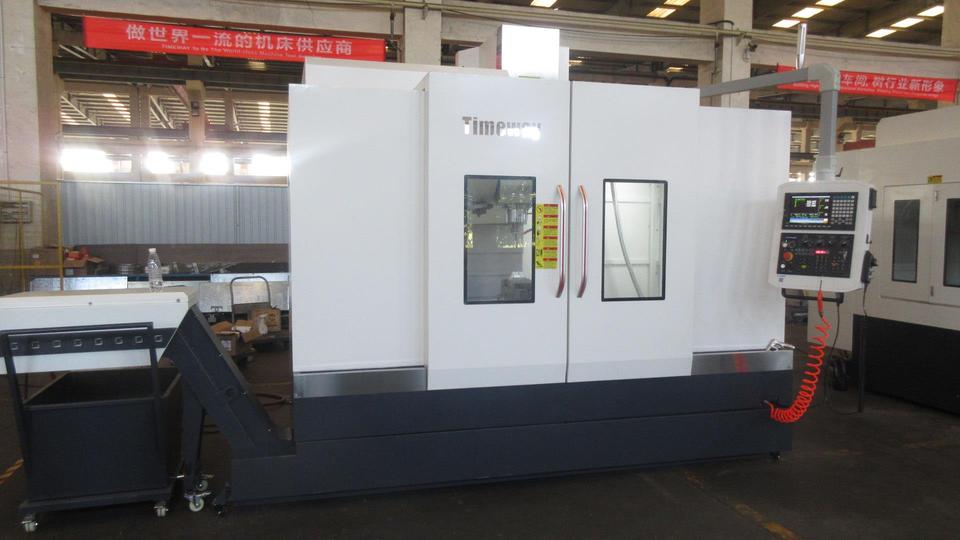
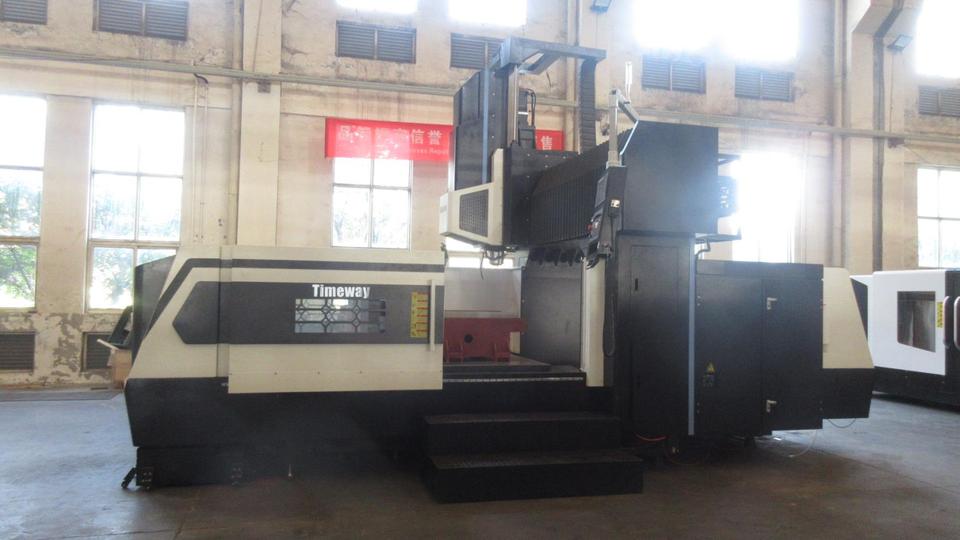
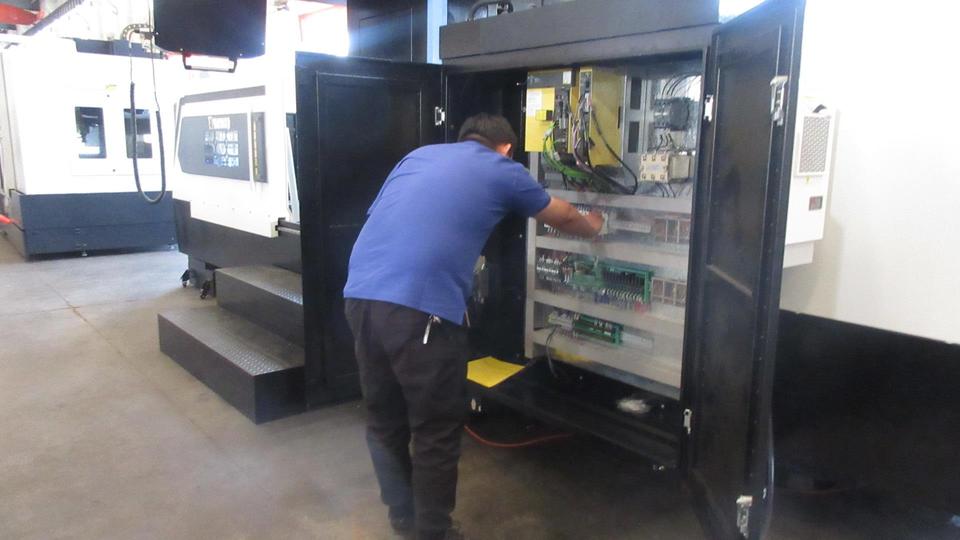
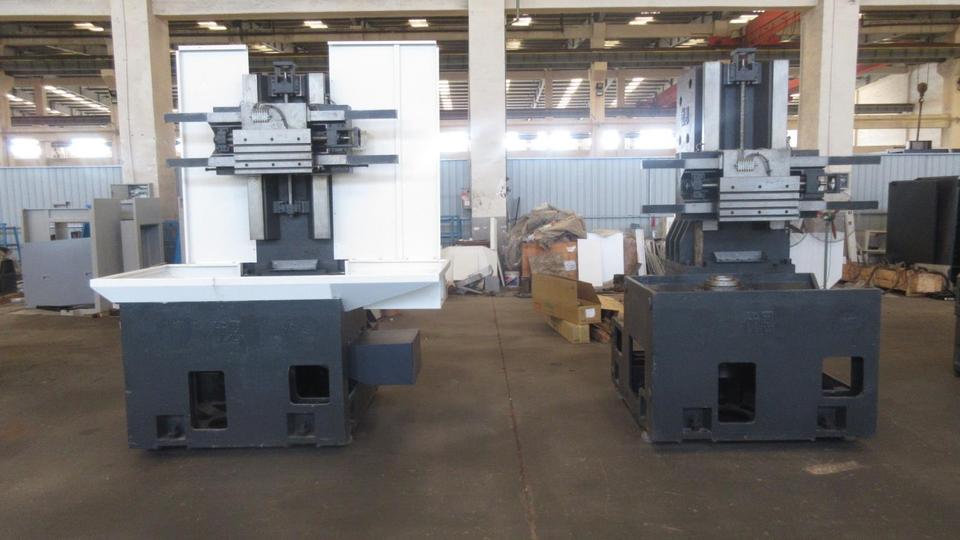
Aerospace manufacturing involves challenging machining applications: milling large, thin-walled titanium structural frames and turning high-temperature nickel-alloy turbine blades. Workholding solutions in this sector require high dynamic rigidity and dampening. If vibration is not minimized, chatter marks will ruin the part's surface finish. DSCUT's multi-axis VMC configurations are designed to support pneumatic clamping systems that damp harmonic vibration during high-speed feed operations.
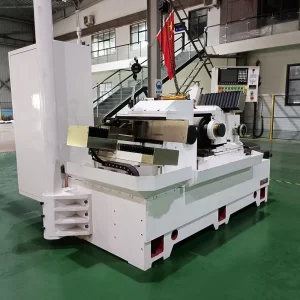
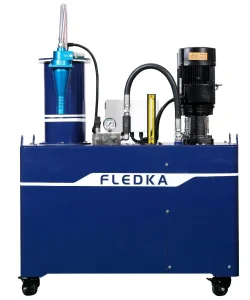
Automotive production lines require high throughput. Rapid cycle times demand fast workpiece clamp/unclamp cycles, typically handled by hydraulic indexing fixtures. For critical processes like crankshaft grinding, centerless grinding, and deep-hole boring, clamping alignment must stay consistent under continuous operation. Synchronizing the machine with a specialized high-performance coolant system (like the DSCUT 50bar unit) keeps temperatures stable and clears chips away from the locating faces.
Medical implants (such as orthopedic bone screws and cobalt-chrome joint replacements) require high bio-compatibility and precision. The micro-machining of these complex parts relies on horizontal machining systems integrated with specialized zero-point indexing heads. Workholding systems must not mark the finished surfaces, requiring non-marring collet sleeves and expanding mandrels.
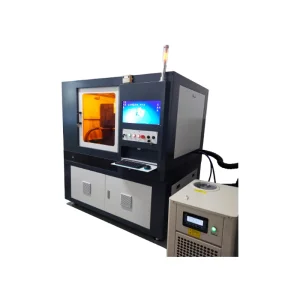
In the semiconductor field, materials are brittle and sensitive to stress. Specialized vacuum and picosecond laser ultra-precision systems require workholding that distributes clamping force evenly across the surface. This prevents micro-fracturing at the crystal structure level during processing.
The convergence of computerized automation and mechanical engineering is driving new advancements in workholding solutions. Manufacturers are focusing on reducing human error, accelerating changeover processes, and integrating software controls directly with the workholding assembly.
Simulating clamp dynamics, deflection limits, and cutting tool paths in CAD/CAM software before producing physical fixtures. This prevents collision errors and saves valuable prototype material.
Automated air-sensor ports that detect when a workpiece is correctly seated on the locating pins, preventing the machining cycle from starting if the part is misaligned by even 10 microns.
Using high-strength carbon fiber structures to reduce the weight of rotating fixtures on 5-axis rotary tables. This reduces wear on the table axes and enables faster acceleration rates.
Through our engineering development, Guangzhou DSCUT CNC Co., Ltd. continues to align machining centers with dynamic spindle cooling architectures and high-pressure coolant configurations. Managing temperatures at the spindle and within the workholding fixture prevents structural alignment drift, helping factories achieve high levels of precision and reliability.
Exporting high-precision CNC machinery and customized workholding systems globally requires compliance with regional safety, environmental, and quality standards. DSCUT ensures our products align with the strict requirements of international manufacturing markets:
Technical answers to common engineering questions regarding workholding rigidity, spindle cooling integration, and precision grinding setups.
A: Zero-point systems use standard pull-studs mounted to the bottom of the fixture plate or workpiece. These lock into receiver chucks integrated into the machine table. This setup eliminates the need to manually align and dial-in vises, allowing quick changeovers with a positioning repeatability of ±5 microns.
A: Standard low-pressure coolant systems fail to clear metallic chips from deep bores or tight pockets. A 50bar high-pressure coolant system forces chips out along the flutes, protecting the tool from damage and ensuring locating faces remain clear of debris. This prevents chips from getting trapped under workholding surfaces and throwing off part alignment.
A: High-speed spindles generate friction heat. Without active cooling (like a 4kw spindle chiller), this heat travels down the spindle shaft and into the tool and workpiece. This thermal expansion causes dimensional drift. Active spindle cooling maintains thermal equilibrium, ensuring the tool tip matches the program coordinates.
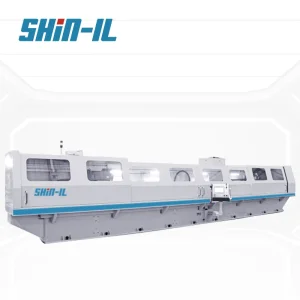
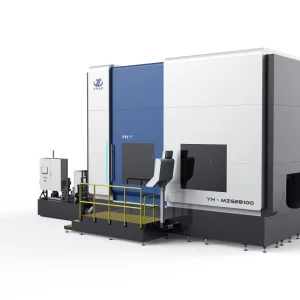
A: Ring components can easily warp under radial pressure from a horizontal 3-jaw chuck. A vertical grinding system uses gravity to help seat the component flat. Combined with magnetic or thin-jaw chucks, this approach minimizes deformation to ensure high concentricity and roundness.
A: We use high-tensile nodular cast iron (FCD600) and carburized alloy steels for our heavy-duty fixture structures. Dynamic finite element analysis (FEA) is performed to ensure the workholding can withstand high cutting forces without flexing, even under aggressive machining conditions.
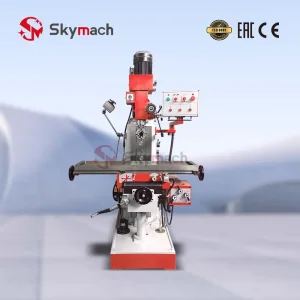
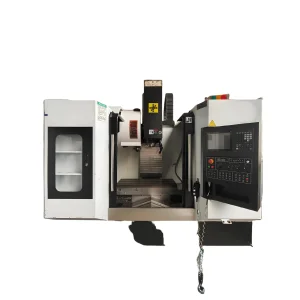
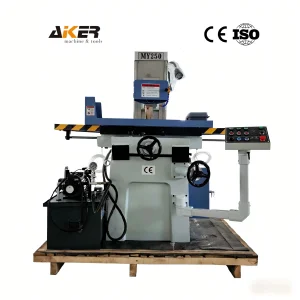
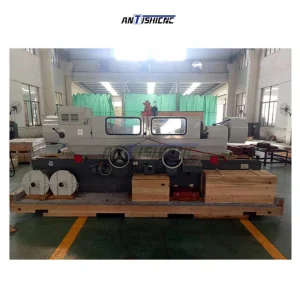
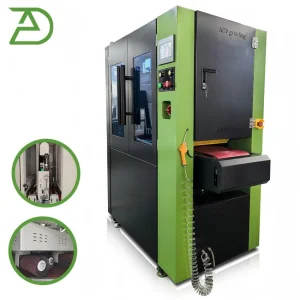
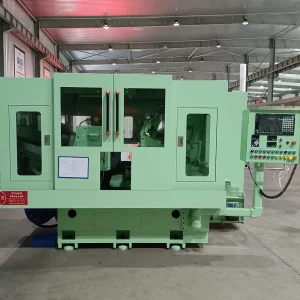
Discover our range of multi-axis machining centers, horizontal systems, crankshaft grinders, and deburring equipment.
 DSCUT CNC