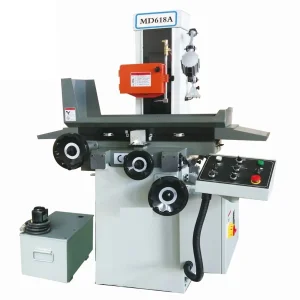
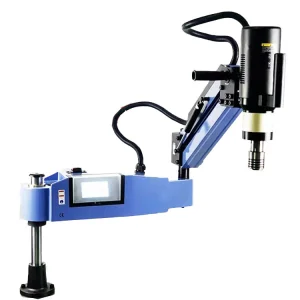
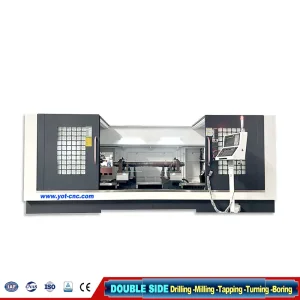
Explore the core manufacturing systems that form the baseline of modern machinery fabrication, heavy engineering, and aerospace surface finishing lines.
In the modern industrial landscape, coating systems are not isolated entities. They are highly complex systems consisting of high-pressure fluid dynamics, thermal spray nozzles, precision doctor blades, electro-deposition tanks, and vapor deposition chambers. The engineering integrity of a coating system—whether it is a Thermal Barrier Coating (TBC) rig for aerospace, a thin-film Physical Vapor Deposition (PVD) reactor for semiconductors, or a multi-stage electrostatic spray booth for high-volume automotive production—rests entirely on the precision of the tools that manufacture its structural components.
This is where precision toolmakers and advanced machining infrastructure become indispensable. The global demand for wear-resistant, anti-corrosive, thermal-reflective, and barrier coatings requires manufacturing hardware capable of tolerances down to the sub-micron scale. A minor deviation in a spray nozzle or a micro-imperfection on a coating roller can lead to coating runout, uneven film density, and catastrophic component failure. By leveraging high-precision CNC turning, milling, and grinding systems, global factories ensure the structural reliability and long-term durability of these coating infrastructures.
The global market for industrial coating systems is undergoing a monumental shift driven by rapid urbanization, infrastructure expansion, and a growing emphasis on high-performance materials in heavy industries. Market reports suggest that the industrial coating equipment market is growing at a compound annual growth rate (CAGR) of over 5.4%, driven by demand for advanced surface finishing solutions. As key manufacturers, modern factories must supply systems that accommodate a vast range of chemical compositions, including solvent-borne, water-borne, powder-based, and UV-cured formulations.
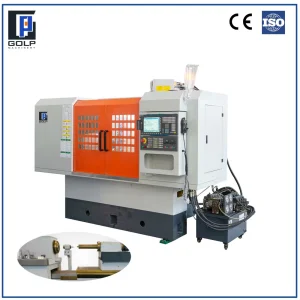
In the automotive sector, coating systems have transitioned from manual spray configurations to fully automated robotic painting cells. These cells use rotary atomizers that spin at up to 60,000 RPM. Producing these atomizers requires ultra-precise CNC turning centers capable of balancing high-speed rotational components. Similarly, the maritime industry utilizes heavy-duty airless spray systems to apply thick anti-fouling coatings to ship hulls. These systems require high-pressure valves and nozzles machined from hard carbide alloys, which can only be finished using advanced cylindrical and internal grinding machines.
Several macro-trends are shaping the future of coating systems manufacturing:
Modern factories are integrating IoT sensors into spray systems to monitor pressure fluctuations, temperature gradients, and nozzle wear in real-time, feeding telemetry data directly into central ERP systems.
Environmental regulations like REACH and EPA are pushing manufacturers to phase out hexavalent chromium and VOC-heavy solvents, boosting the adoption of thermal spray, dry powder coatings, and clean PVD/CVD systems.
Aerospace and electronics sectors demand nanostructured barrier coatings. Achieving thin, uniform layer deposition requires precise spray control and high-tolerance fluid delivery channels.
The application of industrial coating systems varies significantly by geographic region and local regulatory environments:
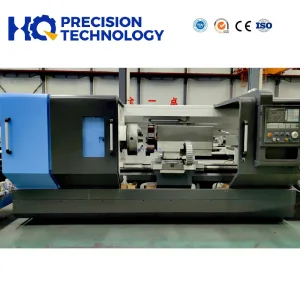
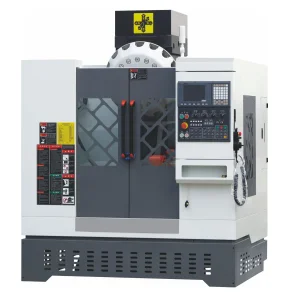
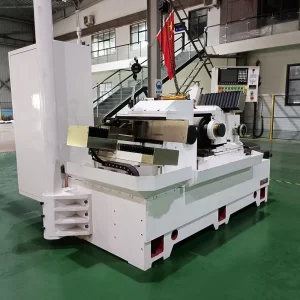
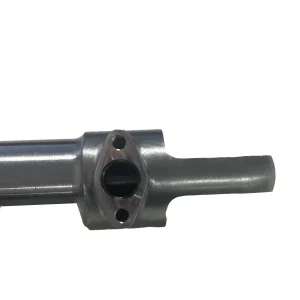
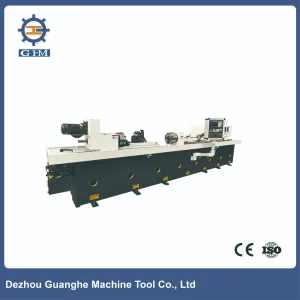
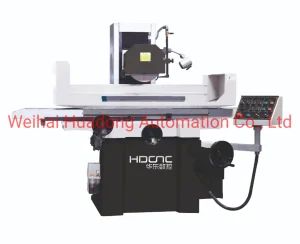
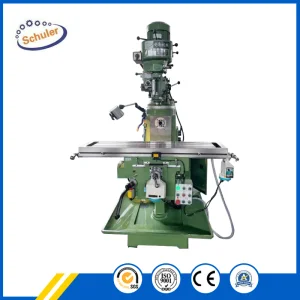
Our state-of-the-art facilities run advanced CNC mills, heavy-duty grinders, and precise turning systems to manufacture critical machinery components for the world's most demanding coating systems.
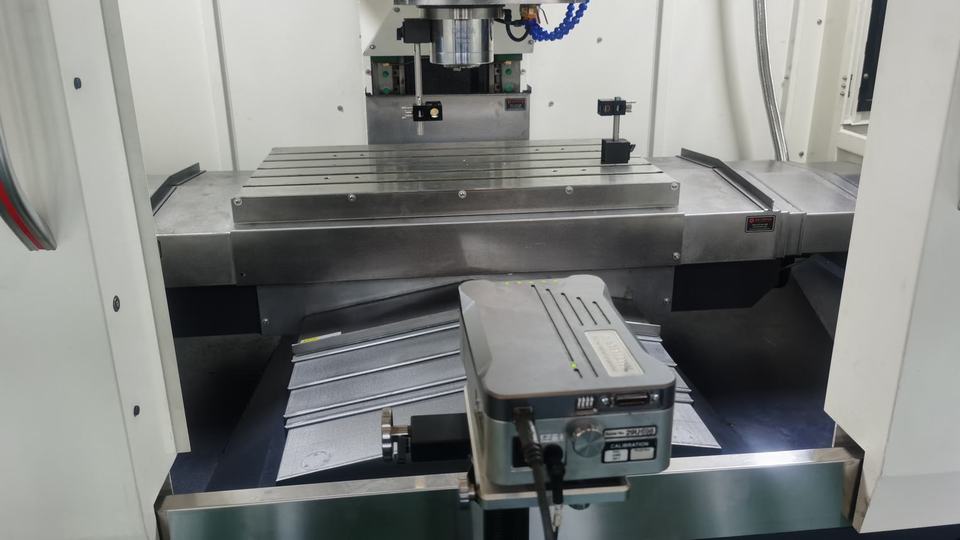
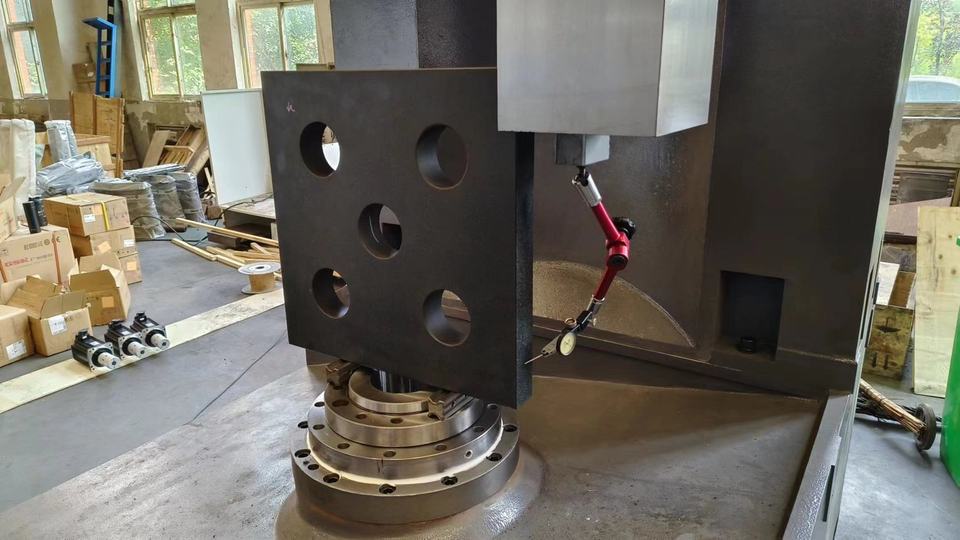
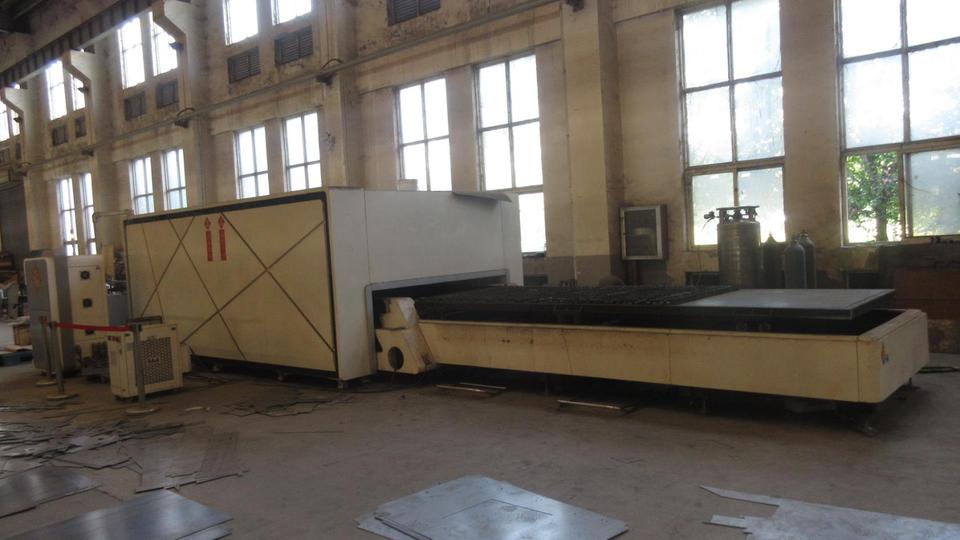
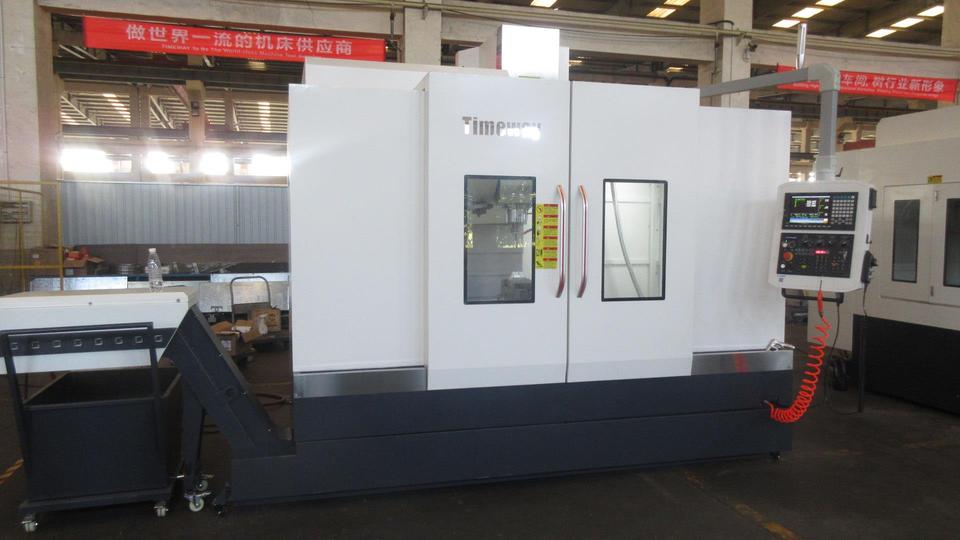
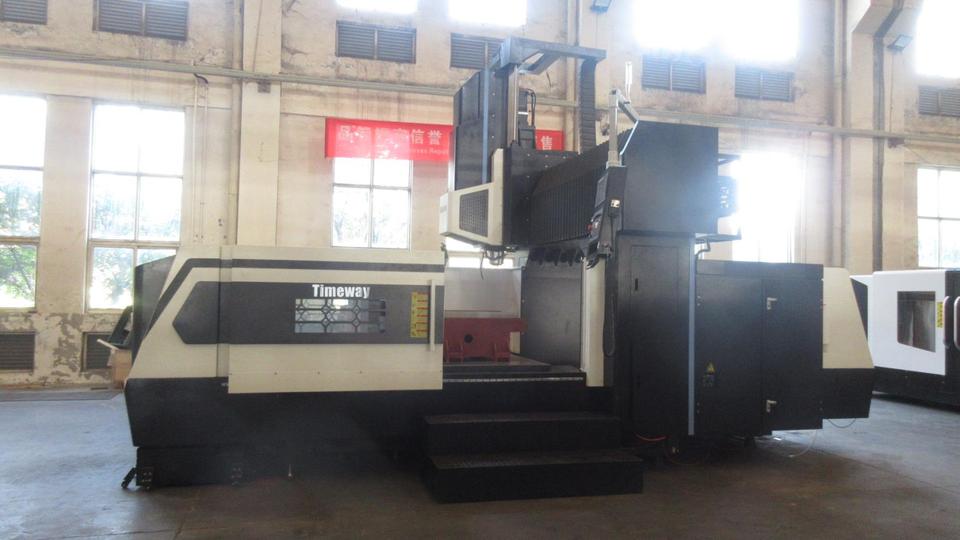
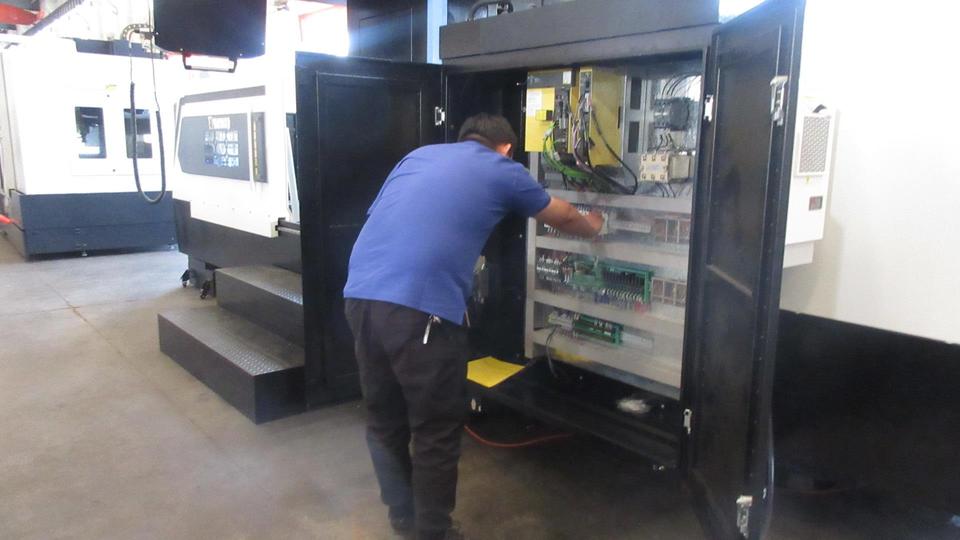
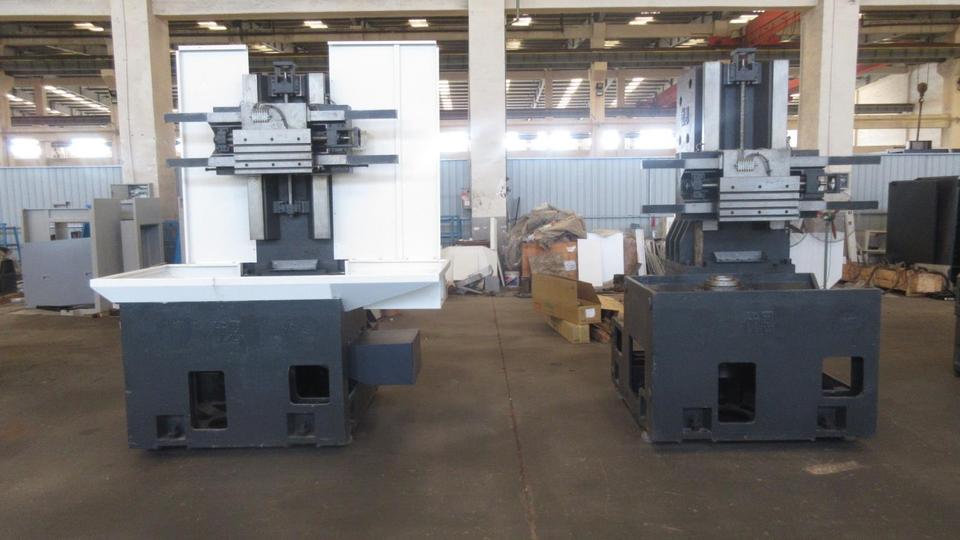
Guangzhou DSCUT CNC Co., Ltd. is a professional manufacturer specializing in CNC machining equipment, including milling machines, turning machines, grinding machines, and boring machines. Located in Guangzhou, China, the company integrates research and development, production, sales, and after-sales service to deliver advanced machining solutions for global customers.
With a strong technical team and modern production facilities, DSCUT CNC is committed to providing high-precision, high-efficiency, and stable-performance machine tools for a wide range of industries such as automotive, aerospace, mold manufacturing, electronics, and general mechanical processing. Our products are designed to meet the evolving demands of modern manufacturing, supporting both small-scale workshops and large industrial operations.
Guangzhou DSCUT CNC Co., Ltd. continuously invests in innovation and quality control, ensuring that every machine meets strict international standards. By adopting advanced technologies and precision engineering processes, we aim to enhance productivity, reduce operational costs, and improve machining accuracy for our clients. In addition to standard models, we also provide customized CNC solutions tailored to specific production requirements. Our experienced engineers work closely with customers to develop efficient and reliable machining systems.
As we look toward the next decade, the convergence of AI-driven control systems and physical machine tools will redefine coating efficiency and material usage. Advanced coating factories are targeting "Zero-Waste" application rates. This goal requires spray nozzle apertures to dynamically adjust to changing air density and humidity. CNC machines, integrated with feedback systems, are now manufacturing smart nozzle heads with internal variable geometry. These channels can constrict or expand via piezoelectric actuators to maintain a constant droplet size.
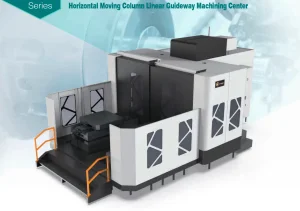
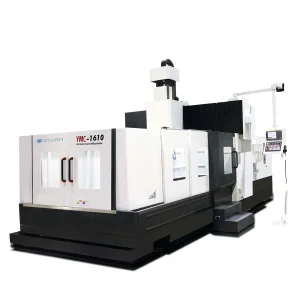
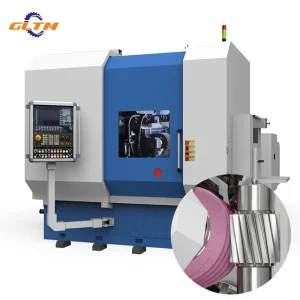
Furthermore, the development of ultra-hard coatings—such as Diamond-Like Carbon (DLC) and high-entropy alloy claddings—has created a recursive challenge. The machines used to shape these coated components must themselves be harder and more rigid. Heavy-duty gantry milling systems and specialized tooth grinders are critical in machining the hard tool steels and heat-resistant superalloys used to construct these next-generation coating chambers. By deploying high-rigidity structures, thermal stability controls, and active vibration dampening, factories can maintain structural fidelity even when machining under high-load conditions.
By mapping precision CNC machining capabilities directly to coating system challenges, DSCUT CNC delivers customized solutions across high-value sectors:
Applying ceramic thermal barriers to jet engine turbine blades requires precise plasma spray guns. The internal electrodes, gas swirlers, and nozzles must be machined to strict tolerances to prevent gas turbulence. By using multifunction Swiss-type lathes and internal grinders, DSCUT CNC helps produce components with internal tolerances under ±2 microns, ensuring stable plasma generation.
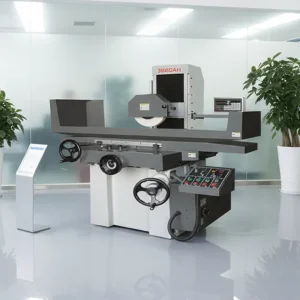
High-volume automotive painting depends on electrostatic charging systems. The paint distributor discs must be balanced perfectly to prevent paint splattering and defects. Utilizing heavy-duty gantry milling centers and precision surface grinders ensures that the rotary assemblies are balanced dynamically, preventing paint runs and surface orange peel effects.
Semiconductor wafer processing requires thin-film deposition under high-vacuum conditions. The gas distribution showerheads and substrate heaters inside PVD/CVD reactors must be free of surface micro-pores. DSCUT CNC's high-speed milling centers and deep-hole drilling equipment are capable of drilling thousands of micro-holes with clean internal finishes, preventing gas stagnation and particulate contamination.
Get authoritative answers to core technical questions regarding industrial coating machinery, structural component tolerances, and modern CNC factory capabilities.
Select high-performance industrial machines engineered to deliver high torque, extreme stiffness, and tight tolerances for mass-production lines.
 DSCUT CNC