Explore our core engineered high-precision components and advanced industrial CNC systems designed to optimize tool life and production output.
In the highly competitive landscape of subtractive manufacturing, the rigidity and runout tolerances of tooling system interfaces are critical factors. As a pioneer in manufacturing high-end machining setups, Guangzhou DSCUT CNC Co., Ltd. offers industry-grade, customizable tooling architectures designed to withstand extreme dynamic forces.
Standardized interfaces like BT (MAS 403), HSK (DIN 69893), and CAT (ANSI B5.50) are engineered to ensure precision. A runout variance of even 5 microns can reduce tool life by up to 50% under load. DSCUT's customized tooling systems utilize advanced material treatments to maintain axial alignment at spindle speeds exceeding 25,000 RPM. This allows global manufacturers to optimize chip load, improve surface finishes, and reduce cycle times across various industrial operations.
By offering customized engineering solutions, DSCUT adapts to non-standard spindle configurations and unique workpiece requirements, ensuring that each interface maintains maximum static and dynamic stiffness under demanding production schedules.
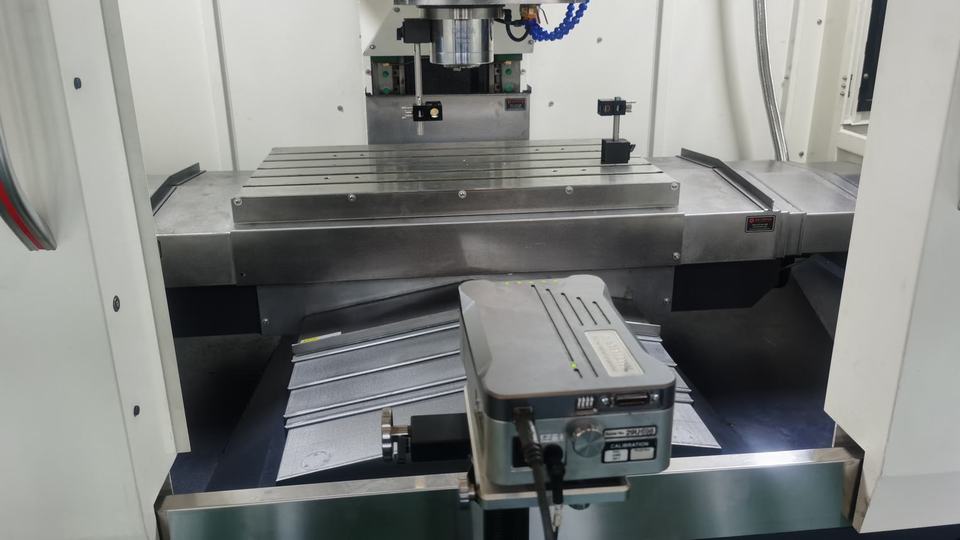
Spindle Runout Tolerance
Dynamic Balance Class at 25,000RPM
Exporting Destination Countries
ISO & DIN Compliance Inspected
A closer look at how material science and specialized manufacturing processes deliver performance advantages for challenging machining applications.
Manufactured using low-alloy steel alloys like 20CrMnTi, carbonized to a depth of 0.8–1.2mm, and tempered to HRC 58-62. This process ensures high wear resistance at the taper interface and high core elasticity to withstand intense torsional forces.
Utilizes custom hydraulic chambers that compress tool shanks uniformly. This design provides excellent vibration damping and concentric runout accuracy of less than 3 microns, which helps extend cutting tool life.
Leverages thermal expansion mechanisms to secure solid carbide tools. The resulting uniform grip provides high radial rigidity and a slim profile, making it suitable for deep-cavity mold machining.
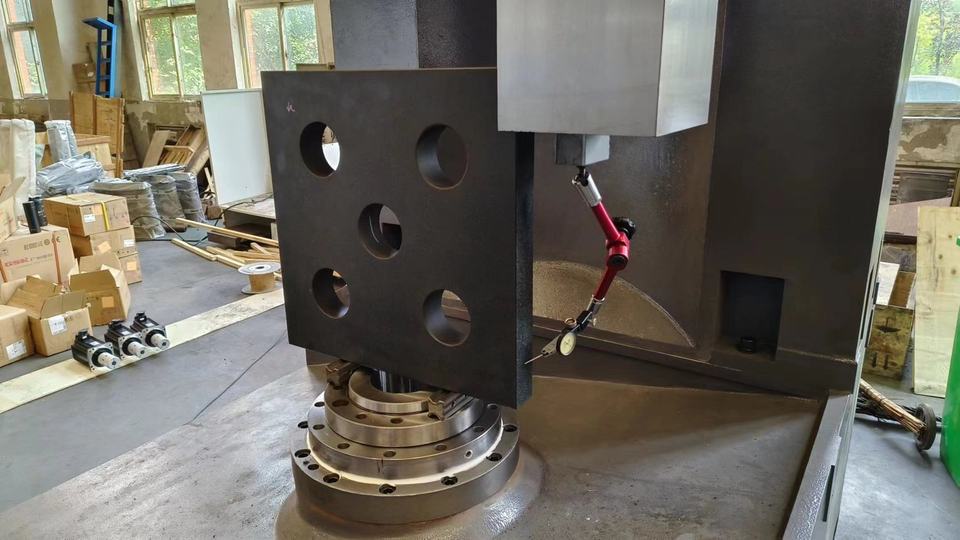
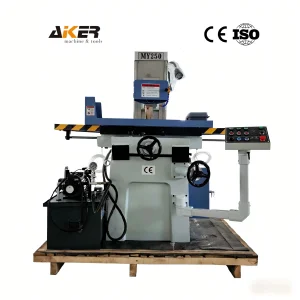
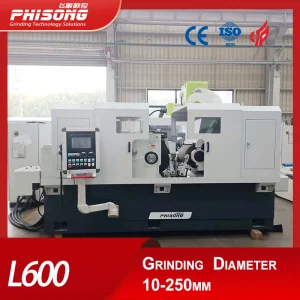
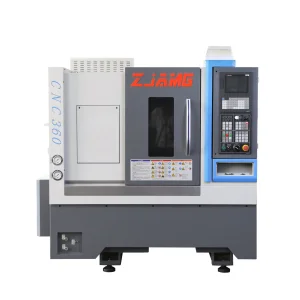
At our Guangzhou manufacturing base, DSCUT CNC utilizes modern manufacturing technologies to maintain consistent high quality across our product range. Our production facility operates in accordance with Industry 4.0 standards, integrating high-precision grinding machines, automated multi-axis turning centers, and coordinate measuring machines (CMM).
Our vertical integration, from raw material inspection and rough machining to precision grinding and dynamic balancing, enables us to keep lead times short. By using advanced manufacturing planning systems, we manage both high-volume OEM orders and custom ODM prototypes with high efficiency. This helps minimize downtime for global distributors and production facilities.
Each tool holder and adapter undergoes a series of precise processing steps to meet international manufacturing standards.
Spectrographic verification of incoming raw materials helps ensure they meet chemical composition requirements for high-stress applications.
Controlled carburizing and quenching processes help achieve the target surface hardness and core toughness.
Double-sided contact grinding helps ensure taper tolerances meet AT3 standards for secure spindle engagement.
Each assembly is dynamically balanced using specialized balancing equipment to reduce spindle wear at high speeds.
A look at our Guangzhou manufacturing and quality control facilities, showing the processes behind our tooling components and machinery.
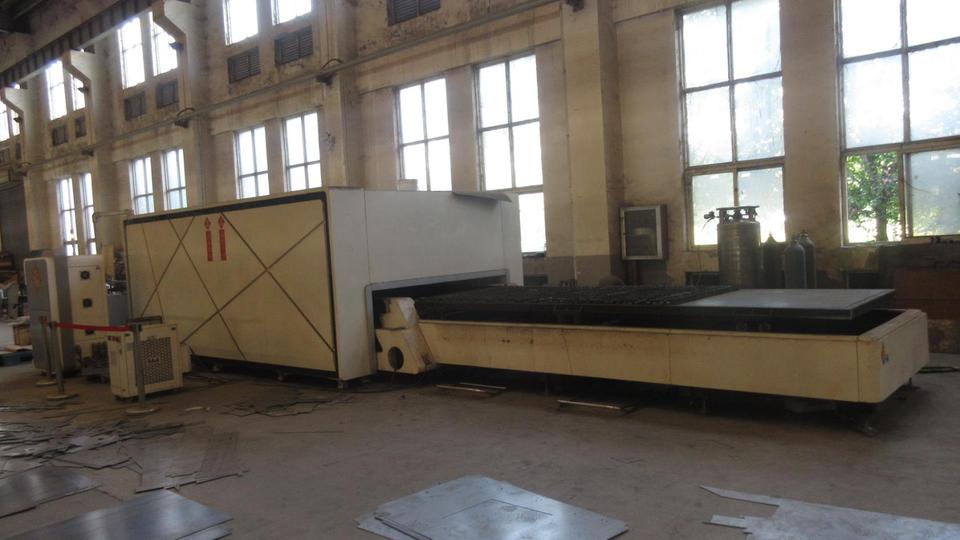
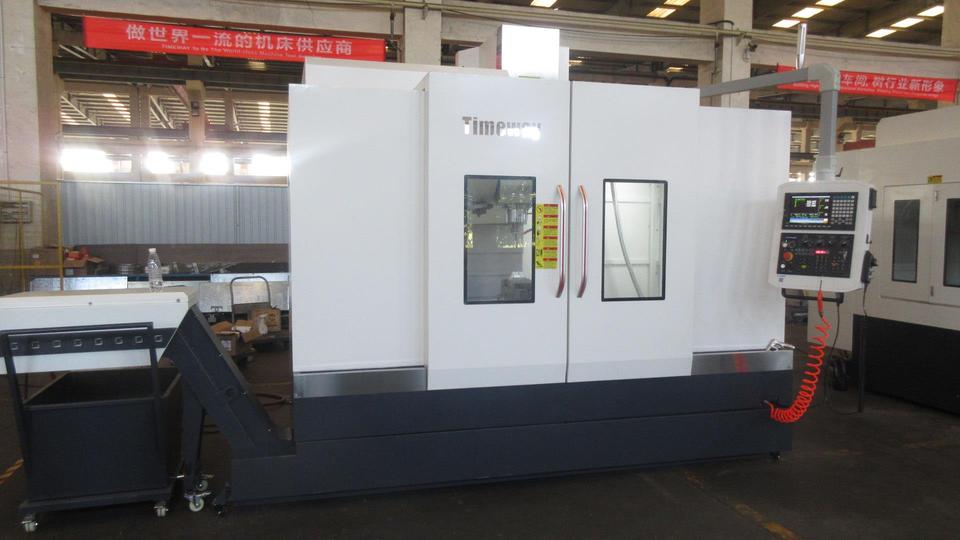
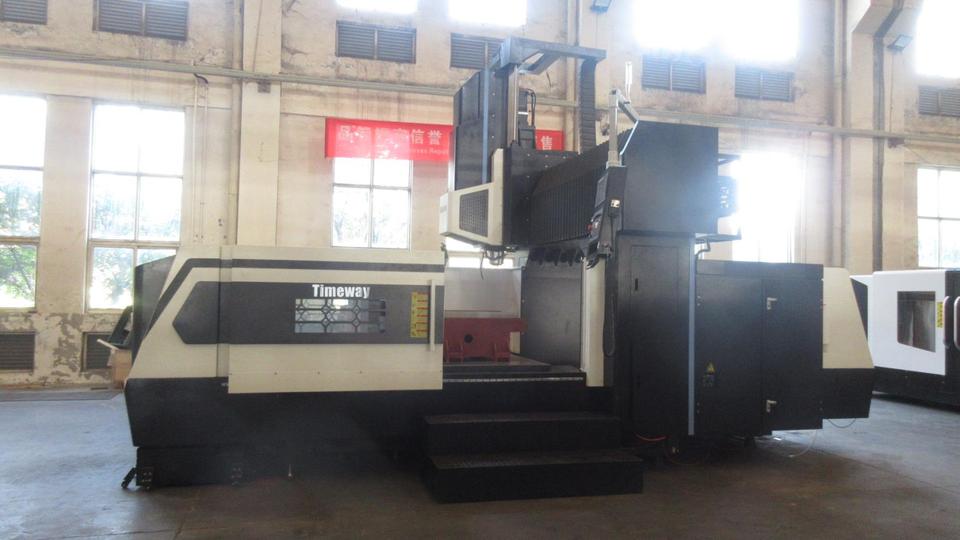
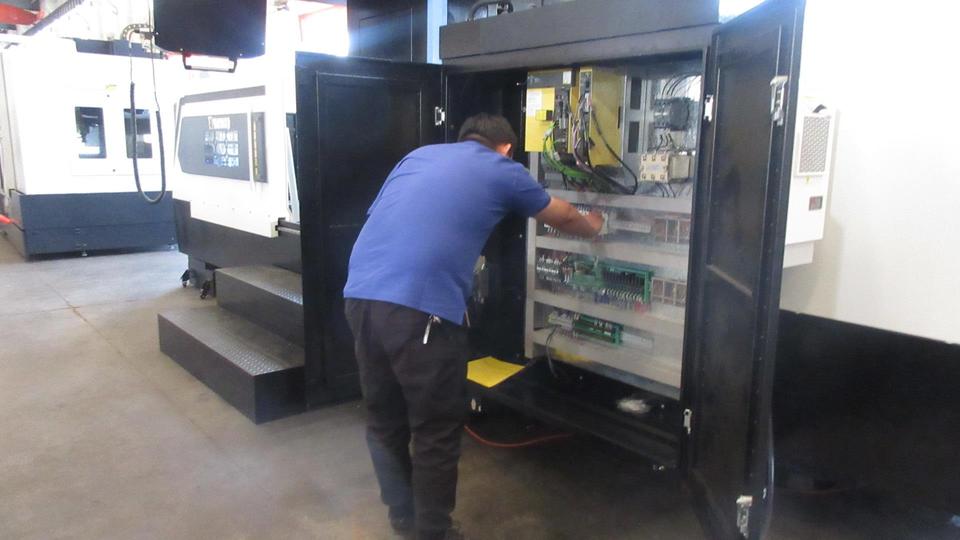
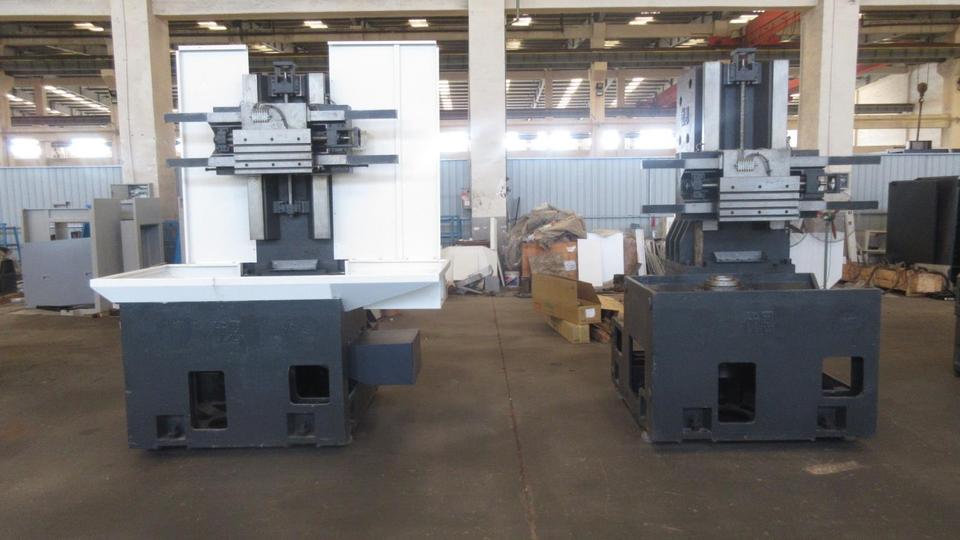
Our products are engineered to meet the processing requirements of demanding industrial sectors worldwide.
Machining titanium, Inconel, and carbon fiber composites requires tooling with high stiffness. Our high-grip collet chucks and shrink-fit systems help prevent tool pull-out and maintain tolerances during deep-contour milling of aerospace structures.
For high-volume production lines, tool reliability is crucial. Our custom tool holders and tapping adapters are designed for automated tool changes, helping to minimize spindle wear during extended manufacturing cycles.
Achieving smooth surface finishes on hardened mold steels requires low runout. DSCUT's balanced tool holders allow for consistent cutting forces, reducing manual polishing requirements for finished molds.
As smart manufacturing adoption grows, tool holding systems are transitioning from passive components to active data sources. DSCUT's technical roadmap focus includes the development of sensor-integrated tool holders capable of real-time vibration, temperature, and clamping force monitoring. These smart tooling systems transmit data directly to the CNC control system via wireless protocols, helping prevent workpiece damage and premature tool failure.
We are also researching advanced coatings and material options to improve damping performance, which can help maintain stability at high spindle speeds. Additionally, our developments in internal coolant delivery channels (including options optimized for cryogenic MQL setups) aim to improve heat dissipation when cutting difficult-to-machine superalloys.
Key technical criteria for purchasing teams sourcing high-precision tool holder solutions.
Evaluate runout tolerances under load. Sourcing holders certified to < 0.003mm at 3xD helps protect carbide drills and mills from micro-chipping, reducing tooling costs.
Verify that taper contact surfaces exceed 85% contact area (AT3 tolerance). This ensures proper load distribution, protecting expensive machine spindles from damage.
Confirm the carbonization depth and hardness specifications. Sourcing premium materials like 20CrMnTi ensures structural stability and longevity over millions of tool-change cycles.
Common questions from tooling engineers and procurement officers regarding manufacturing specifications and custom capabilities.
For standard modifications (such as customized coolant channel configurations or unique shank dimensions), our standard delivery timeline is 15 to 25 days. For complete custom ODM engineering designs, including finite element analysis (FEA) testing and prototyping, lead times range from 30 to 45 days, depending on geometry complexity and metallurgical specifications.
For spindle speeds exceeding 15,000 RPM, HSK (hollow taper shank) interfaces are typically recommended. The design uses centrifugal forces to pull the tool holder taper tighter into the spindle socket, helping maintain contact accuracy. For heavy-duty roughing applications at lower speeds, dual-contact BT or CAT systems are often used for high bending stiffness.
Every tool holder is checked on advanced dynamic balancing systems. We balance our components to G2.5 Class limits up to 25,000 RPM, in accordance with ISO 1940 standards. This balancing helps prevent spindle vibrations, protecting both the machine spindle bearings and the cutting edge of the tool.
We provide several surface treatment options, including black oxide coating, nickel-phosphorus plating, and customized anti-rust coatings. These treatments are designed to resist rust and wear from exposure to water-soluble and synthetic cutting fluids, helping to extend the operational life of the holder.
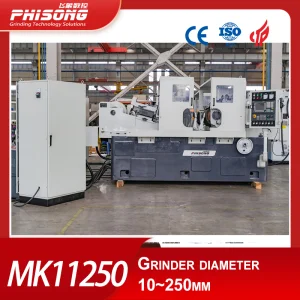
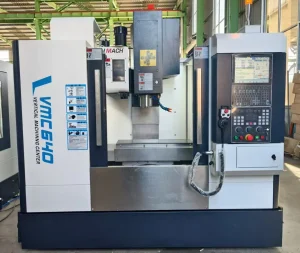
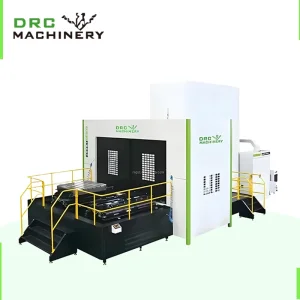
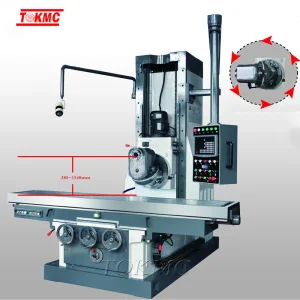
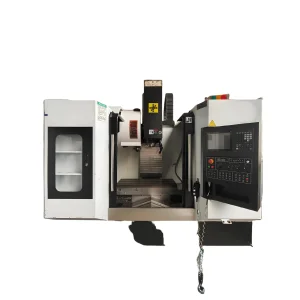
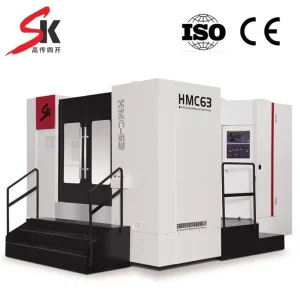
Explore our wider range of high-rigidity CNC turning centers, centerless grinders, and specialized industrial accessories.
 DSCUT CNC