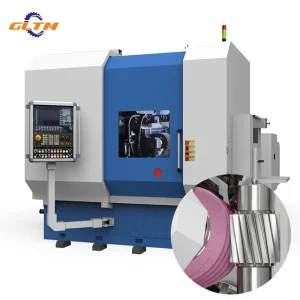
Direct manufacturer integration offering advanced industrial equipment for heavy slag removal, vertical milling, multi-axis turning, and specialized filtration components.
Modern manufacturing requires micro-metric precision, making workholding technology the absolute anchor of high-efficiency machining. Chucks and vises are not mere mechanical clamps; they are dynamic precision systems that directly govern accuracy, torque capacity, vibration damping, and cycle reliability during turning, milling, and grinding cycles.
Internationally, the demands for chucks (lathe workholding) and vises (machining center workholding) have shifted toward hydraulic, pneumatic, and quick-change zero-point setups. As global manufacturing scales up aerospace, defense, electric vehicle (EV) production, and medical implants, selecting top-tier chuck and vise suppliers is a direct factor in mitigating geometric errors and maximizing machine tool return on investment (ROI).
Within this ecosystem, Guangzhou DSCUT CNC Co., Ltd. plays a vital integration role. As a prominent CNC equipment manufacturer specializing in milling, turning, grinding, and boring machines, DSCUT CNC coordinates precision chuck and vise deployment to ensure zero-point alignment and micro-tolerance performance for industrial operators worldwide.
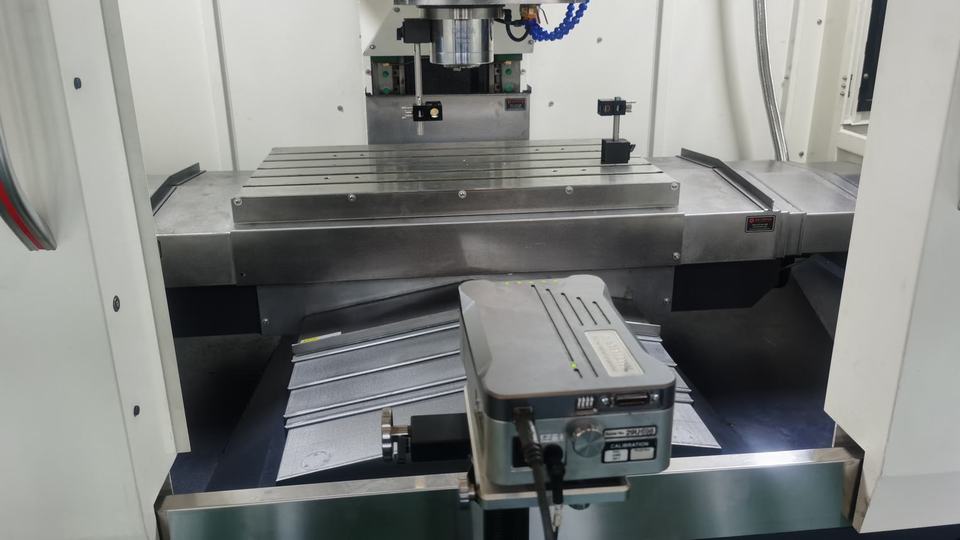
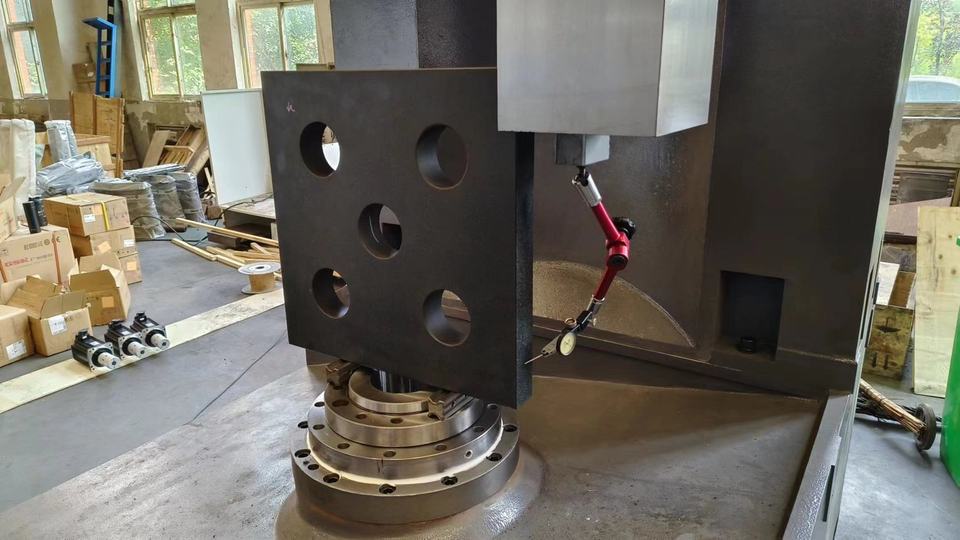
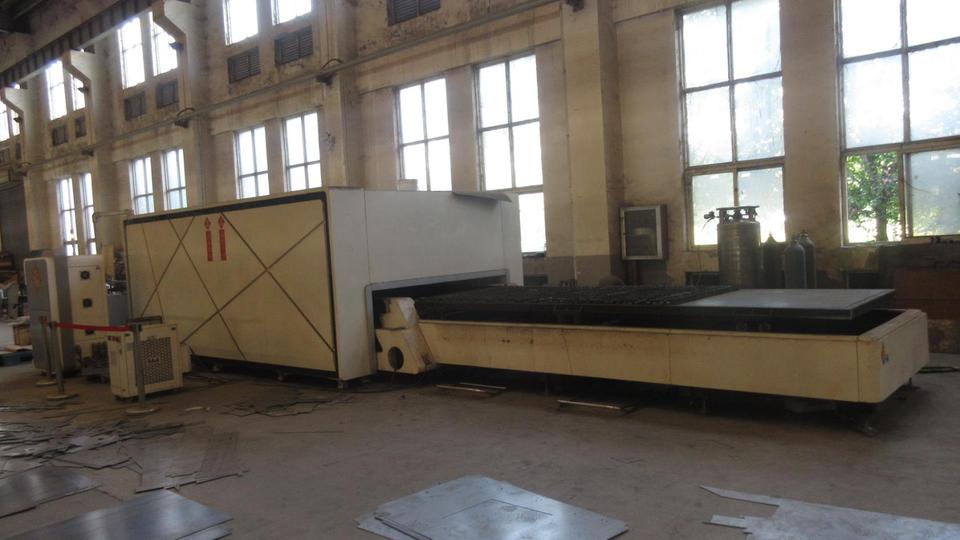
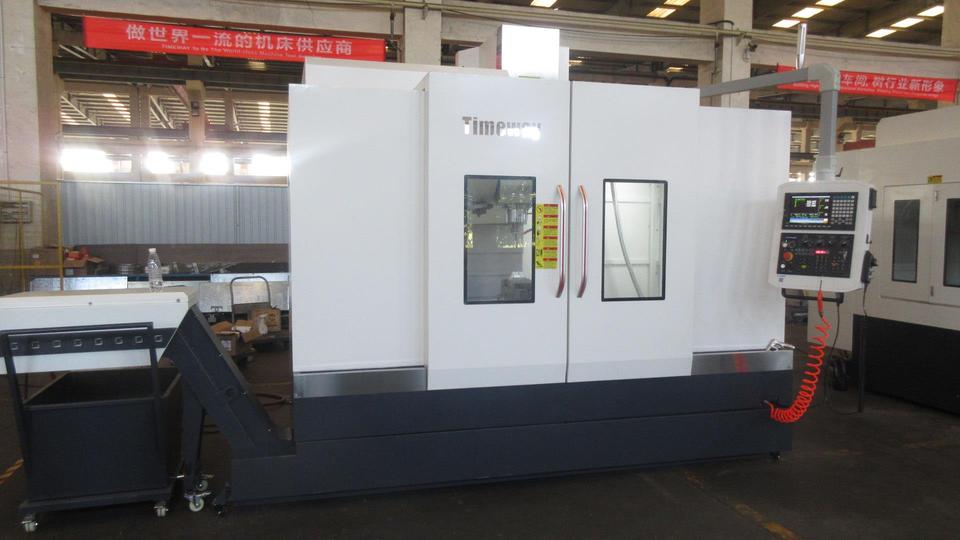
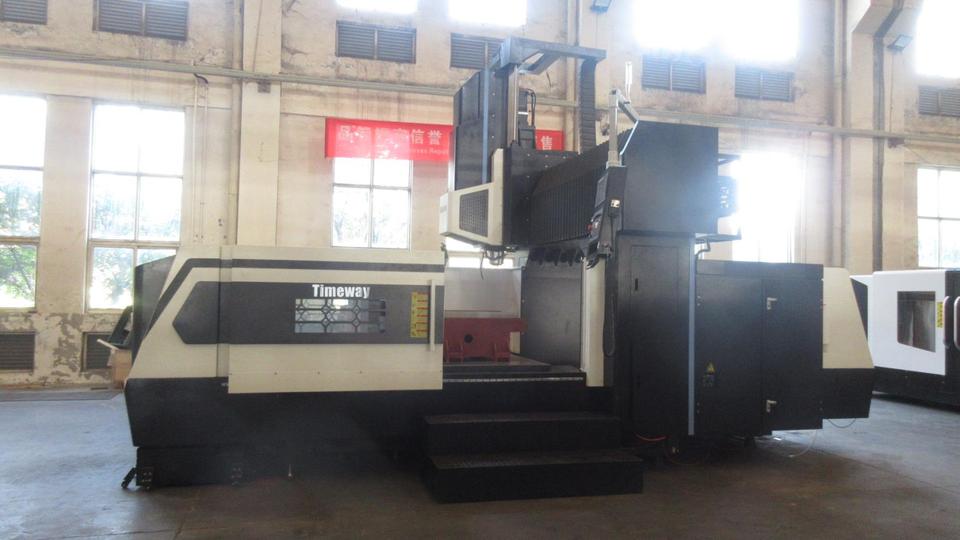
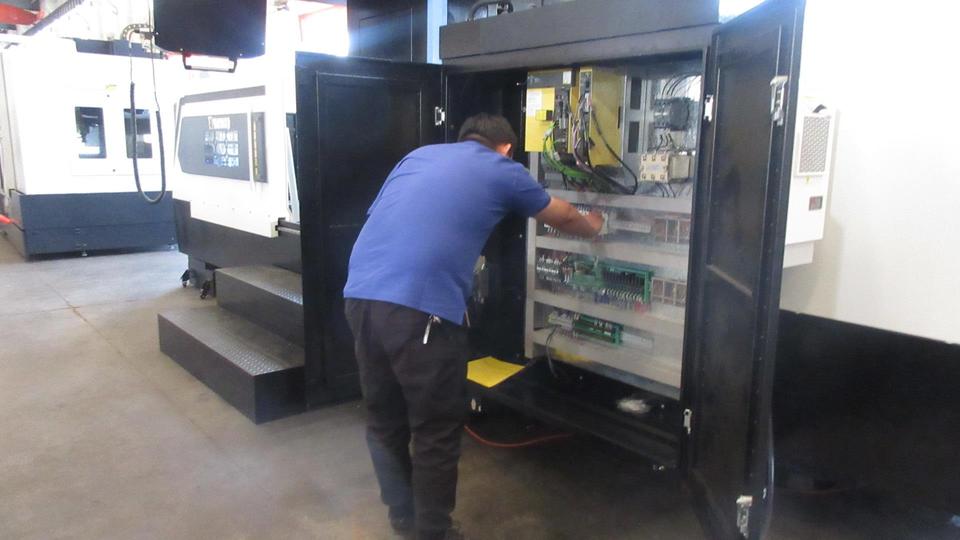
Analyzing the cost-to-performance matrix, material integrity, and logistics speed that define contemporary Chinese workholding manufacturing.
Factories situated in Chinese industrial corridors like Guangzhou benefit from proximal metallurgy suppliers, heat-treatment facilities, and high-precision casting hubs, minimizing upstream component transport costs and processing lag times.
Utilizing high-end alloy steel (such as 20CrMnTi or high-tensile nodular cast iron), Chinese manufacturers apply gas carburizing and cryogenic hardening treatments to achieve HRC 58-62 surface hardness, ensuring wear protection and internal toughness.
Leading factories verify rotational chuck integrity with computerized dynamic balancing up to 8000+ RPM to eliminate centrifugal runout. Machine vises undergo mechanical testing to keep jaw deflection under 0.01 mm at maximum clamping loads.
By coordinating production at their central facility in Guangzhou, China, Guangzhou DSCUT CNC Co., Ltd. integrates research and development, production, sales, and after-sales service to deliver advanced machining solutions. This centralized structure guarantees that both individual clamping components and heavy-duty turning and milling centers maintain absolute quality control and structural synergy.
Where micro-precision meets structural durability: how dynamic clamping systems perform under challenging operational environments.
Clamping demands vary extensively between manufacturing sectors. Selecting the proper workholding system is critical to prevent part deformation, dimensional errors, and scrap rates:
Aerospace structures often require machining complex, thin-walled titanium or aluminum alloy components. Standard heavy clamping force can distort these pieces. Manufacturers utilize hydraulic or pneumatic chucks with fine pressure adjustment valves and custom-shaped soft jaws to disperse clamping stress evenly, preventing elastic deformation during milling cycles.
In high-volume automotive manufacturing (e.g., driveshafts, brake rotors, and gear blanks), cycle speed is critical. Hydraulic 3-jaw self-centering power chucks with integrated stroke monitoring are standard. These systems operate in automated robotic loading cells, providing strong, reliable clamping forces that resist centrifugal drop-offs at high rotational speeds.
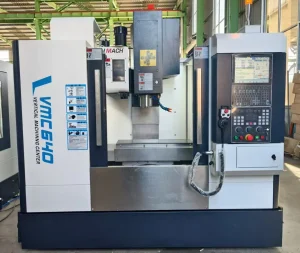
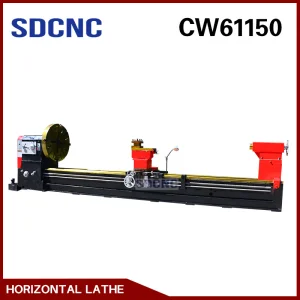
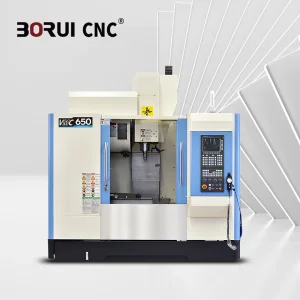
Heavy-duty machines like the CW61150 Heavy Duty Lathe or VMC850 Vertical Machining Center process large iron castings and steel blocks. These setups require large mechanical or hydraulic modular vises with high clamping capacities and anti-lifting jaws to prevent the workpiece from lifting or vibrating under heavy face milling cuts.
A professional B2B evaluation model for checking supply chain capabilities, accuracy standards, and engineering support.
When searching for workholding suppliers, B2B procurement officers should audit vendors against these four primary criteria:
Confirm the supplier provides inspection sheets showing TIR (Total Indicator Reading). High-precision chucks must display jaw runout of less than 0.02 mm, and precision vises must have jaw parallelism and squareness within 0.01 mm per 100 mm.
Require detailed mill test certificates showing the raw steel alloy chemistry. Request verification of the case hardening depths and surface hardness profiles (typically induction hardened to HRC 58-62 on sliding guide tracks and jaw teeth).
Verify if the supplier offers modular, quick-change chuck jaw designs or custom vise jaw configurations. Partners like DSCUT CNC can help adapt the workholding interface directly to the spindle nose or machine bed configurations.
Key developments shaping the next generation of precision machine clamping and automation integration.
Industrial manufacturing is evolving toward automated, low-human-intervention setups. This shift is driving several major trends in workholding design:
Modern smart chucks and vises integrate wireless strain gauges, pressure sensors, and temperature probes. These electronics transmit real-time clamping data to the CNC control unit. If a workpiece slips, the clamping pressure drops, or thermal expansion threatens tolerances, the system automatically halts the machine cycle, preventing part damage and tool breakage.
To maximize spindle uptime, factories are shifting from manual setups to modular zero-point pneumatic and hydraulic baseplates. This allows operators to align workpieces off-machine on dedicated pallets, loading them into the machine tool in seconds with repeat positioning accuracies under 0.002 mm, dramatically reducing changeover times.
Environmental standards are pushing suppliers to design chucks and vises that require less grease and oil, preventing coolant contamination. Advanced coatings, such as diamond-like carbon (DLC) and self-lubricating polymer seals, are increasingly used on sliding guideways to prolong maintenance intervals and protect the environment.
Technical details and practical advice to help optimize your machine tool workholding setups.
Manual chucks rely on operator torque via a chuck key, suitable for low-volume toolrooms. Hydraulic chucks deliver high clamping forces for heavy turning but require hydraulic power units. Pneumatic chucks offer faster cycles and adjustable pressure, making them suitable for thin-walled parts and robotic loading.
Runout causes the center axis of the workpiece to mismatch the spindle axis, resulting in concentricity errors. Excessive runout leads to roundness deviation, uneven cutting depth, and premature cutting tool wear due to interrupted cuts.
Standard chucks in high-speed, continuous use should be greased once per shift. Insufficient lubrication can reduce clamping force by up to 50% due to friction loss on the internal master jaw guideways.
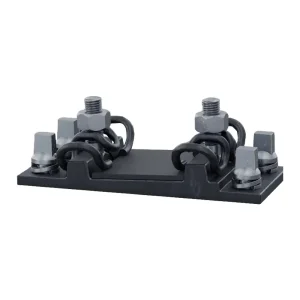
Anti-jaw lift mechanisms pull the moveable jaw downward at an angle as it tightens forward. This prevents the jaw from tilting upward under load, keeping the workpiece flat against the vise bed.
Hard jaws are typically made from carburized steel alloys like 20CrMnTi to resist wear. Soft jaws are made from structural mild steel (like 1045) or high-strength aluminum, designed to be turned or machined to match the specific shape of the workpiece.
DSCUT CNC's engineering team works directly with customers to evaluate part drawings. They configure and deliver machines pre-commissioned with customized chucks, specialized jaws, and dedicated fixture beds tailored to specific production line requirements.
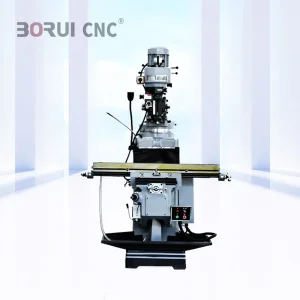
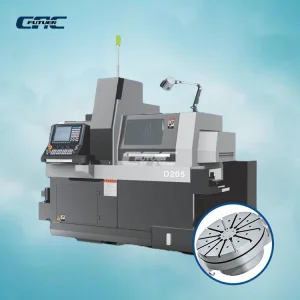
Explore additional industrial machining systems, including turret mills, Swiss-type turners, high-rigidity universal lathes, and 5-axis vertical machining centers.
 DSCUT CNC