DSCUT CNC

1 / 4
| Model NO. | IF3000 |
| Type | Bearing |
| Application | Tunnel Boring Machine |
| Certification | CE, ISO9001: 2000 |
| Condition | New |
| Weight | 0.8kg |
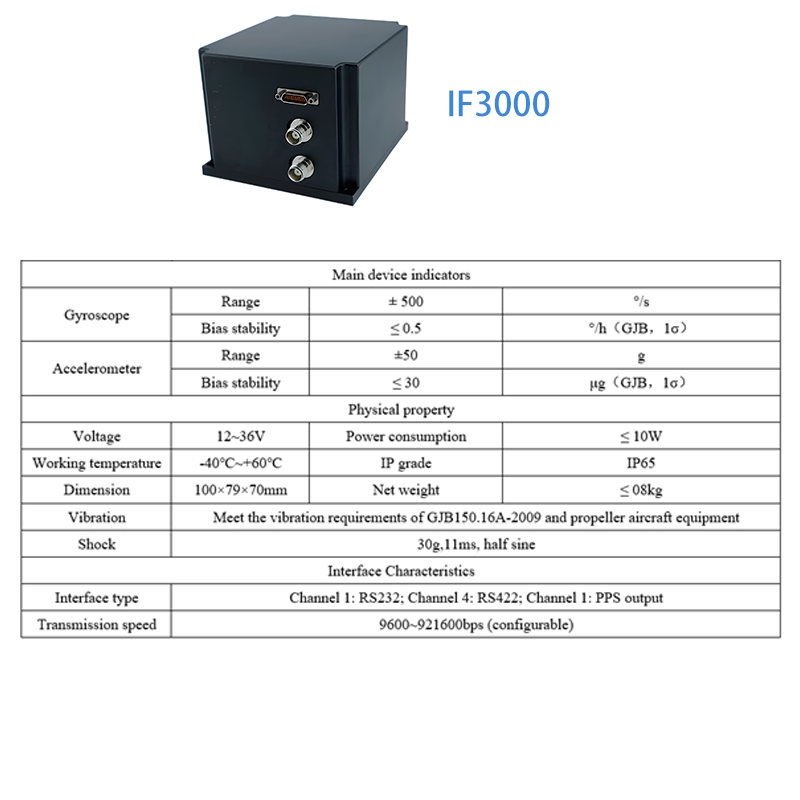
| Supply Voltage | 12~36V |
| Power Consumption | ≤ 12W |
| Transport Package | Box and Sponge |
| Specification | 33*27*8mm |
| HS Code | 9031809090 |
| Production Capacity | 1000/Month |
| Package Size | 50.00cm * 40.00cm * 40.00cm |
| Package Gross Weight | 30.000kg |
Our inertial sensors are known for their high precision, long life and reliability, and are widely used in a variety of industries such as aerospace, automobiles, robotics, and consumer electronics. Strict production and factory inspection processes ensure that each sensor can meet the high requirements of the industry. We provide customized solutions to meet customer-specific needs and help technological innovation in various industries.



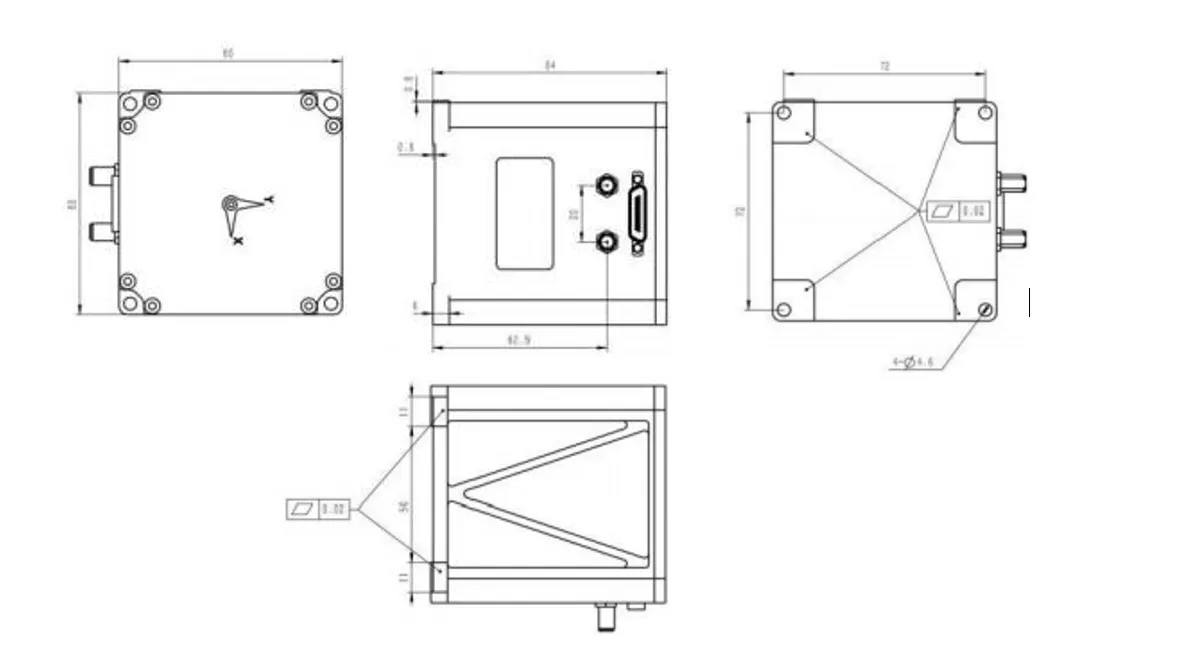
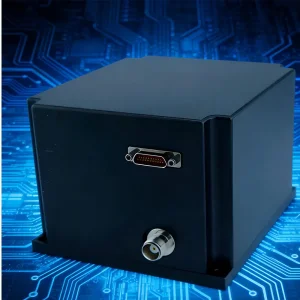
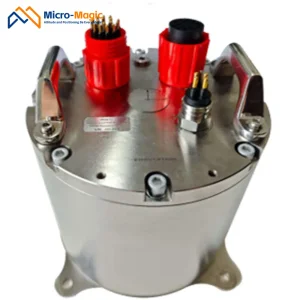
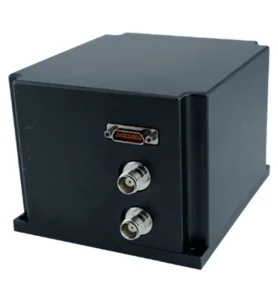
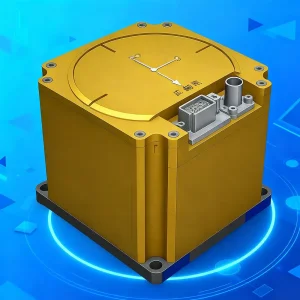
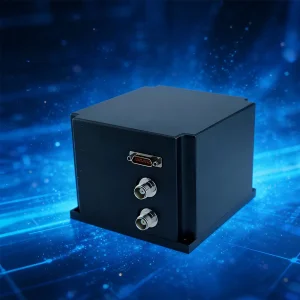
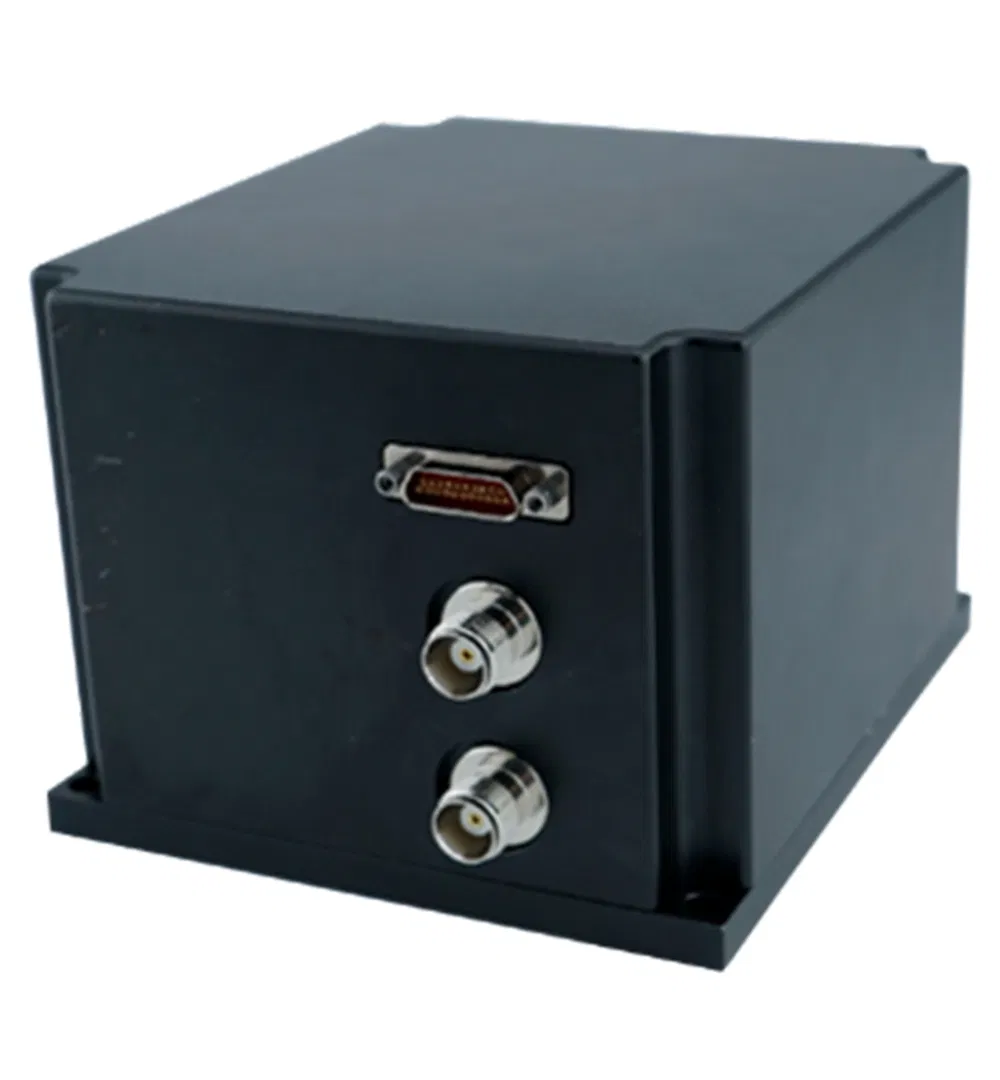
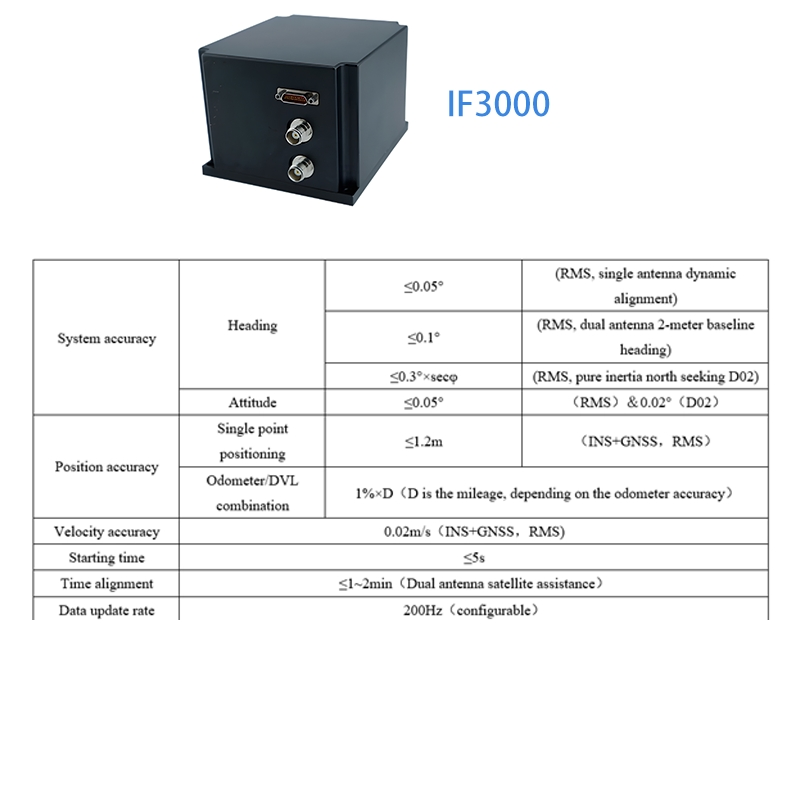
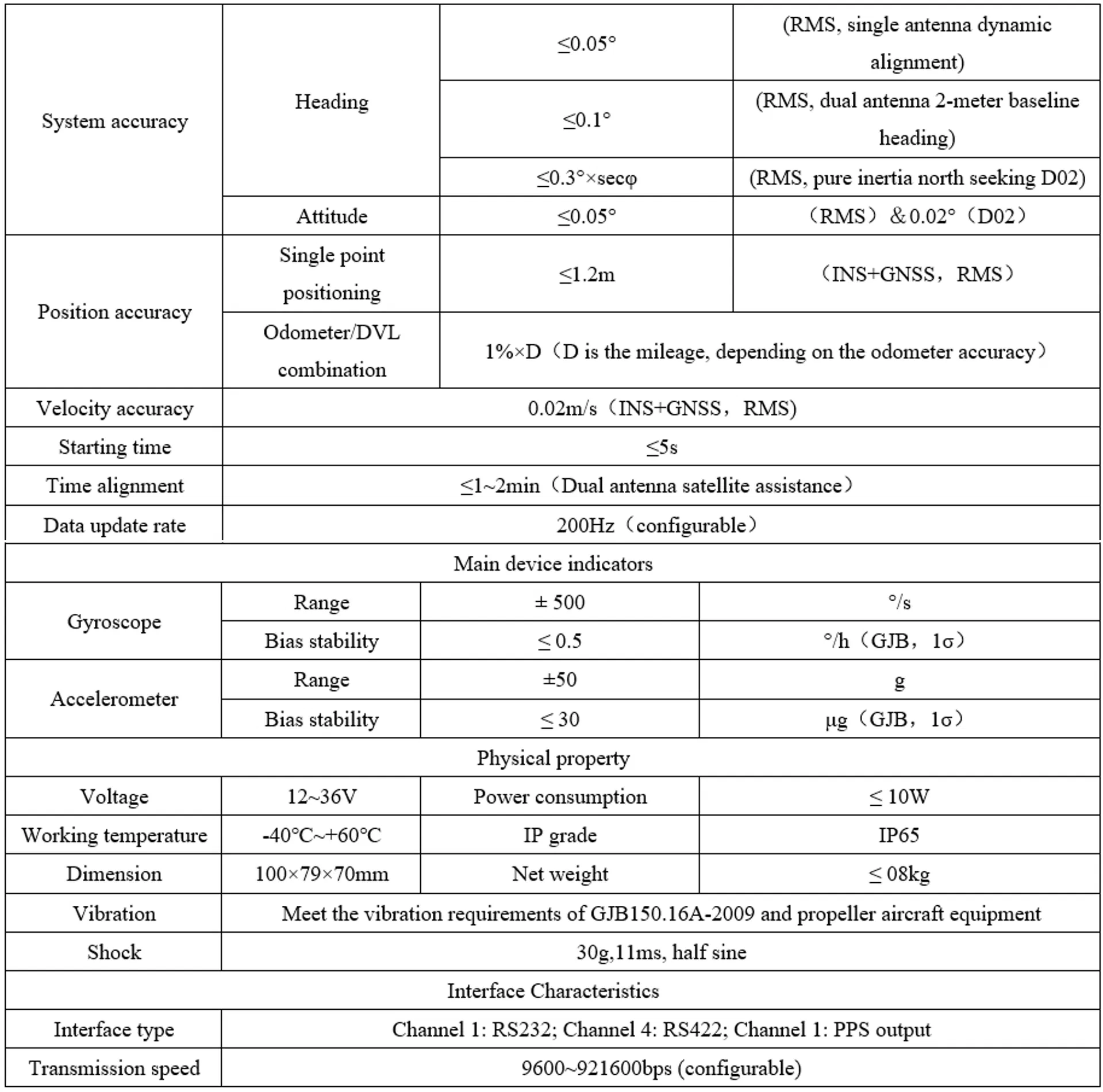
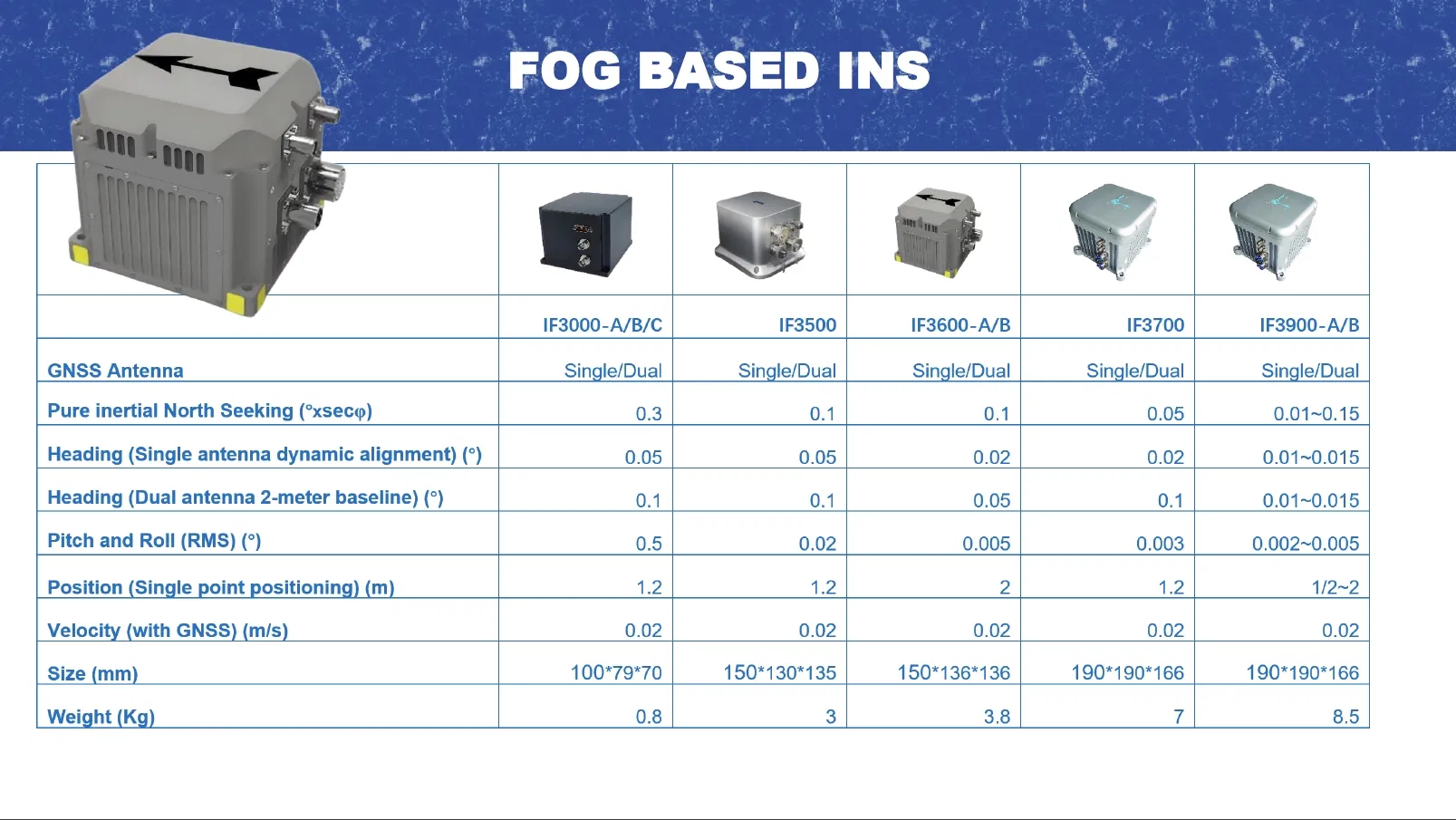
IF3000 is a miniaturized fiber optic inertial navigation system with a volume of only 80*80*84mm and a weight of only 0.8kg. The system consists of a three-axis integrated fiber optic gyroscope, quartz accelerometer, and a multi frequency satellite module for the entire system.
This product is equipped with a new navigation fusion algorithm, which can continuously output stable and reliable navigation information even in the event of satellite loss of lock. The product undergoes temperature compensation and calibration to ensure system accuracy throughout the entire temperature range.
This product has rich interfaces and can be connected to an external odometer DVL and other sensors. It has good scalability and can customize various statement protocols. The product has a small size and high precision, making it particularly suitable for navigation and control needs of various unmanned equipment such as drones, AUVs, ROVs, etc.
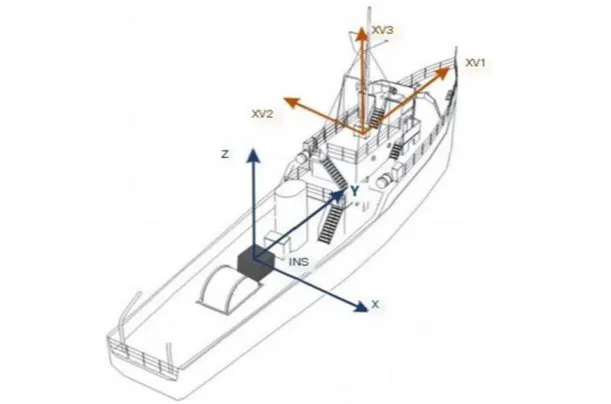
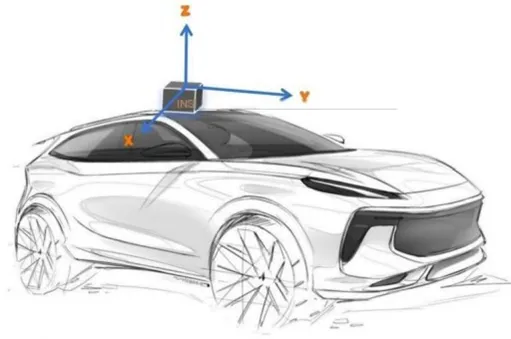
Inertial navigation should be installed as close to the center of the ship as possible. To avoid errors caused by GNSS positioning antennas swaying, the positioning antenna should be as close as possible to the system.
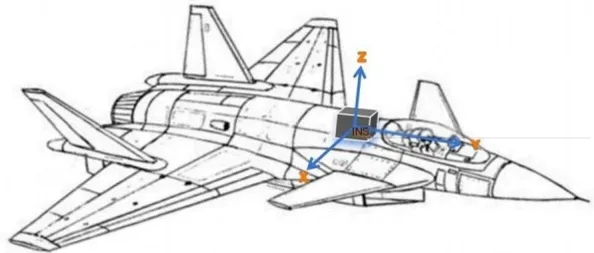
The XYZ coordinate system should be aligned with the carrier. The positive Y-axis must match the forward direction of the carrier for accurate mileage calculation during forward or backward movement.
System should be firmly connected to the aircraft's center. It ensures precision in pitch, roll, and azimuth angle changes for sensitive carrier movements.