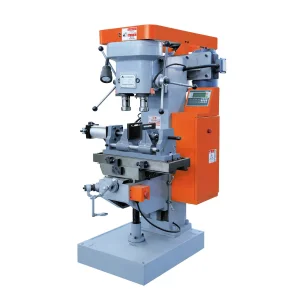
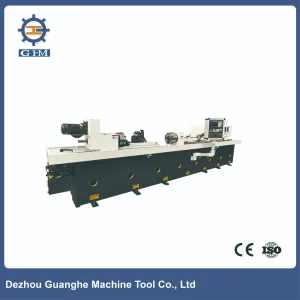
Explore our state-of-the-art metal cutting, turning, grinding, and clamping mechanisms designed to build precision components for industrial orbital sanding machinery.
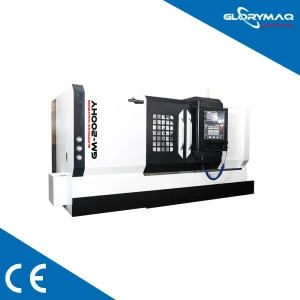
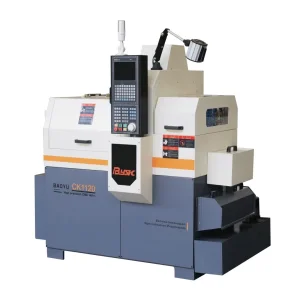
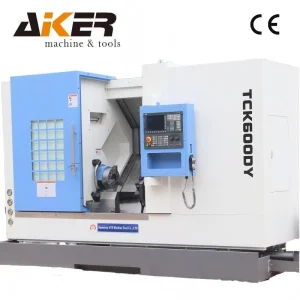
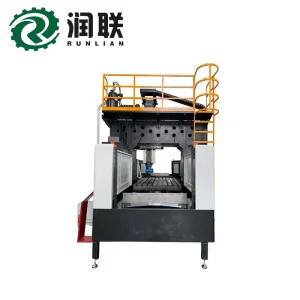
Guangzhou DSCUT CNC Co., Ltd. is an industry-leading manufacturer specializing in CNC machining equipment, encompassing milling machines, turning machines, grinding machines, and boring machines. Headquartered in Guangzhou, China, our company integrates cutting-edge research and development, high-end automated production lines, global logistics coordination, and professional after-sales support to deliver advanced surface finishing and machining systems to worldwide industrial markets.
With our modern facilities and a highly technical engineering team, DSCUT CNC stands at the intersection of high-precision dynamic balancing and surface optimization. Leveraging our expertise in micro-tolerance mechanical tooling, we manufacture elite-class industrial pneumatic and electric random orbital sanders. These surface-finishing instruments are structurally engineered to deliver swirl-free, uniform finishes across composite materials, metals, carbon fiber, and wood. By applying precision CNC machining technology to our sanders' internal components—such as the balance rotors, counterweights, and eccentric shafts—we eliminate the vibrations that compromise both surface quality and operator health.
Guided by our core principles of quality, innovation, and client satisfaction, we support small-scale specialty workshops and multi-tiered automated factories. Our systems comply with stringent international safety and performance criteria, ensuring operational durability and elevated throughput under high-duty cycle configurations.
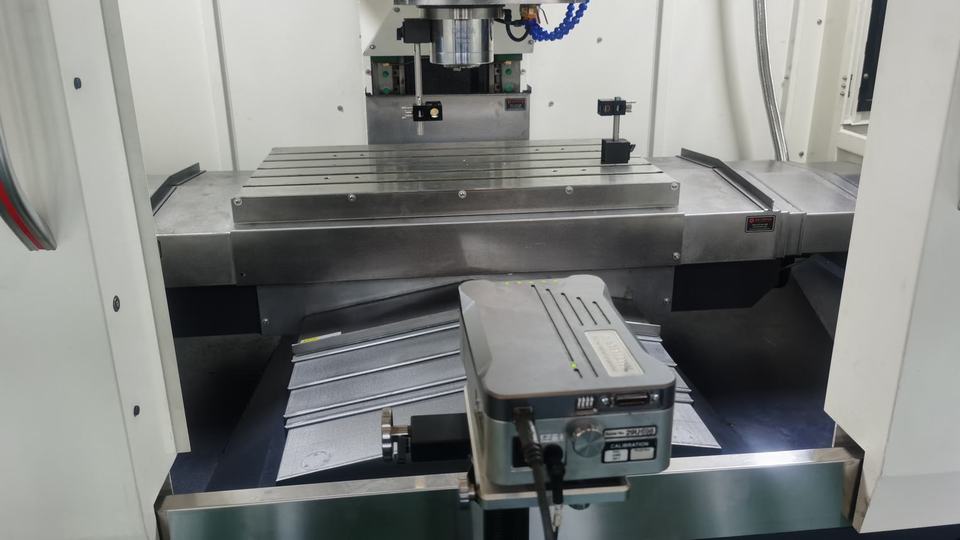
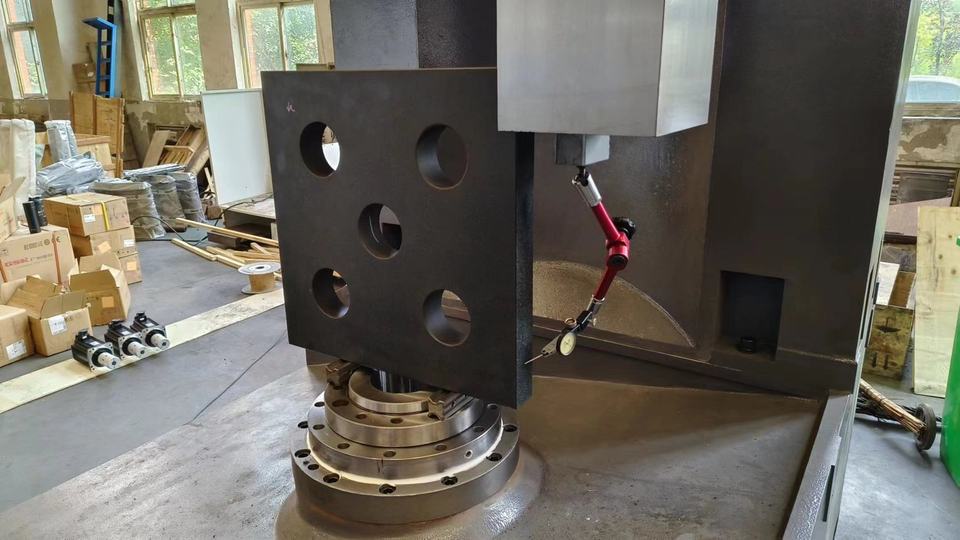
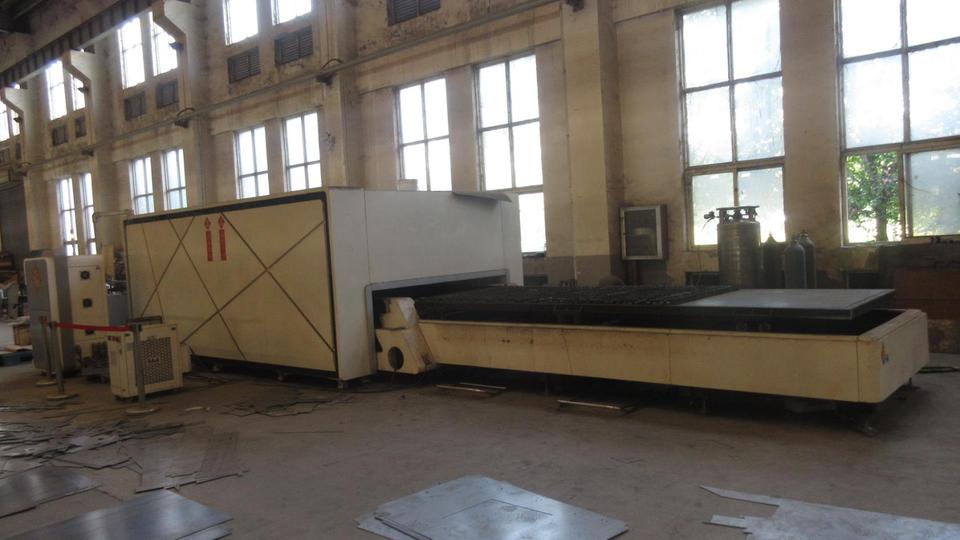
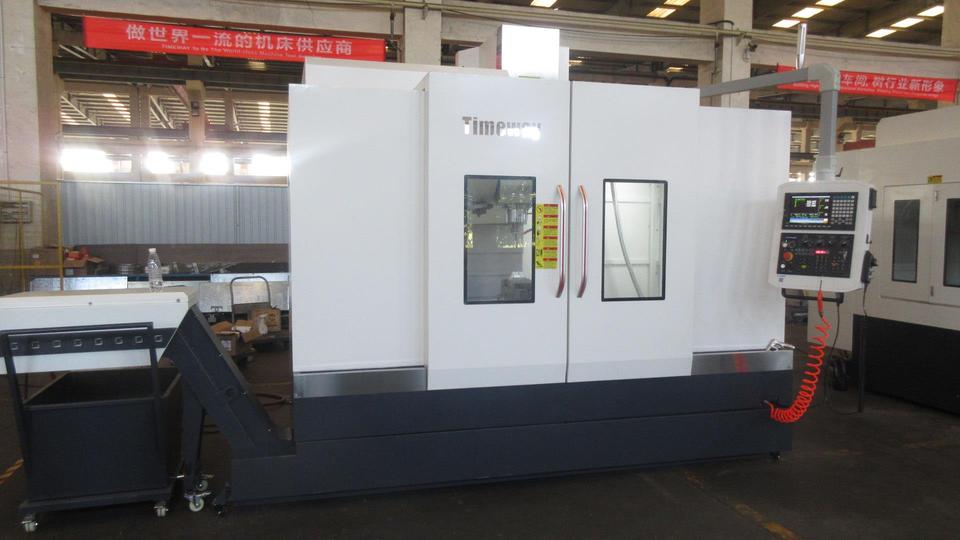
Understanding how random orbital movement, dynamic counterbalance, and thermal management determine ultimate surface roughness (Ra) values.
By blending rotational drive with orbital oscillation, our dual-action mechanics prevent tracking patterns or frictional overheating. The random pathway reduces heat buildup on thermoplastic components and delicate composite substrates, ensuring a uniform finish.
Utilizing high-precision CNC-machined alloy counterweights, our orbital sanders operate with minimal kinetic displacement. Maintaining vibration levels below 1.5 m/s² limits operator fatigue, enabling continuous multi-shift production and compliance with workplace safety standards.
Integrated multi-hole venting structures evacuate dust particles straight from the work surface. By channeling dust away immediately, the backing pad avoids loading and abrasive piling. This increases abrasive disc lifespans by up to 35% and maintains clean breathable air.
Choosing the correct stroke size determines finishing efficiency. Our catalog includes machines calibrated to distinct stroke sizes to match specific target roughness parameters:
Modern production facilities choose their industrial sanding platforms based on utility profiles, energy footprints, and maintenance access. Below is our comparative matrix outlining the trade-offs between pneumatic turbine sanders and digital brushless DC systems.
| Performance Metrics | DSCUT Pneumatic Sanders (Series-P) | DSCUT Brushless Electric Sanders (Series-E) | Application Impact |
|---|---|---|---|
| Power Source | Compressed Air (6.2 Bar / 90 PSI) | 110V - 240V AC Domestic/Industrial Grid | Site power flexibility and system installation overheads. |
| Motor Tech | Precision-ground rotor blades & air turbines | Brushless DC (BLDC) Digital Motor | Electric options remove thermal friction and brush replacement. |
| Vibration Coefficient | < 1.8 m/s² (Weighted RMS) | < 1.3 m/s² (Digital Speed Control) | Reduced vibration improves operator safety and surface consistency. |
| Operational Weight | 0.78 kg - 0.95 kg (Ultra lightweight) | 1.15 kg - 1.30 kg (Low profile design) | Lightweight pneumatic sanders minimize fatigue on vertical surfaces. |
| Energy Efficiency | Low (High air compressor power requirement) | High (Up to 80% direct power conversion) | Brushless motors lower facility operating costs. |
| Dust-Extraction Mode | Central Vacuum / Self-Generated Vacuum | Multi-Hole Central Exhaust System | Keeps the workspace clean and compliant with environmental standards. |
How our advanced orbital sanding systems serve key production sectors worldwide.
In automotive assembly lines and commercial body shops, achieving paint-ready substrates requires strict surface consistency. Our 2.5mm and 5.0mm random orbital sanders smooth out primer coats, clear coats, and fillers without leaving visible scratch patterns. They prepare metal panels and plastic bumpers for flawless paint adhesion.
Sanding advanced carbon fiber, Kevlar, and epoxy resins demands precise heat management. Standard sanders can cause thermal stress, leading to microscopic cracking in structural composites. DSCUT's digital speed-stabilized brushless sanders prevent hot spots, maintaining structural integrity across curved turbine blades and aircraft fuselage elements.
Yacht builders and marine repair facilities deal with tough gelcoats, marine epoxies, and anti-fouling paints. Our heavy-duty 8.0mm pneumatic orbital sanders provide the high torque and speed needed to flatten large hulls. They cut down sanding times while providing a clean surface for protective marine laminations.
How local material sourcing and integrated manufacturing systems ensure supply chain stability.
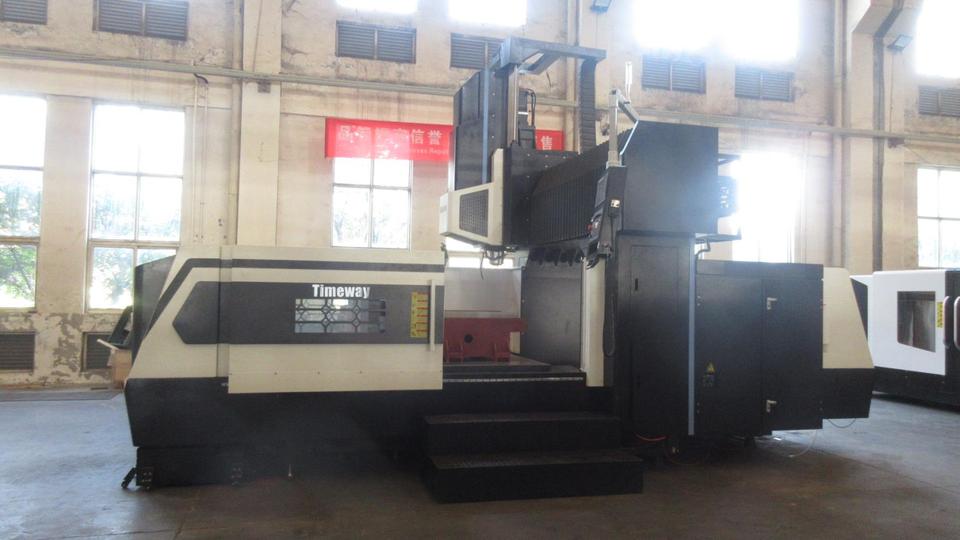
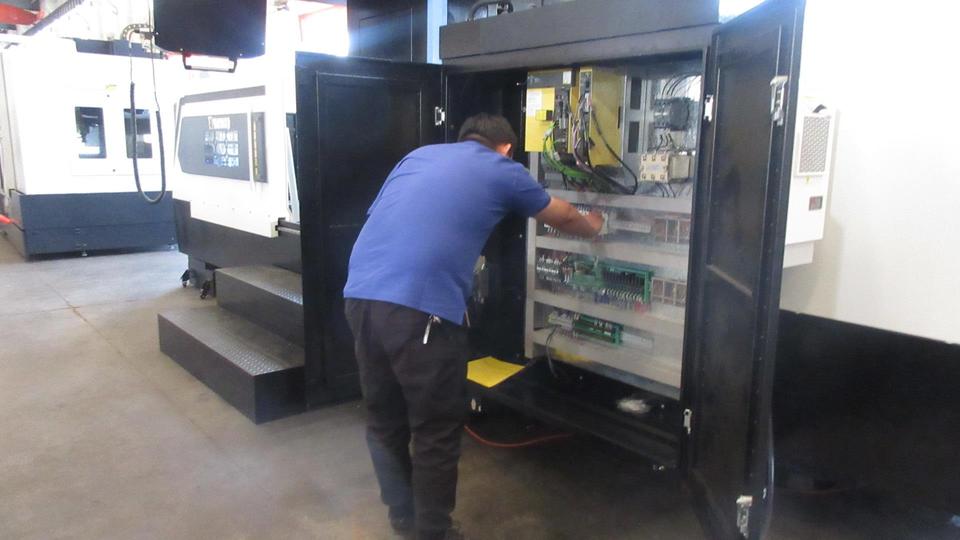
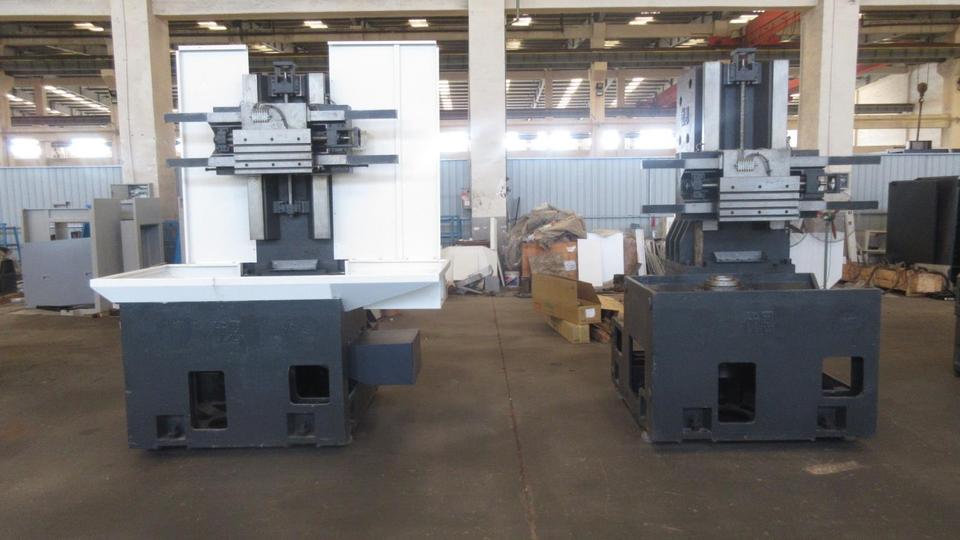
Operating from Guangzhou's industrial core allows DSCUT CNC to benefit from a complete, vertically integrated production ecosystem. We manage the entire manufacturing process in-house—from machining aluminum alloy forgings and dynamic balance testing to winding brushless DC motors. This direct control minimizes reliance on third-party suppliers and keeps production schedules on track.
Our raw material pipeline features reliable, local access to premium grade steels, neodymium rare-earth magnets for electric motors, and wear-resistant polyurethane components for backing pads. This robust supply chain reduces logistical delay risks and insulates our operations from global raw material cost fluctuations.
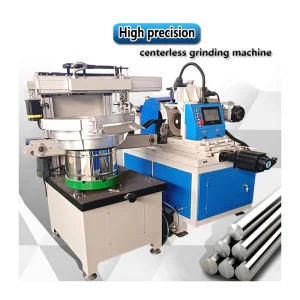
By using our own precision CNC Swiss-type lathes, multi-axis machining centers, and centerless grinding units, we hold internal sander tolerances to the micron level. Our manufacturing system allows us to implement product design changes quickly, scale production volumes to meet peak demands, and maintain competitive pricing without compromising quality.
Key design trends and engineering advancements shaping the next generation of orbital sanders.
We are integrating micro-sensors into our brushless sander lines to monitor vibration levels, motor heat, and load pressure in real time. This telemetry feeds into centralized plant networks, allowing maintenance teams to address wear before it leads to tool failures or surface defects.
As automated production lines expand, we design specialized flanged sanding modules for robotic arms. These modules feature automatic weight-compensation and fast-change abrasive disc changers, designed for lights-out automotive and aerospace manufacturing environments.
We are continuously developing advanced active carbon filtration systems and low-loss suction paths. These designs reduce dust migration to near-zero levels, keeping work areas safe and lowering the environmental footprint of large-scale finishing operations.
Meeting international certifications and providing reliable field support for global industrial operations.
DSCUT CNC equipment and industrial sanders meet strict global safety standards. Our tools carry full CE marking for European markets and comply with FCC/UL guidelines for North American distribution. We build and test to ISO 9001 and ISO 14001 specifications, ensuring consistent manufacturing quality and environmental responsibility.
Additionally, our electric sanders meet RoHS and REACH criteria. We ensure that our materials and electronic components are free of hazardous substances, supporting safe recycling and disposal.
We provide comprehensive OEM and ODM support for global tool distributors and private label brands. From customizing housing colors and designing packaging to modifying motor speeds and orbit configurations, our design team adapts our platforms to your market requirements.
Our global services include detailed technical documentation, exploded parts schematics, and wear-component kits. This support helps your service networks maintain high uptime for your end customers.
Expert technical answers to common questions about industrial orbital sanders and manufacturing integration.
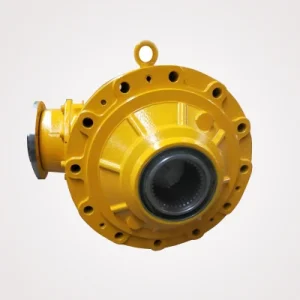
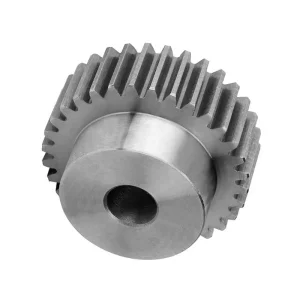
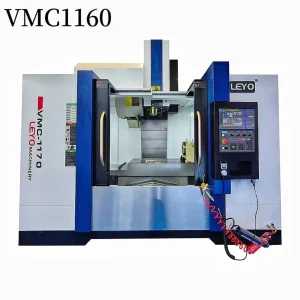
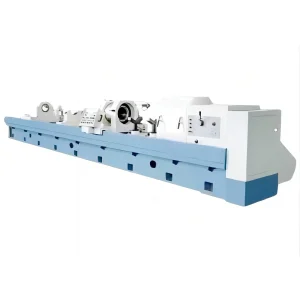
High-torque gear assemblies, vertical machining centers, and heavy-duty deep hole boring equipment for industrial system manufacturing.
 DSCUT CNC