Direct supply from China's leading smart manufacturing facility, engineered for micro-level tolerances and rapid setup capabilities.
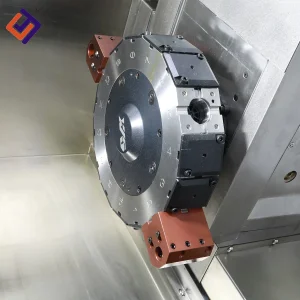
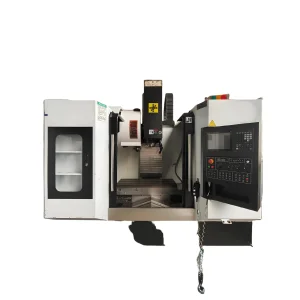
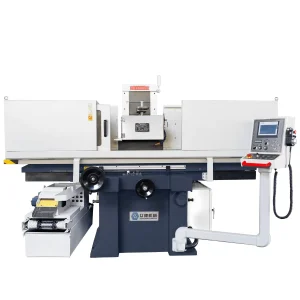
A comprehensive analysis of zero-point positioning, modular workholding efficiency, and modern manufacturing paradigms.
In modern industrial manufacturing, the efficiency of machining centers is no longer determined solely by spindle speeds or tool feed rates. Instead, the ultimate competitive bottleneck lies in setup time reduction and workpiece positioning repeatability. As global markets transition toward High-Mix, Low-Volume (HMLV) production, fixture systems have emerged as the foundational pillar of smart manufacturing. Rigid clamping systems protect structural workpieces from vibrational deflection during high-feed milling, directly impacting dimensional tolerances and surface finishes (Ra value).
Across the aerospace, electric vehicle (EV) automotive, and medical device sectors, the demand for positioning repeatabilities under ±0.002mm has accelerated the transition from dedicated manual fixtures to modular, hydraulic, and zero-point workholding systems. Standardizing the interface between the machine tool table and the fixture plate allows global enterprises to achieve automated setup changes in seconds rather than hours, unlocking true 24/7 "lights-out" manufacturing.
"The integration of Zero-Point Clamping Systems eliminates traditional alignment procedures, reducing machine downtime by up to 90% and establishing the critical link for automated gantry and robotic loading configurations."
China has grown from a manufacturer of simple manual vices to a global hub for sophisticated, high-tech workholding solutions. This transformation is driven by continuous investments in metallurgy, precision CNC grinding, and sub-micron inspection facilities. Leading Chinese fixture system factories, concentrated in advanced industrial clusters like Guangzhou, utilize premium alloy steels (such as 20CrMnTi) treated with advanced multi-stage vacuum heat treatments. This ensures surface hardnesses of HRC 58-62 and core toughness, preventing deformation under long-term cyclic dynamic loads.
Integrating professional engineering, customized R&D, and premium manufacturing standards to supply worldwide industrial hubs.
Guangzhou DSCUT CNC Co., Ltd. is a professional manufacturer specializing in CNC machining equipment, including milling machines, turning machines, grinding machines, and boring machines. Located in Guangzhou, China, the company integrates research and development, production, sales, and after-sales service to deliver advanced machining solutions for global customers.
With a strong technical team and modern production facilities, DSCUT CNC is committed to providing high-precision, high-efficiency, and stable-performance machine tools for a wide range of industries such as automotive, aerospace, mold manufacturing, electronics, and general mechanical processing. Our products are designed to meet the evolving demands of modern manufacturing, supporting both small-scale workshops and large industrial operations.
Guangzhou DSCUT CNC Co., Ltd. continuously invests in innovation and quality control, ensuring that every machine meets strict international standards. By adopting advanced technologies and precision engineering processes, we aim to enhance productivity, reduce operational costs, and improve machining accuracy for our clients. In addition to standard models, we also provide customized CNC solutions tailored to specific production requirements. Our experienced engineers work closely with customers to develop efficient and reliable machining systems. Guided by the principles of quality, innovation, and customer satisfaction, DSCUT CNC is dedicated to becoming a trusted global partner in the CNC machine tool industry, delivering value through reliable equipment and professional service.
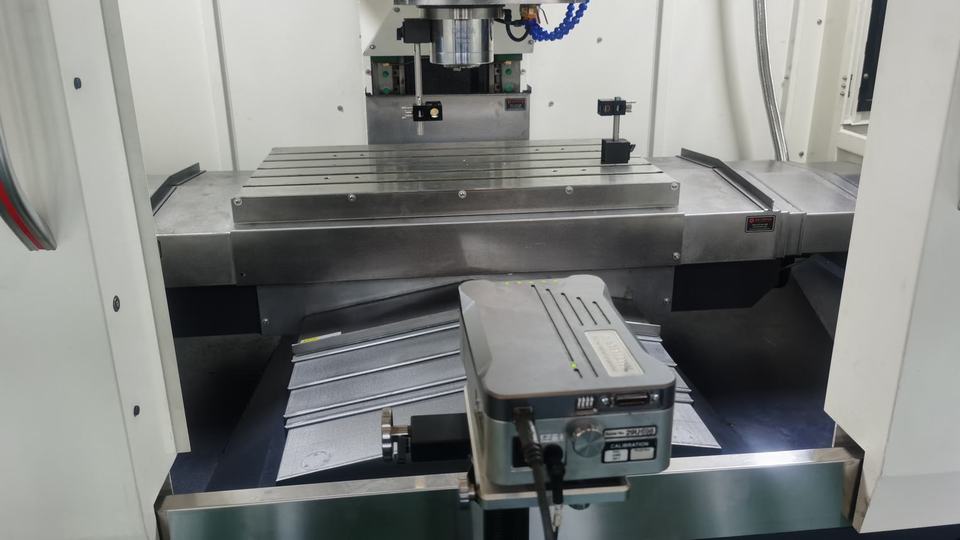
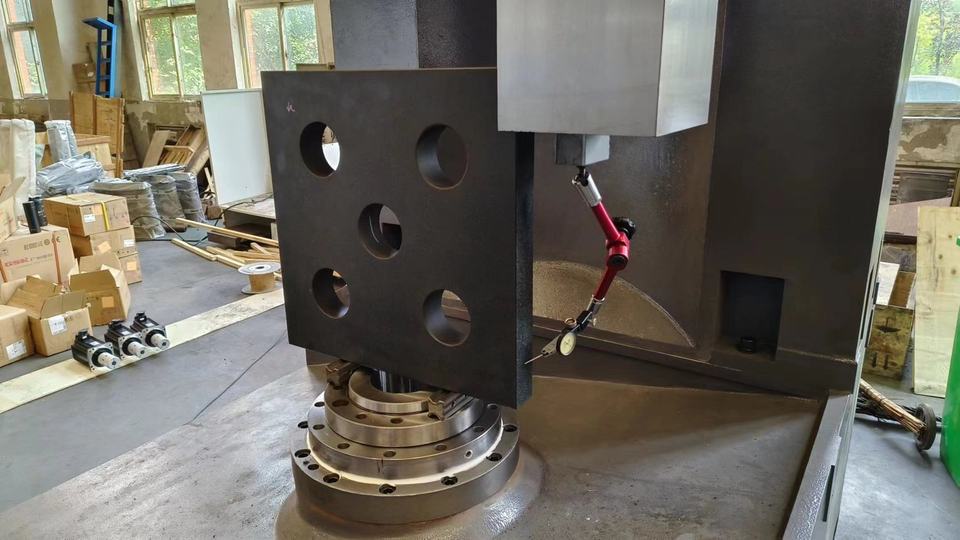
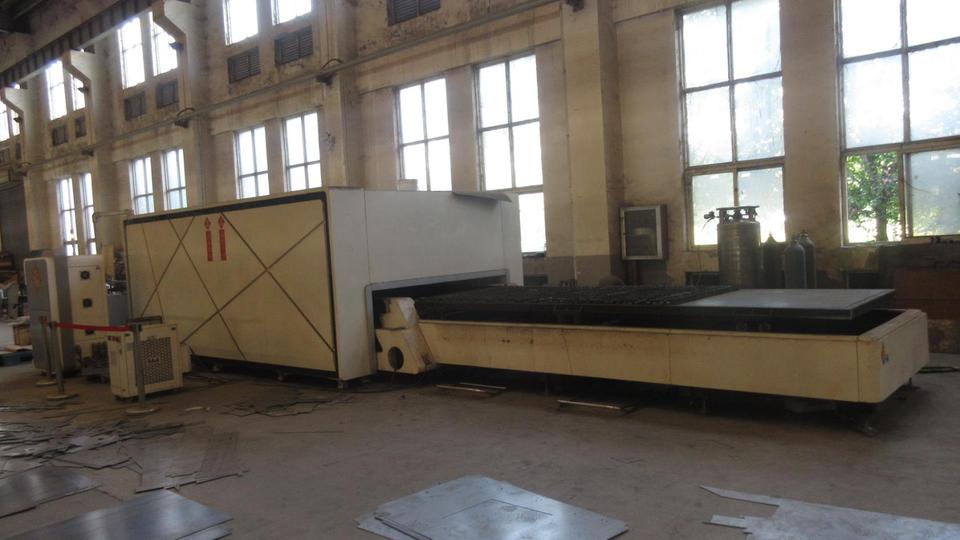
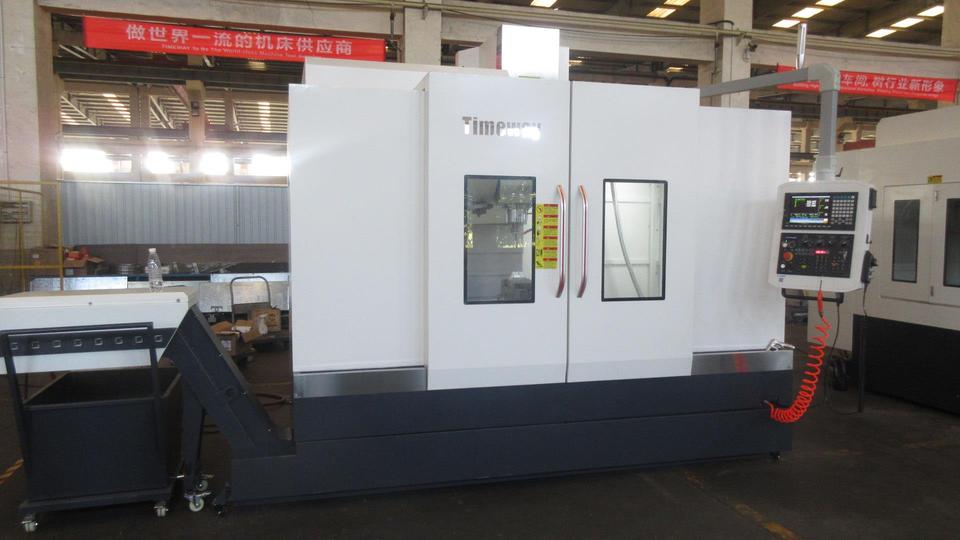
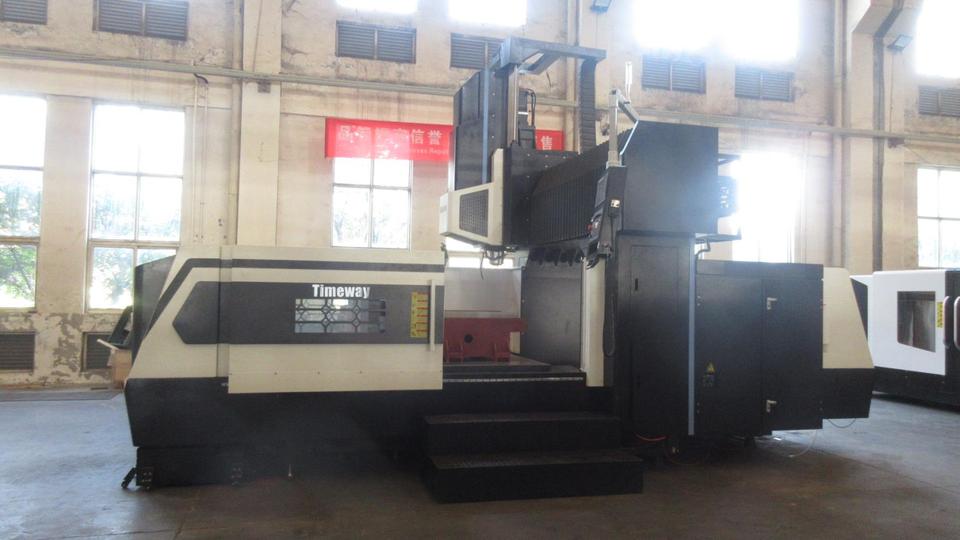
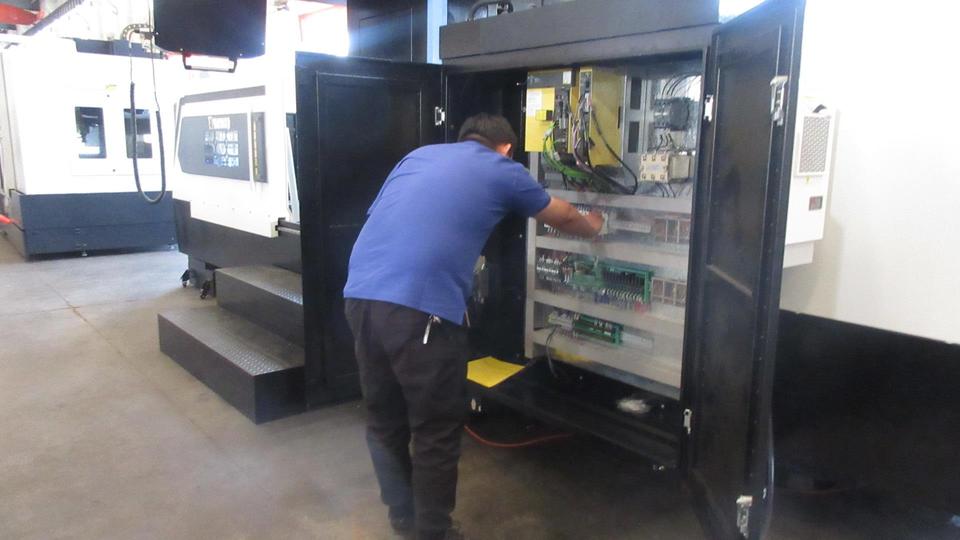
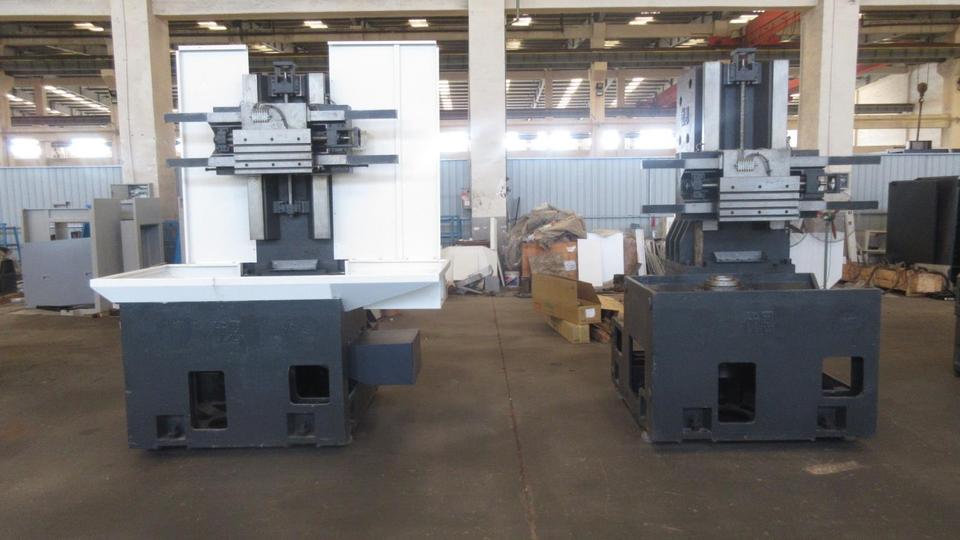
Sourcing from premier Chinese factories like DSCUT CNC provides clear advantages in supply chain agility. Southern China's industrial infrastructure allows raw material processing, heat treatment, precision wire EDM, and sub-micron grinding to take place within a compact geographic radius. This minimizes logistics friction, reducing custom fixture design and manufacturing lead times from months to weeks.
Furthermore, local design teams possess deep knowledge across diverse applications, from complex aerospace turbine blades to high-volume automotive parts. They excel at integrating hydraulic oil channels within fixture plates, optimizing pneumatic blast cleaning systems for zero-point studs, and deploying lightweight aluminum structural components. As a result, global OEMs can acquire custom, production-ready workholding fixtures at a fraction of the cost of European or North American equivalents, without compromising on materials or dimensional tolerances.
The selection of a workholding strategy depends heavily on the specific application scenario. DSCUT CNC works with customers to tailor fixture setups for distinct operating environments:
As the manufacturing sector shifts toward Industry 4.0, fixture systems are evolving from passive mechanical supports into intelligent, sensor-equipped components. Smart Fixturing is a growing industry trend, incorporating wireless pressure transducers, pneumatic sensors, and RFID tags into fixture bodies. These sensors monitor real-time clamping pressures and part seating. If pressure drops below safety margins during high-speed milling, the system communicates with the CNC controller to halt the cycle, preventing part damage or tool breakage.
Additionally, modular zero-point systems are increasingly integrated with automatic cleaning blow-offs and fluid transfer couplings. This allows hydraulic oil and pneumatic air to flow seamlessly through the zero-point chuck into the dynamic fixture plate, enabling automated clamping and unclamping without external hose connections.
Expert answers addressing clamping forces, material selection, custom designs, and logistics parameters.
Our PSC Zero-Point Clamping Systems achieve a positioning repeatability of less than 0.003mm (3 microns). High-precision configurations can achieve sub-2-micron performance. This repeatability is verified using coordinate measuring machines (CMM) and laser interferometers under simulated high-load conditions.
We use high-grade structural tool steels (like 20CrMnTi or SKD11) and premium aircraft-grade aluminum (Al7075-T6) for fixture bodies. Steel components undergo carburizing and quenching to reach a surface hardness of HRC 58-62, providing wear resistance. Aluminum parts are hard-anodized (60-80 microns depth) to prevent chip abrasion and corrosion from coolant.
Yes. Our custom engineering department specializes in designing modular tombstone fixtures, vacuum fixtures for thin-walled aerospace skins, and compact 5-axis self-centering vices. These designs ensure maximum tool clearance, allowing 5-axis machines to reach complex geometries in a single setup.
We use hydraulic force sensors and strain gauges to monitor clamping load retention over 100,000 cycles. For zero-point clamping receivers, mechanical spring force handles the locking function, while pneumatic or hydraulic pressure is used only for release. This mechanical lock ensures parts remain securely clamped even during sudden power or pressure losses.
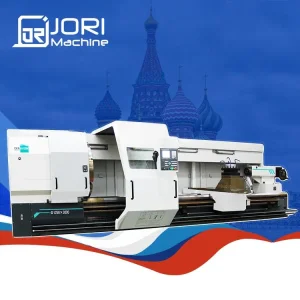
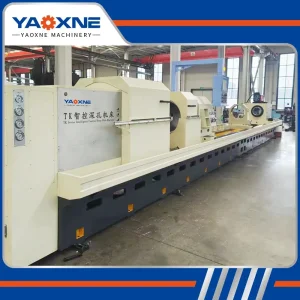
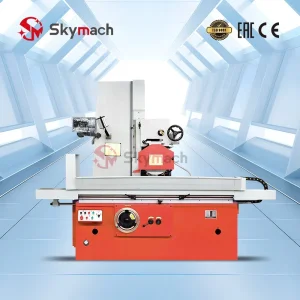
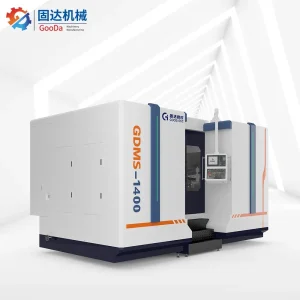
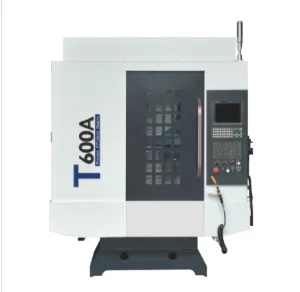
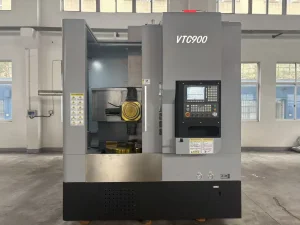
Explore our high-performance turning centers, horizontal multi-axis mills, and heavy grinding machinery engineered for modern manufacturing plants.
 DSCUT CNC