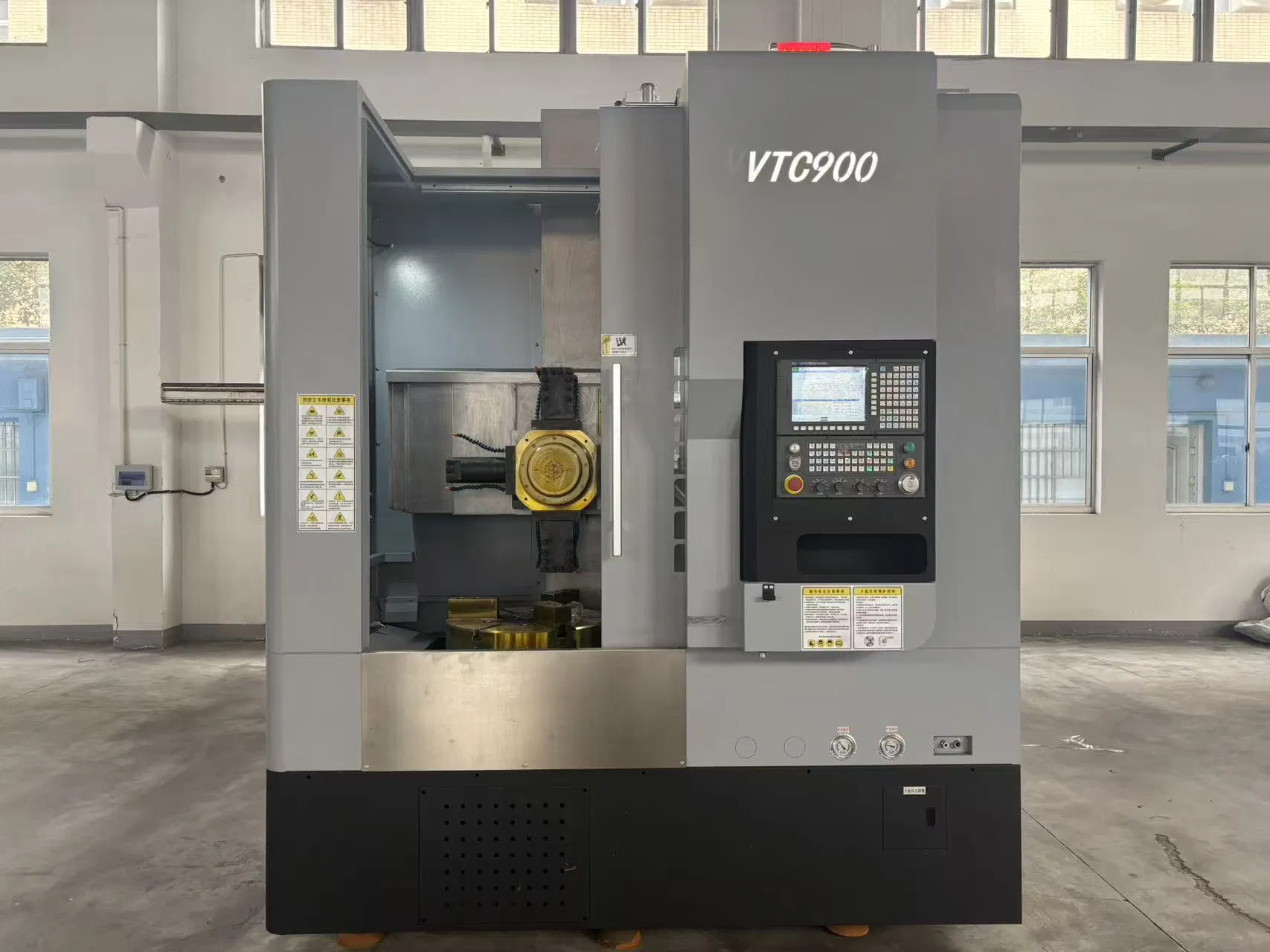
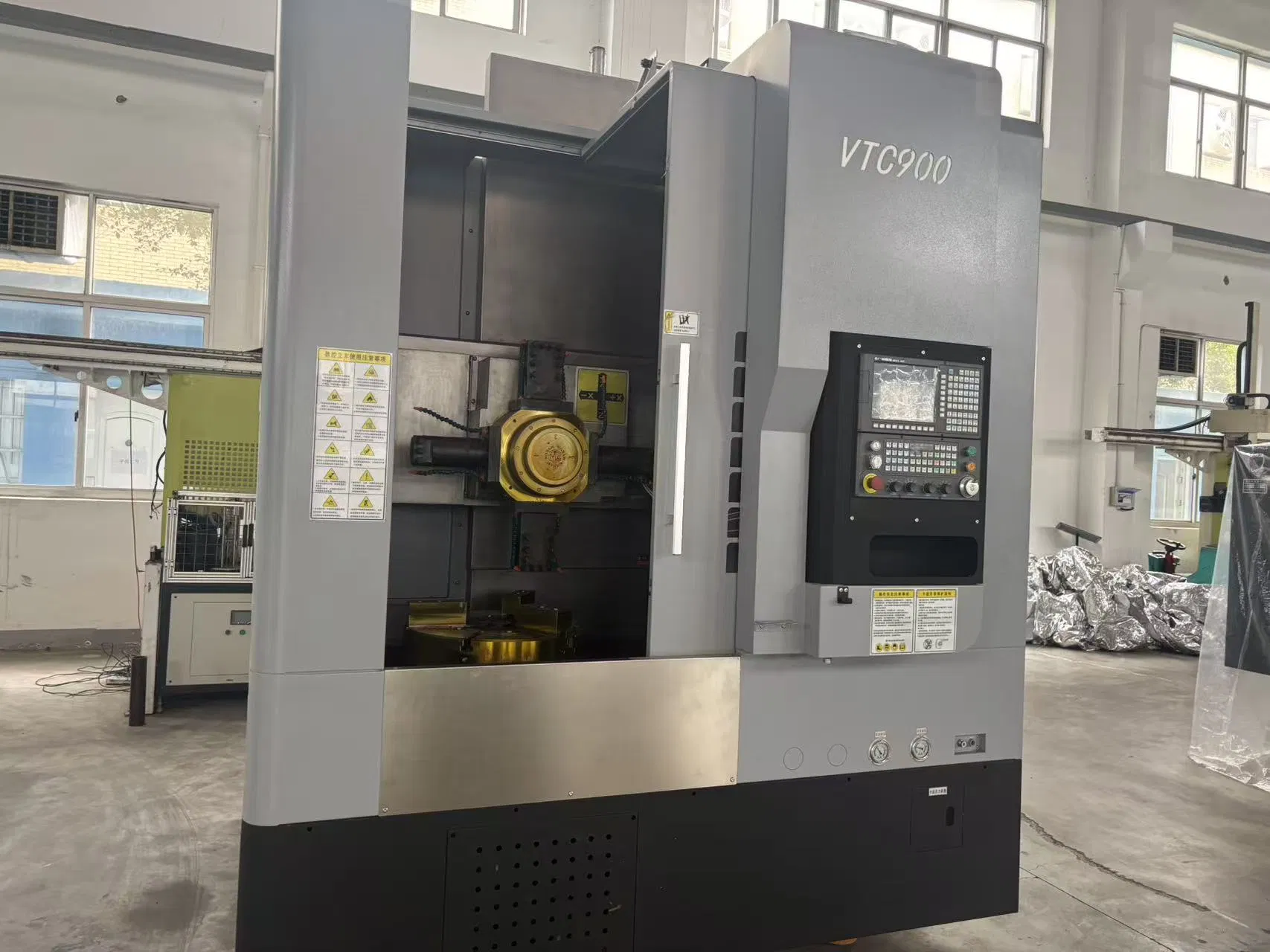
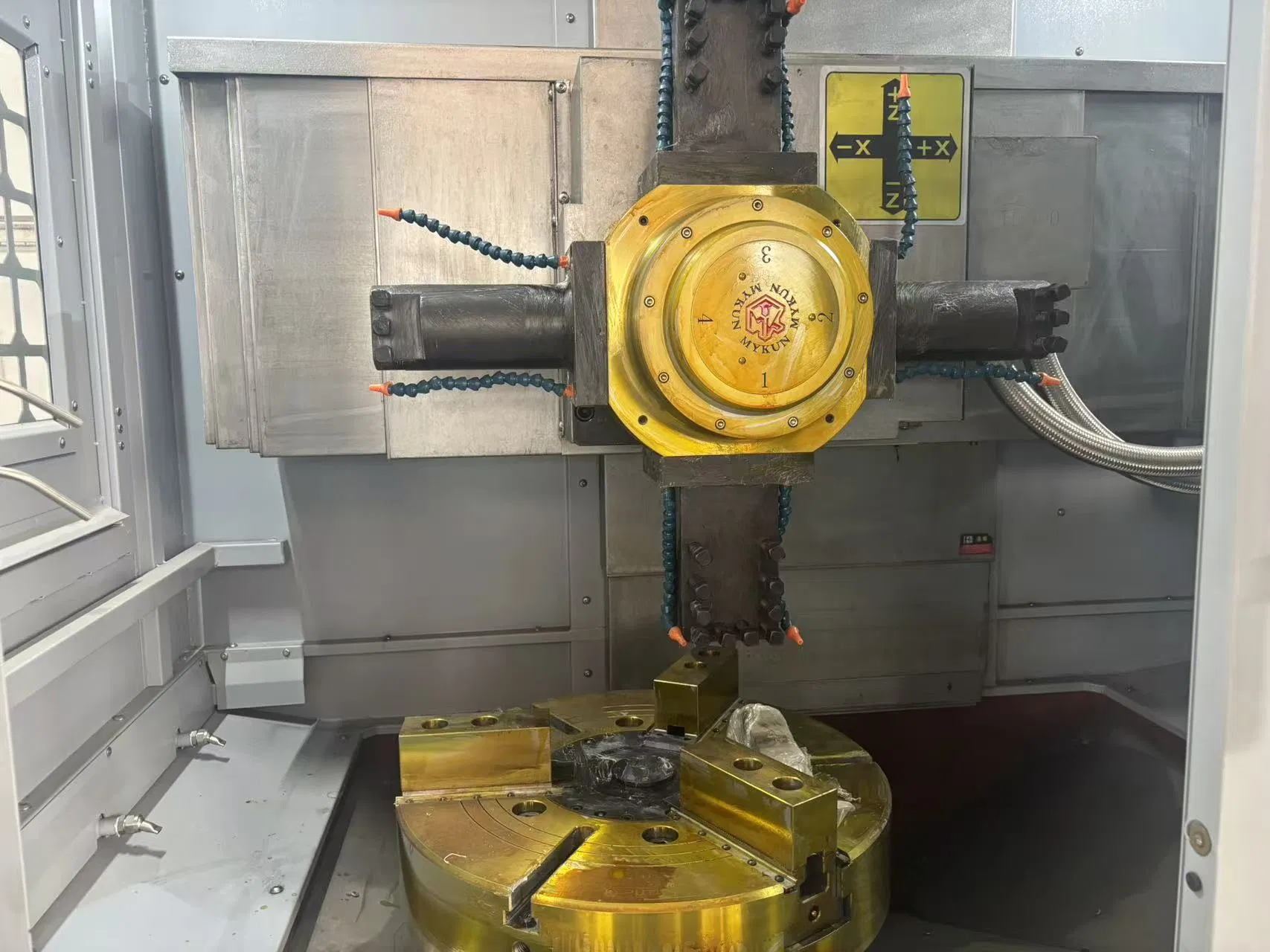
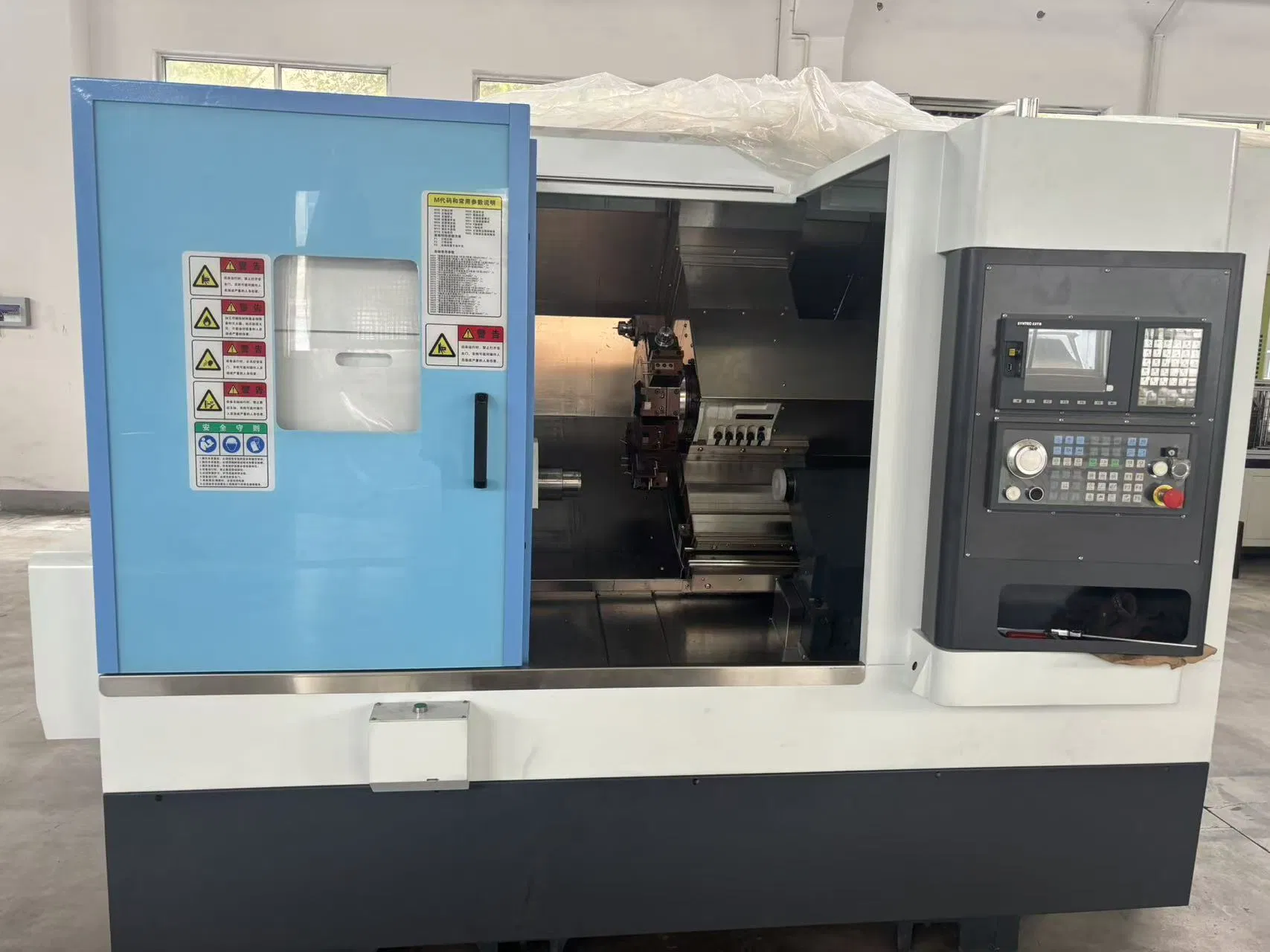
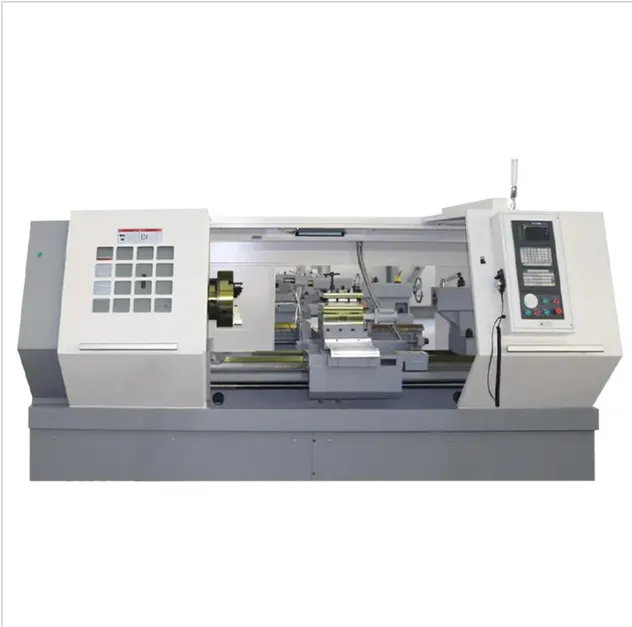
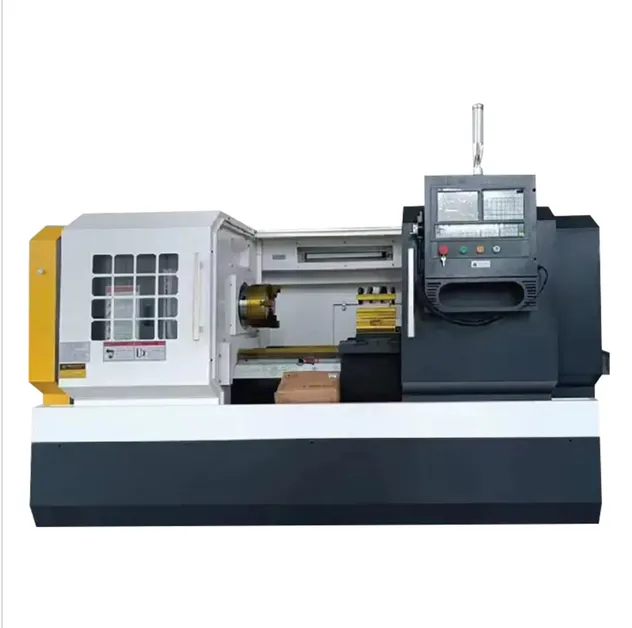
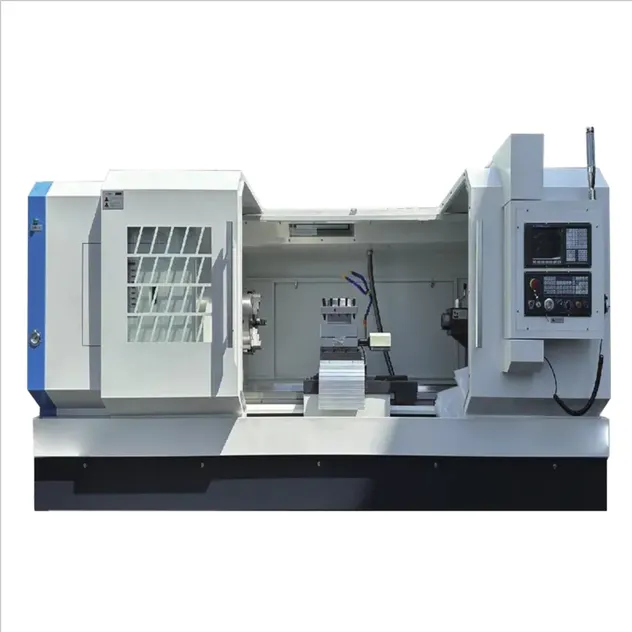
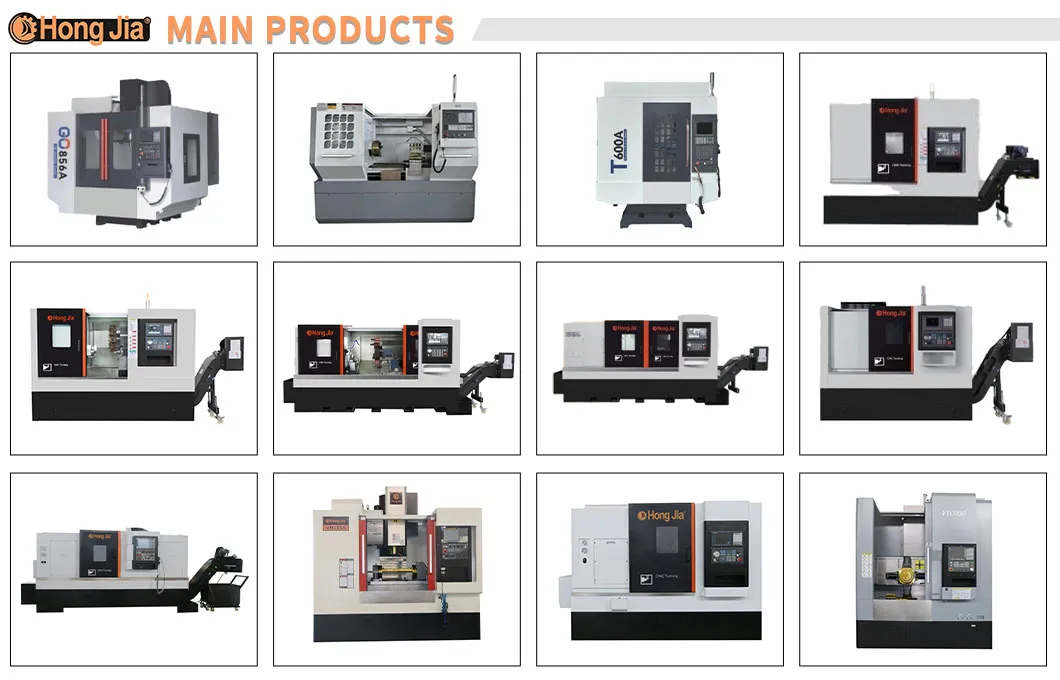
Horizontal CNC Turning and Milling Machine
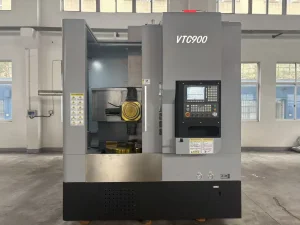
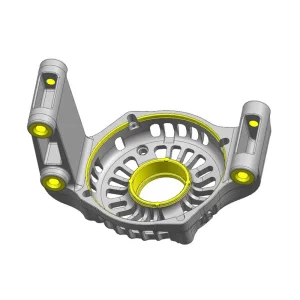
The core of the Horizontal CNC turning and milling machine is its integrated turning and milling capabilities within a horizontal layout, enabling "single-clamping, multi-step machining" of complex parts.
I. Core Product Features
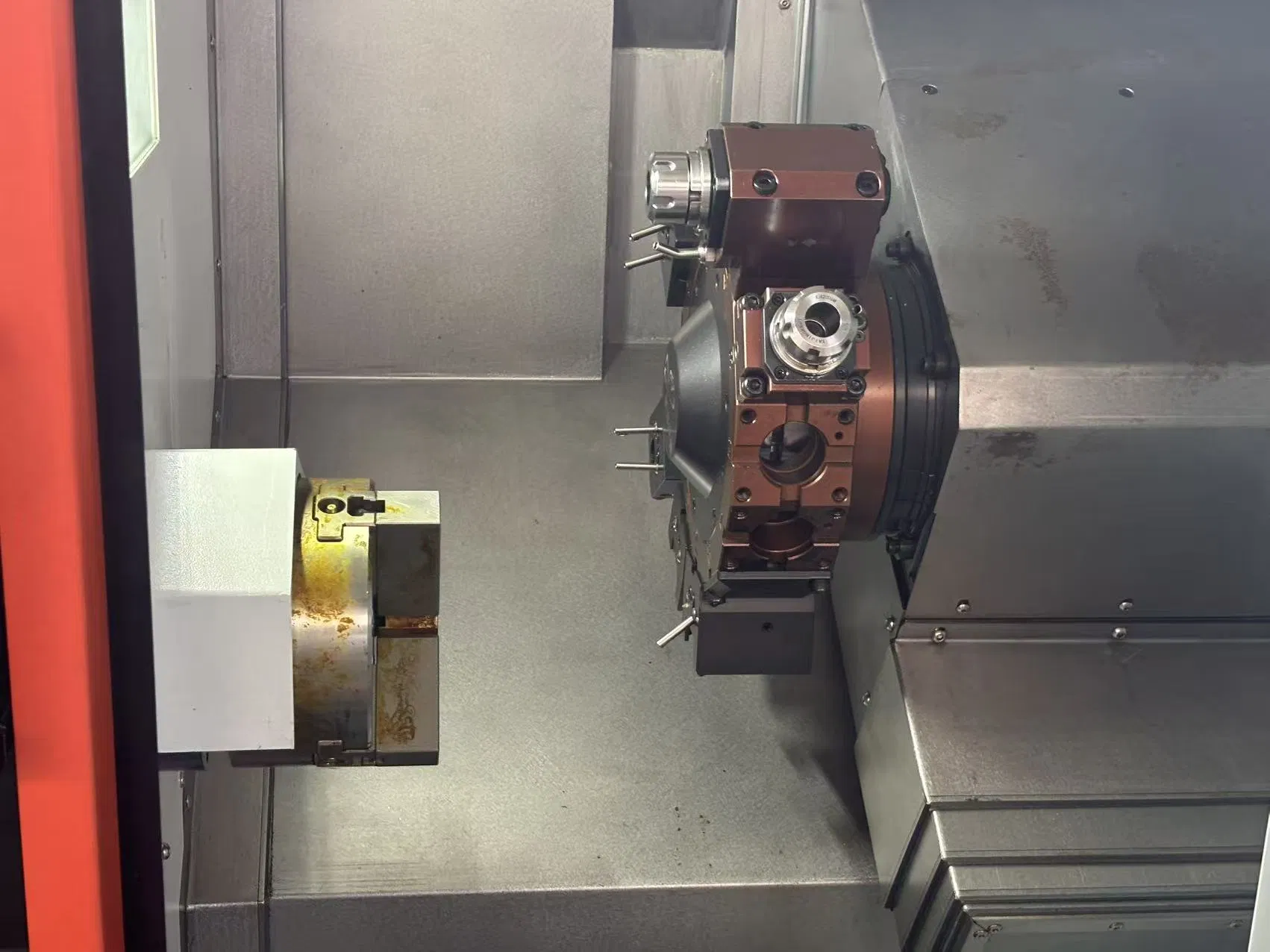
Layout and Structure: These machines utilize a horizontal bed with a horizontal spindle. They are typically equipped with a turret (for turning) and a driven toolholder (for milling). Some high-end models include a Y-axis function.
High Functional Integration: They offer both turning (external, internal, facing, and threading) and milling (drilling, tapping, face milling, and slot milling).
High Precision: Controlled by a CNC system (such as FANUC or Siemens), combined with high-precision spindles and guideways.
Automation Adaptability: Easily integrates with automatic feeders and robotic loading and unloading systems.
II. Main Functions
Turning: Performs rotary cutting of parts, including external turning, internal boring, facing, taper machining, and thread turning.
Milling: Driven by a live toolholder for drilling, tapping, milling flat surfaces, and milling grooves.
Auxiliary: Supports C-axis and Y-axis for complex features such as eccentric holes and curved surfaces.
III. Typical Applications
Automotive Manufacturing: Engine crankshafts, camshafts, and transmission gear shafts.
Engineering Machinery: Hydraulic valve spools, cylinder piston rods.
Aerospace: Precision shaft parts, sensor housings, and fasteners.
General Machinery: Pump and valve parts, motor shafts, bearing rings.
IV. Core Advantages
- Improved Precision: Reduces workpiece clampings, reducing positioning errors.
- High Efficiency: Eliminates manual transfer and shortening processing cycles.
- Reduced Cost: Particularly suitable for automated production lines, enabling 24/7 processing.
- Expanded Scope: Handles complex part structures without disassembly.
 DSCUT CNC