DSCUT CNC
1 / 5
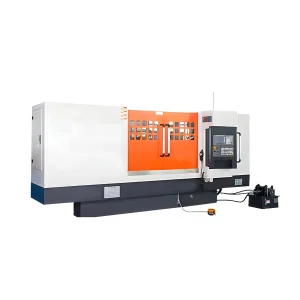
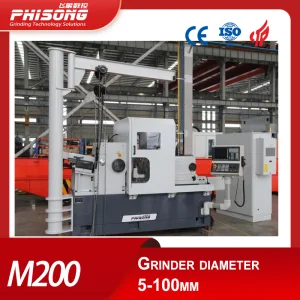
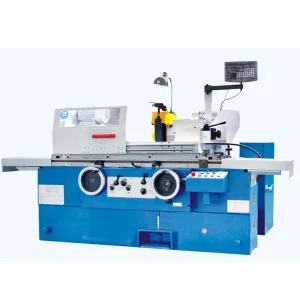
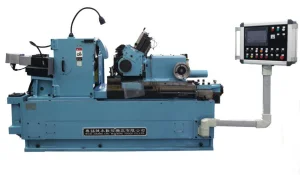
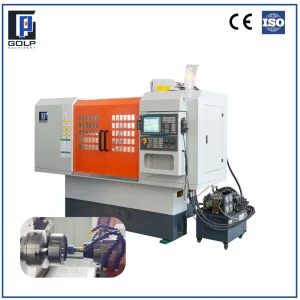
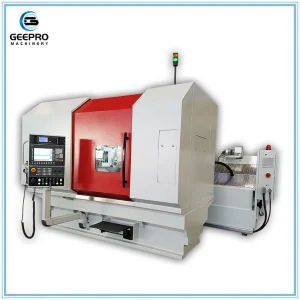
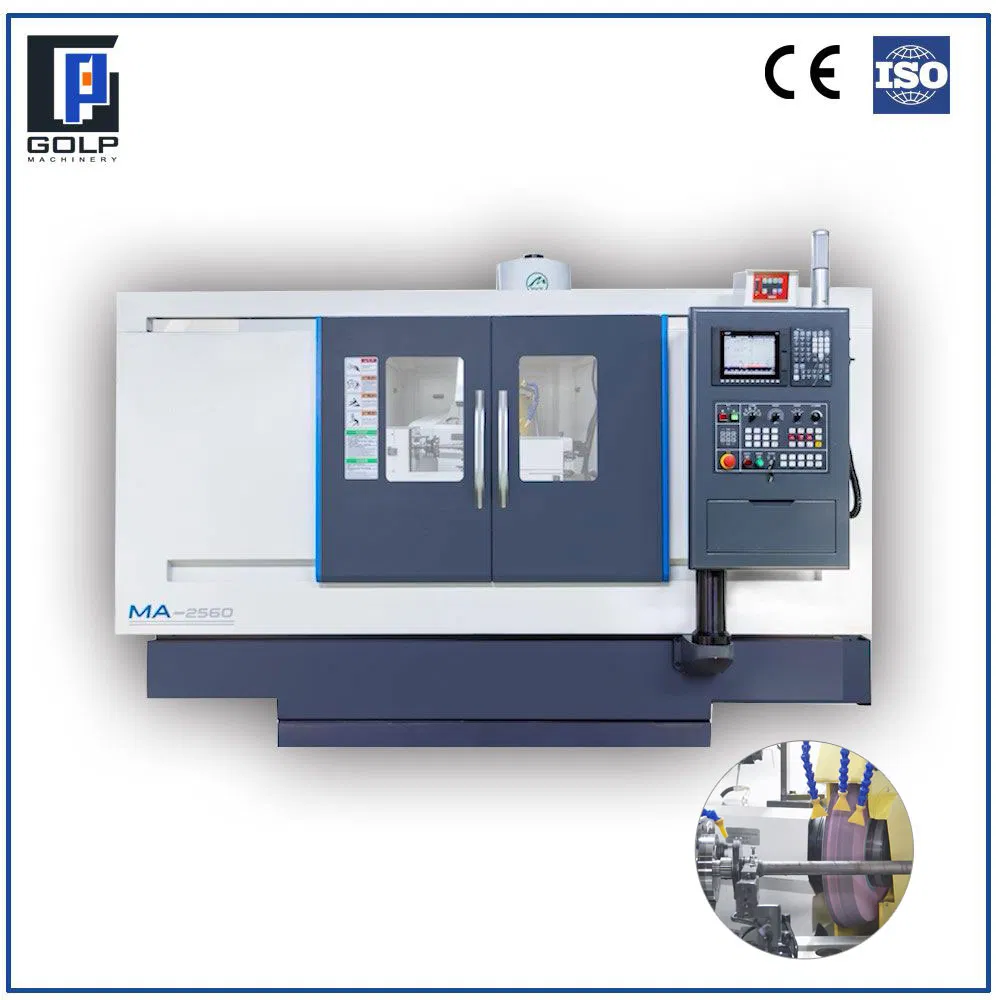
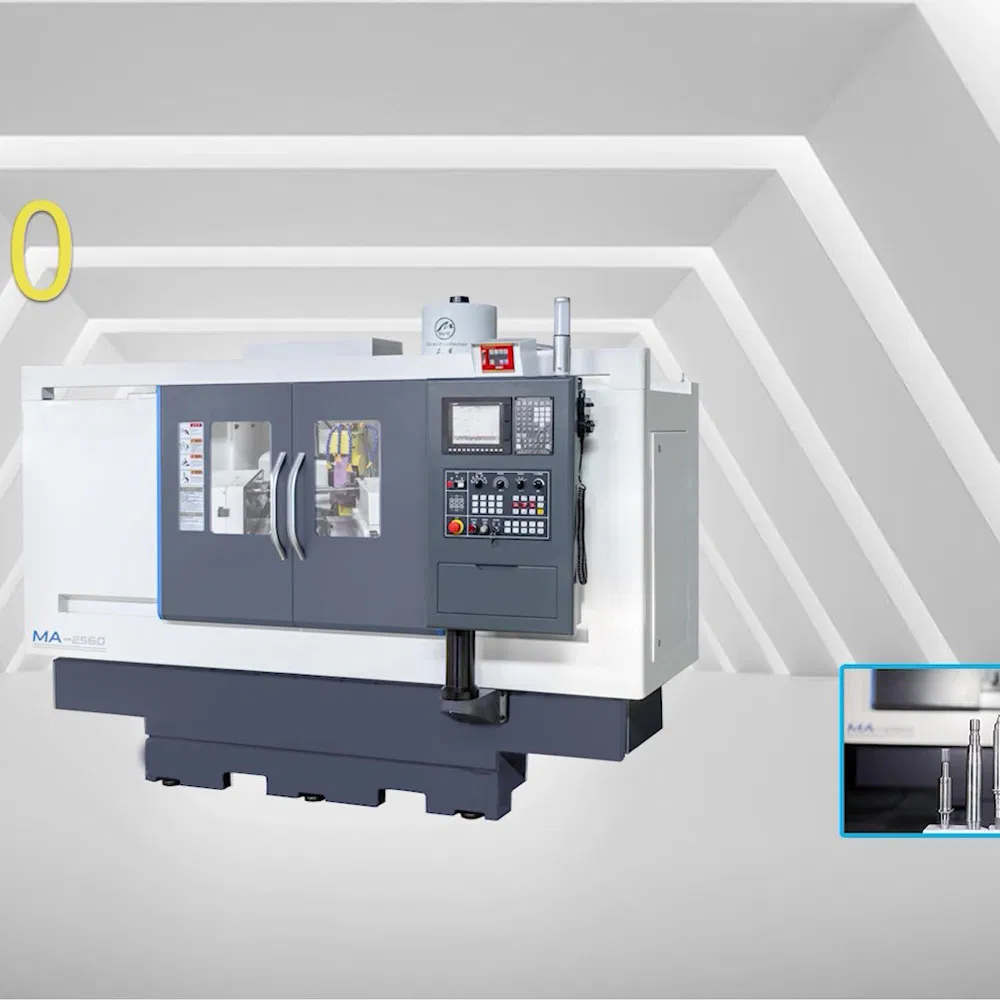
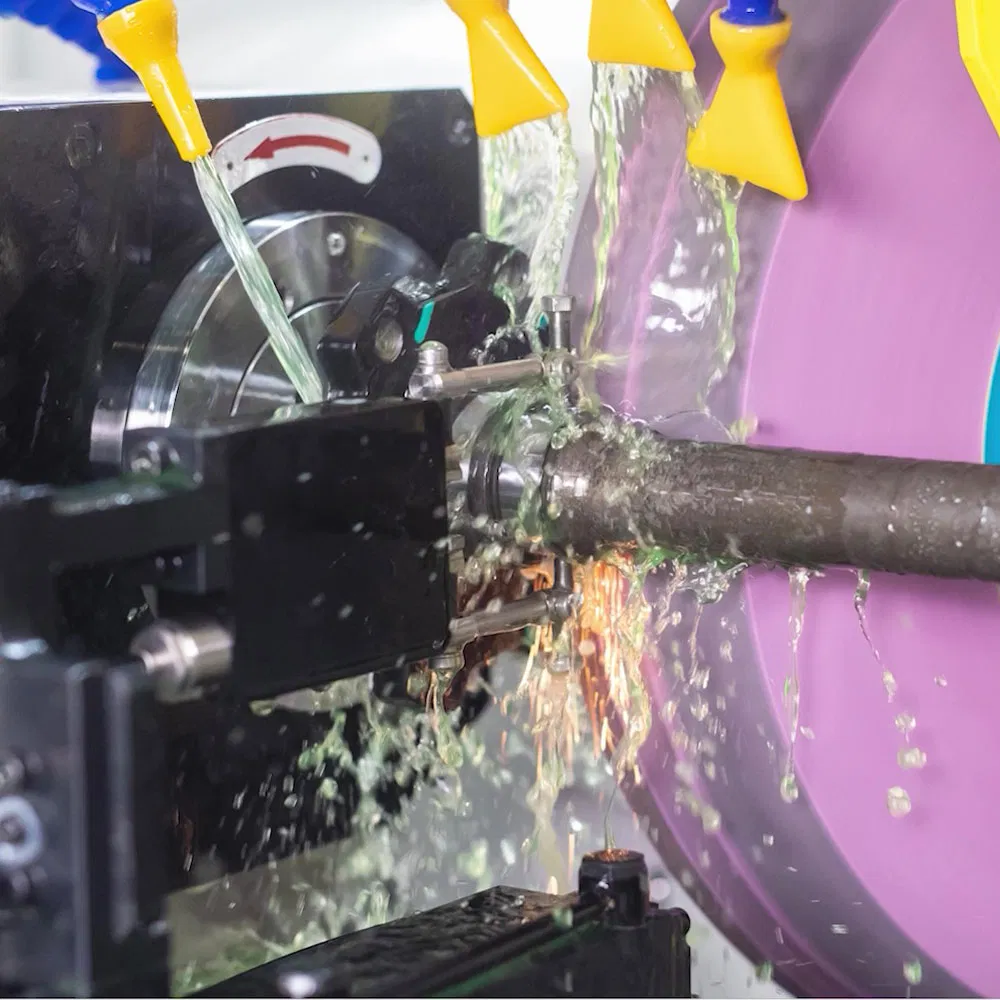
Provide a complete solution for cylindrical and end face grinding of shaft and disc parts, which can be equipped with truss or joint robots.

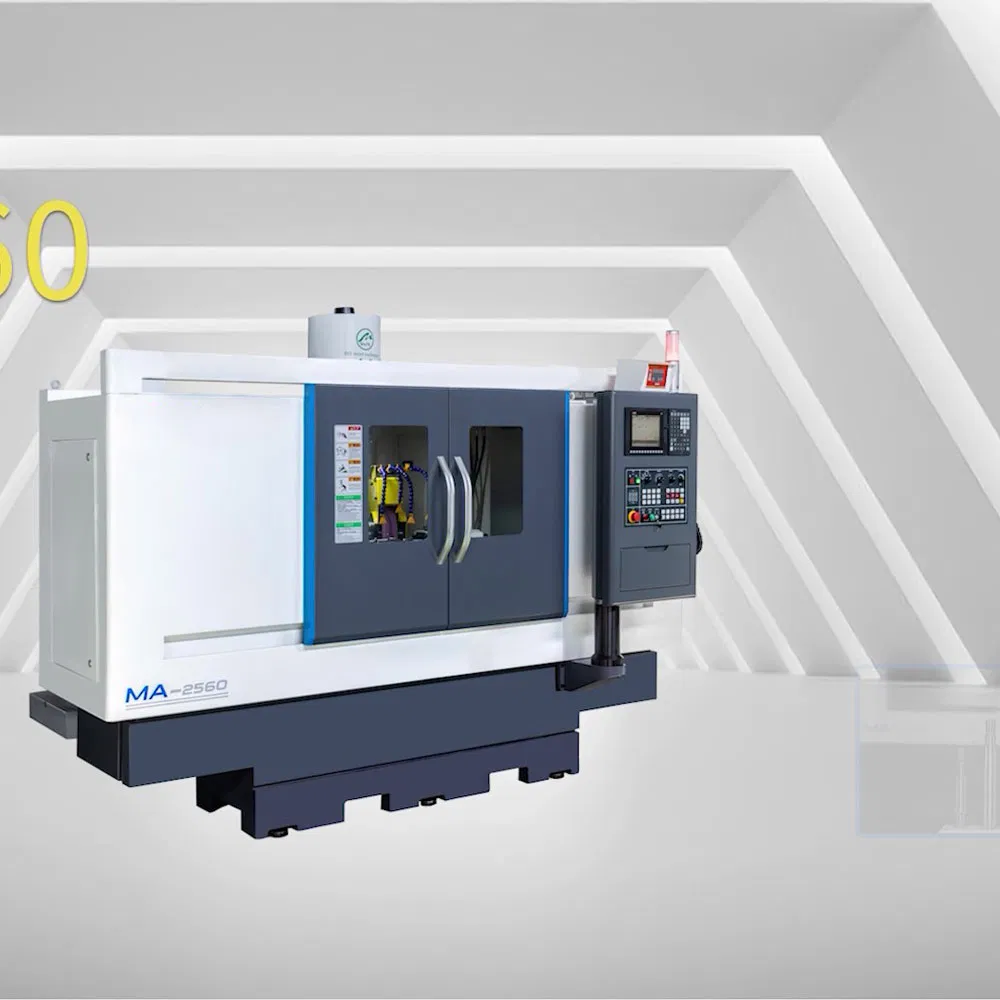

| ITEM | MA oblique / MP straight | |||
|---|---|---|---|---|
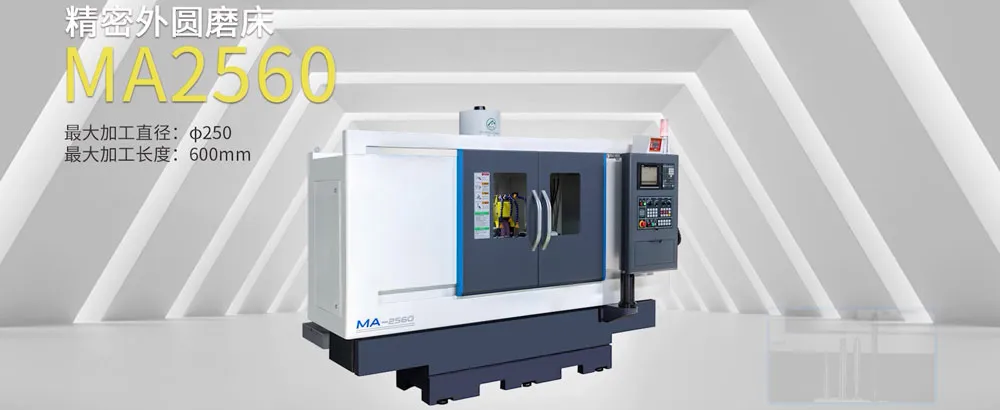
| Model | MA2530 | MP2530 | MA2560 | MP2560 |
| Max Processing Diameter (mm) | Ф250 | Ф250 | ||
| Max Processing Length (mm) | 300 | 600 | ||
| Max Loading (kg) | 80 | 80 | ||
| Max Spindle Rotate Diameter (mm) | Ф260 | Ф260 | ||
| X/Z Axis Travel (mm) | 180/300 | 180/600 | ||
| X/Z Servo Motor Power (kw) | 1.5/1.5 | 1.5/1.5 | ||
| Spindle Motor Power (kw) | 5.5 | 5.5 | ||
| Max Grinding Wheel (mm) | Ф450xФ127x120 | Ф450xФ127x120 | ||

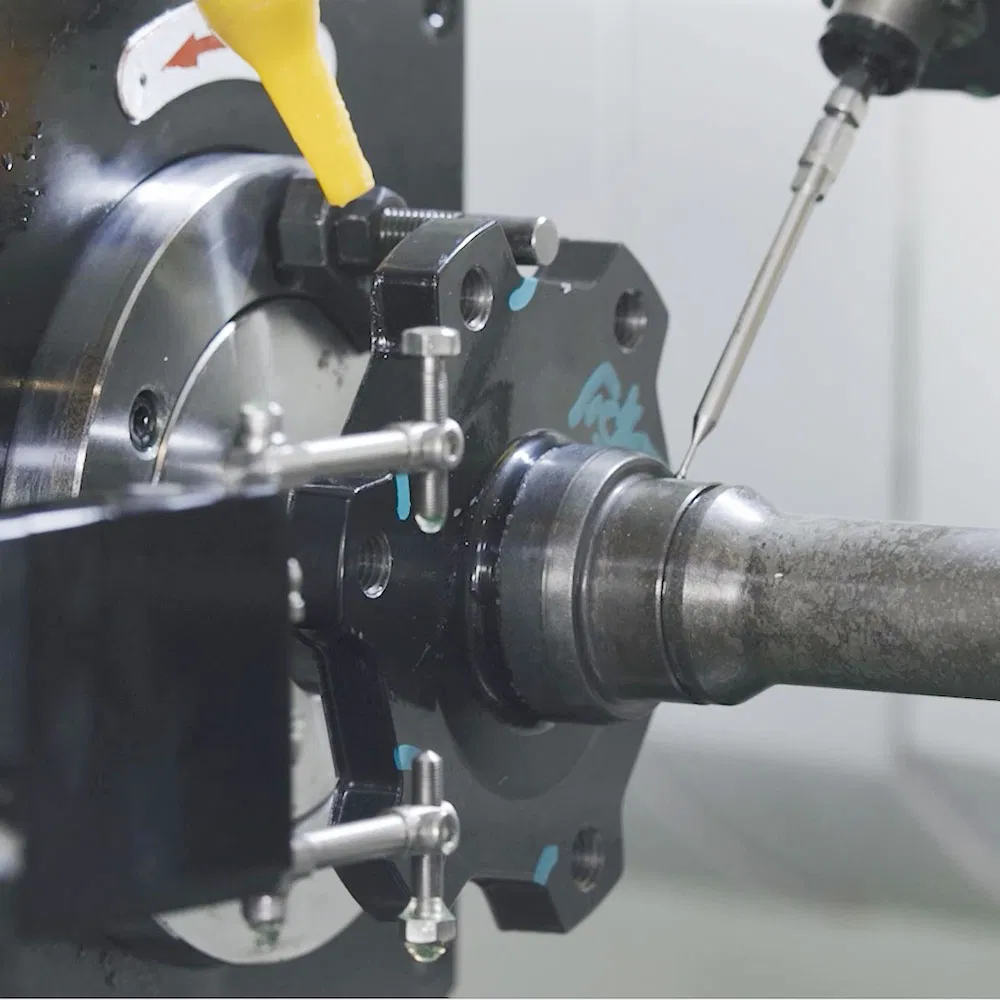
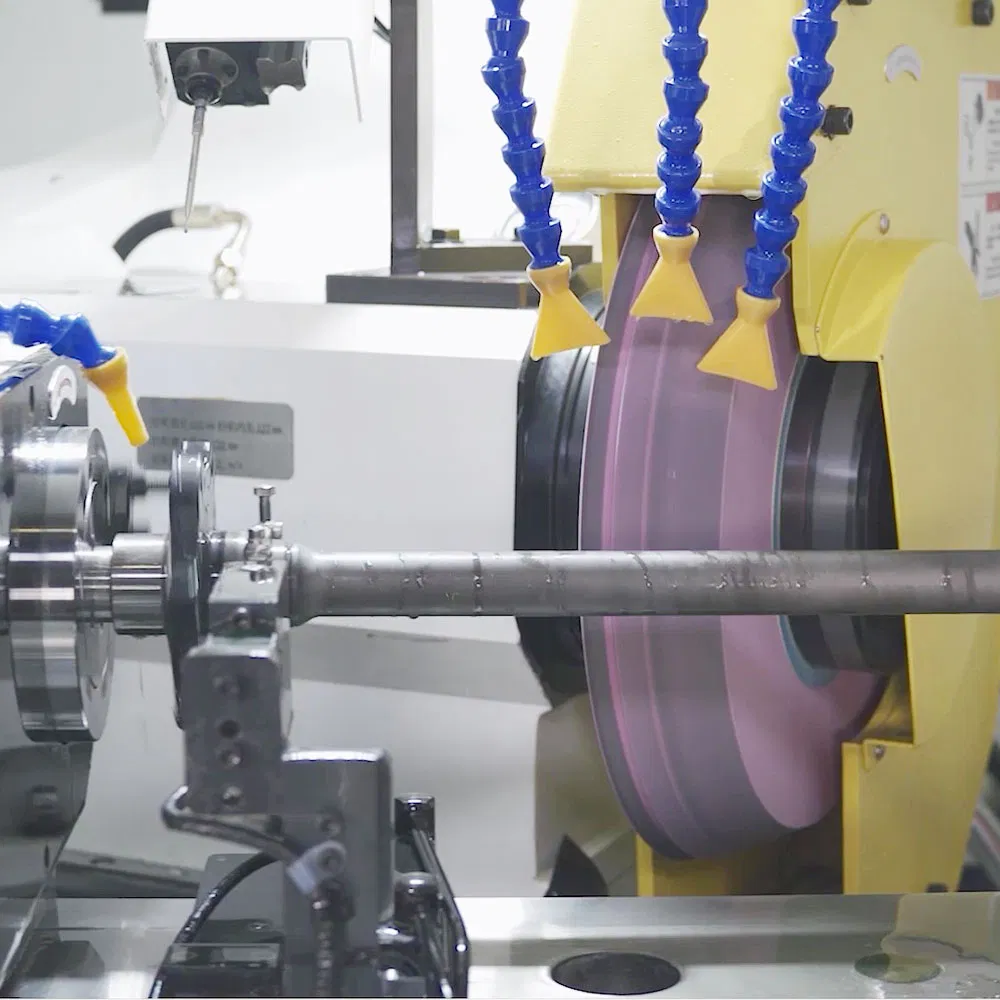
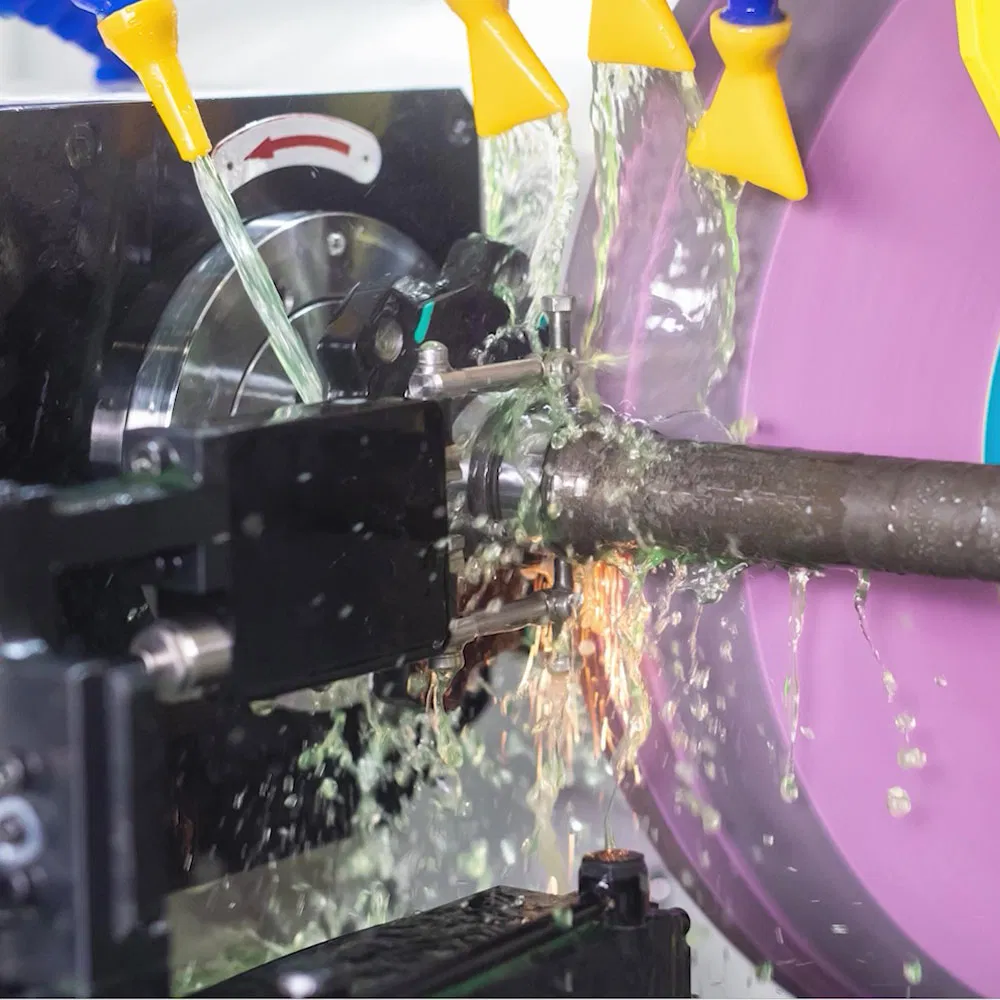
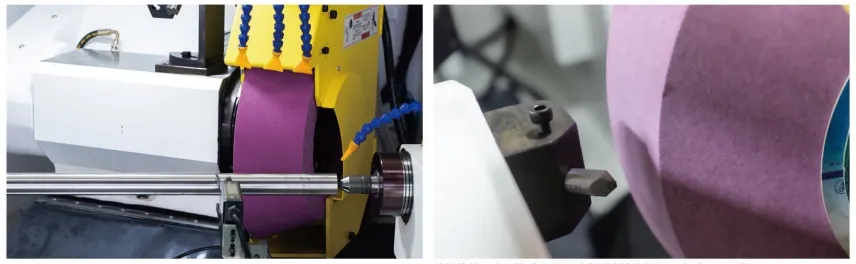
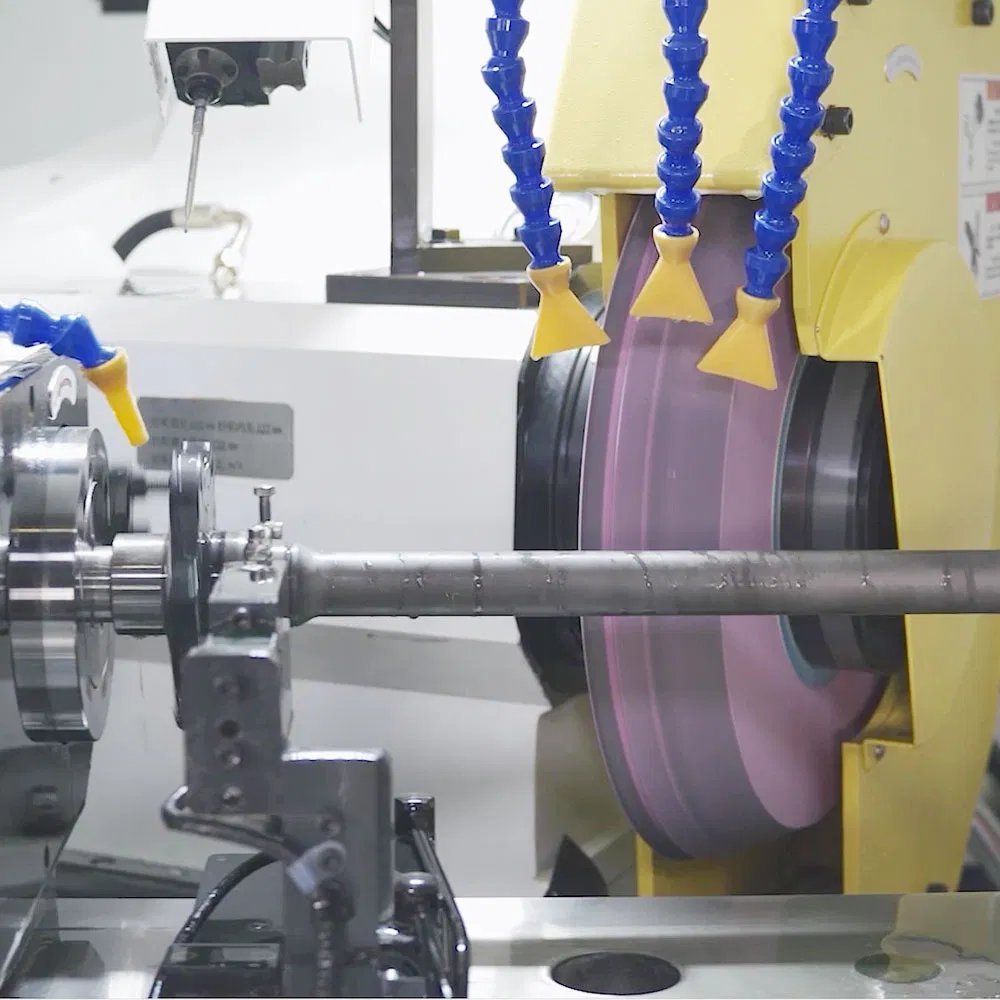
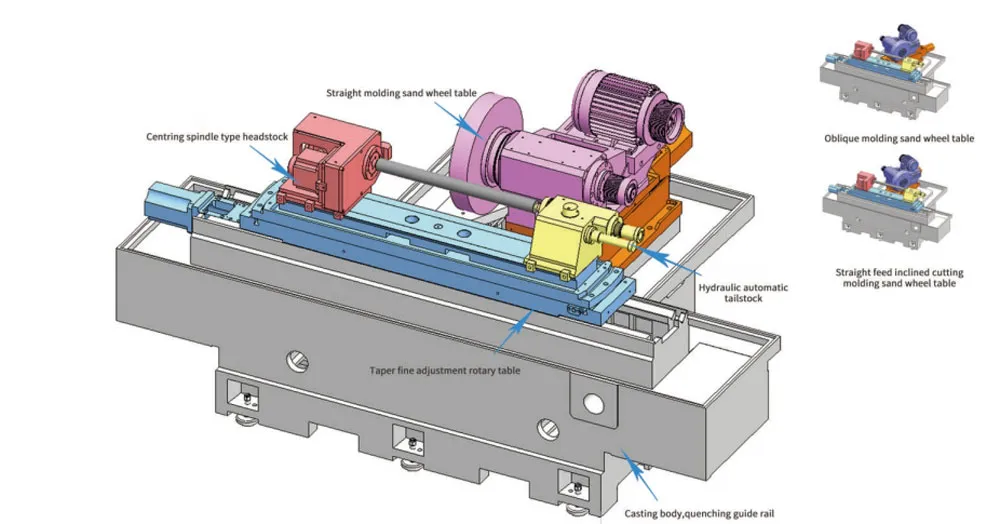
Δ Static spindle: High rigidity front and rear radial hydrostatic bearings, with high rotary accuracy, high rigidity, stable rotation, no vibration and long life. Motor belt drive, infinitely variable speed, constant line speed.
Δ Grinding wheel dressing: Diamond pen or servo driven diamond roller dresser to meet different needs.
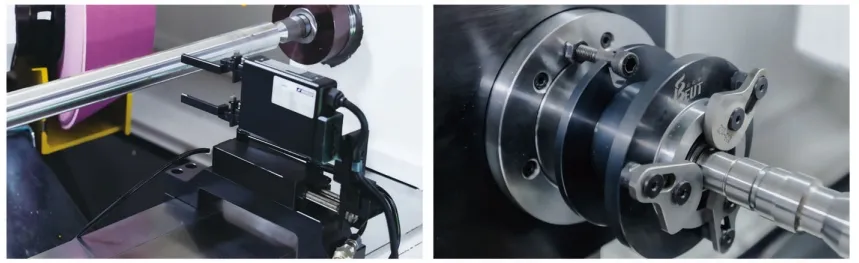
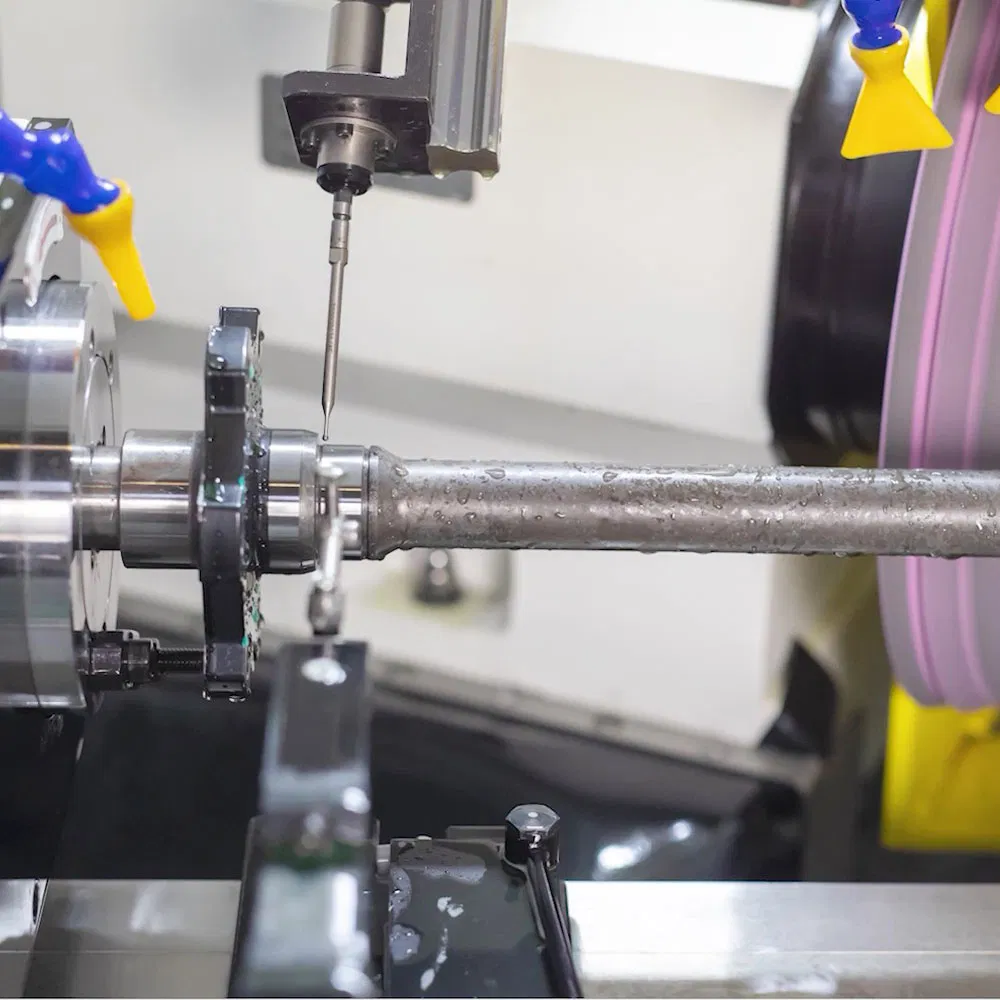
Δ Measuring device (optional): End face, outer diameter equal gauge can be selected according to grinding requirements of workpiece.
Δ Workpiece driving device (optional): Automatic tractor, driving ring, clamp, etc. can be selected according to grinding requirements of workpiece.

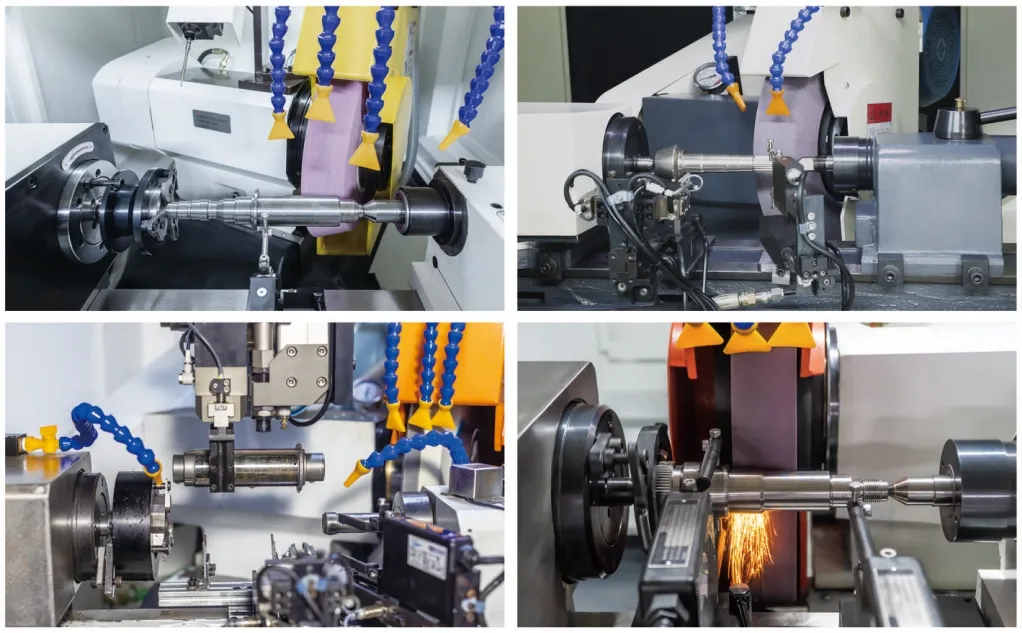

CNC cylindrical grinding machine + Truss robot
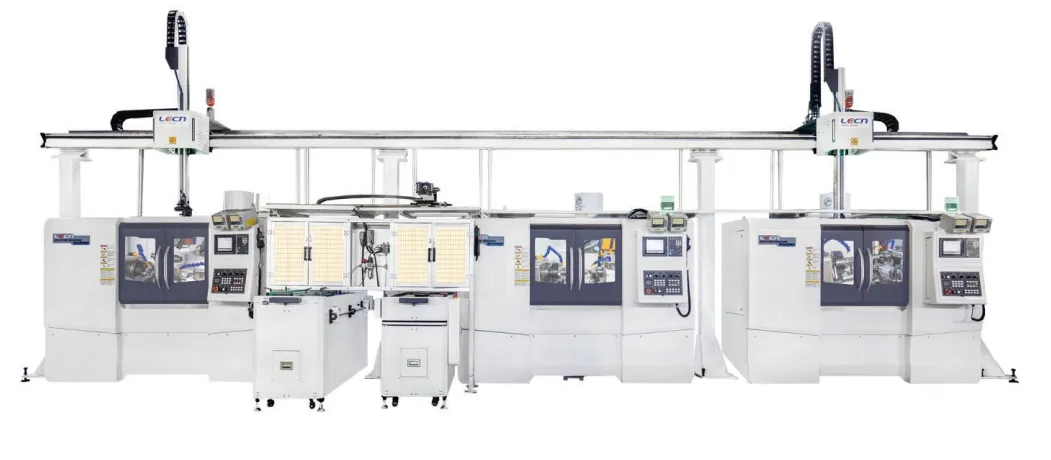
Automatic production line refers to the process by which the machines on a production line are linked together to form a production line which can automatically control, measure and continuous processing including feeding, loading, unloading and product processing.
Flow principle: organic combination of each process, centralized placement of related processes and fluidized layout. Short-distance principle: minimize handling, process can not be crossed, straight running. Balance principle: resources allocation between workstations and speed allocation should be balanced as far as possible. Fixed cycle principle: minimize handling. Principle of economic output: adapt to the situation of small-scale production, make use of space and reduce the placement of ground. Principle of flexibility: sufficient strain on future changes and flexible plan. Error-proof principle: prevent errors from hardware layout and reduce production losses.