Milling and turning are two fundamental machining processes in manufacturing. They play distinct roles, yet both are crucial in creating precision parts. Understanding what is the difference between milling and turning is essential for engineers and machinists alike.
Milling involves rotating cutting tools to remove material from a stationary workpiece. It is ideal for complex shapes. On the other hand, turning uses a rotating workpiece and a stationary tool. This method excels in producing cylindrical parts. Each process has its unique advantages and limitations.
Choosing the right machining method often depends on the specific project requirements. Factors include material type, complexity, and production volume. It’s not just about picking one process over the other; it’s about knowing when to use each effectively. This ongoing learning helps enhance product quality and efficiency. The differences may seem subtle, but they can significantly impact production outcomes.
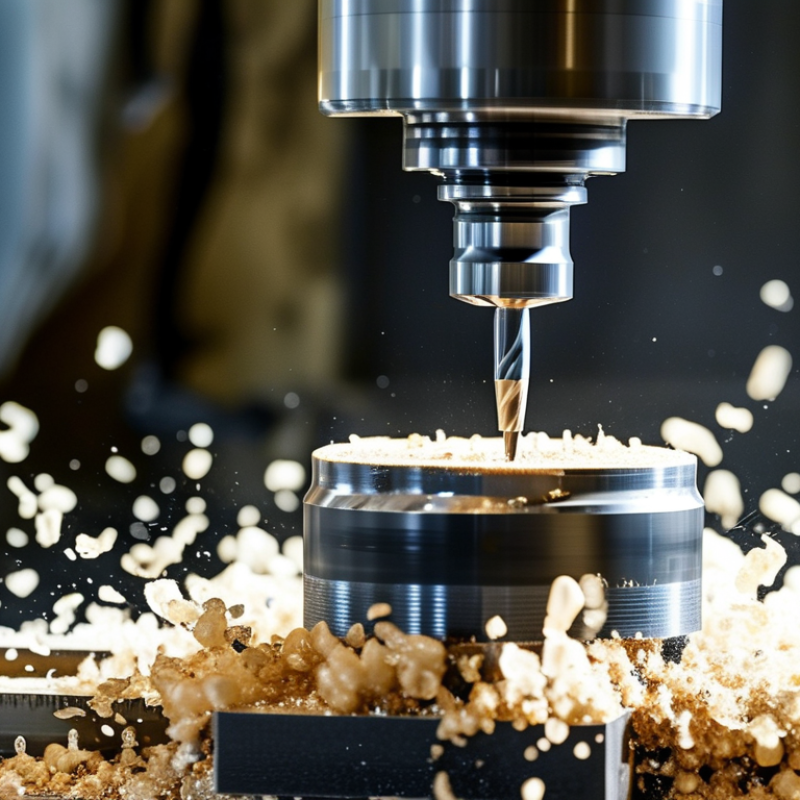
Milling and turning are vital processes in manufacturing. Each method has unique characteristics that define its applications. Milling involves rotating a cutting tool to remove material from a workpiece. This technique is especially effective for creating complex shapes and intricate designs. It allows for detailed work on flat surfaces and contours.
On the other hand, turning relies on a rotating workpiece while the tool remains stationary. This method is excellent for producing cylindrical parts. It often achieves a smooth finish and precise dimensions, but it is less versatile than milling. While both processes have their merits, choosing the right one can be challenging. The desired outcome, material type, and production volume can heavily influence the decision.
A common oversight is assuming one process is inherently better than the other. Each has strengths and weaknesses. For instance, milling can be slow for large parts, while turning may struggle with complex geometries. Understanding these nuances is crucial for optimizing production efficiency. The right choice often depends on the specific requirements of the project. This requires careful consideration and sometimes trial and error to determine the best fit.
Milling and turning are foundational processes in machining, each pivotal for producing precise components. In milling, the workpiece remains stationary while a rotating cutting tool moves across its surface. This process excels at creating flat surfaces, complex shapes, and intricate contours. Data from the National Institute of Standards and Technology shows that milling is often preferred for parts that require high precision and surface quality, especially in industries like aerospace and automotive.
Turning, on the other hand, involves rotating the workpiece against a stationary cutting tool. This method is more suited for cylindrical and conical shapes. It's efficient for high volume production where uniform dimensions are crucial. Reports indicate that turning typically offers better material removal rates compared to milling. However, both processes have limitations. For example, milling may struggle with deep cuts requiring significant force, potentially leading to tool wear. In turn, turning is less effective for complex geometries that often fall into the milling domain.
Understanding these nuances is critical for selecting the right process. Each method brings its advantages and challenges to the machining table, emphasizing the need for thorough analysis before production. Missteps in choosing the wrong method can lead to increased costs and production delays. Industrial trends indicate a growing reliance on hybrid machining techniques, blending both milling and turning to achieve optimal results.
This chart illustrates the key differences between milling and turning processes in machining. The data shows various parameters like speed, material removal rate, and tool life for each process, allowing for a quick comparison.
In various manufacturing sectors, milling and turning are essential machining processes. Milling involves removing material from a workpiece using rotary cutters. This method is well-suited for creating complex shapes and features. Common applications include producing gears, slots, and intricate contours found in many automotive and aerospace components. According to industry reports, the CNC milling market is expected to reach USD 13.1 billion by 2025, reflecting its critical role in modern manufacturing.
Turning, on the other hand, uses a single-point cutting tool to shape a rotating workpiece. It excels in producing cylindrical parts, such as shafts and fittings. The turning process is vital for industries like medical device manufacturing, where precision and durability are paramount. Research indicates that the global lathe market will grow at a CAGR of 6.9% from 2021 to 2026, highlighting the increasing reliance on turning for high-quality outputs.
Despite their advantages, both processes have limitations. Milling may struggle with very hard materials, while turning can face challenges when dealing with larger diameters. Understanding these nuances can optimize process selection. As technology evolves, new advancements could bridge these gaps, leading to more efficient practices in both milling and turning.
| Feature | Milling | Turning |
|---|---|---|
| Primary Motion | Cutting tool rotates while workpiece is stationary | Workpiece rotates while cutting tool is stationary |
| Common Tools | End mills, face mills | Turning tools, lathes |
| Typical Workpieces | Flat, complex shapes | Cylindrical shapes |
| Axis of Motion | Multidimensional (X, Y, Z) | Primarily linear (X, Z) |
| Manufacturing Tolerance | High precision for complex profiles | Moderate to high precision for round features |
| Typical Applications | Engines, mold making, gear manufacturing | Shafts, bolts, fittings |
| Setup Complexity | Moderate | Generally lower |
Milling and turning are two essential machining processes. Each offers unique advantages and disadvantages that affect project outcomes. According to industry data, the global CNC milling machine market reached $10.12 billion in 2020 and is projected to grow at a CAGR of 5.5% until 2026. Milling excels at creating complex shapes and intricate designs. However, it may struggle with consistency for high-volume production.
Turning, on the other hand, is ideal for producing cylindrical parts. It tends to be faster for simpler shapes. Recent reports indicate that turning processes can achieve production rates that are 20-40% higher than milling for standard components. However, the limitations of turning include challenges with more complex geometries, which milling handles with ease.
When selecting between the two, consider factors like material type and desired precision. Industry professionals often point out that milling offers better surface finishes. Yet, turning can be more cost-effective for high-volume runs. Balancing these factors requires experience and insight. Many users may find themselves second-guessing their methods as technology evolves. Understanding these dynamics helps in making informed machining decisions.
The choice between milling and turning is often influenced by several factors. First, the type of material plays a crucial role. Harder materials may require milling for better precision. Conversely, softer materials might be easier to turn. Each process offers specific advantages based on the material property.
Another vital factor is the complexity of the part geometry. Milling excels in creating intricate shapes and detailed features. It allows for varying depths and angles, making it suitable for complex designs. Turning, however, is preferred for cylindrical parts. Its simplicity can lead to faster production times for such shapes.
Machine availability is also important. Not all workshops have both milling and turning machines. This may limit the options for fabrication. Budget constraints can further complicate decisions. Each method has different cost profiles, affecting project feasibility. Evaluating these factors carefully can lead to more efficient and cost-effective manufacturing processes.
: Milling is a process where a stationary workpiece is shaped by a rotating cutting tool. It creates flat surfaces and complex shapes.
Milling works well with various materials, but it may struggle with very hard materials. This can impact results.
Turning is efficient for producing cylindrical shapes. It often allows for faster material removal compared to milling.
These processes are prevalent in aerospace, automotive, and medical device manufacturing. Precision is essential in these sectors.
Milling excels at complex geometries. Turning is less effective for shapes that require intricate details.
Choosing incorrectly can lead to higher costs and production delays. Careful analysis is crucial to avoid mistakes.
Advancements in technology may improve efficiency and bridge existing gaps in milling and turning. The future is promising for both.
Yes, milling can encounter challenges with deep cuts, requiring significant force that may cause tool wear.
The global lathe market is projected to grow significantly, reflecting increased demand for turning processes in manufacturing.
Hybrid techniques combine milling and turning benefits. This helps achieve optimal results in component production.
The article "2026 Top Differences Between Milling and Turning Explained" provides a comprehensive overview of the fundamental distinctions between milling and turning in machining processes. It begins by defining both methods, highlighting their key principles, which involve the type of motion and the workpiece orientation. The article also outlines common applications for each process, demonstrating how industries utilize milling for flat surfaces and intricate designs, while turning is ideal for creating cylindrical parts.
In exploring advantages and disadvantages, the article discusses factors such as material removal rates, precision, and the complexity of parts produced. A crucial question addressed is "what is the difference between milling and turning," which ultimately boils down to the type of cutting action and the orientation of the cutting tool and workpiece. Several elements, including cost, production volume, and specific application demands, influence the choice between milling and turning, making this information valuable for engineers and manufacturers alike.

DSCUT CNC