China Top 10 Turning Machine Applications?

Time:2026-09-15 Author:Mason
0%

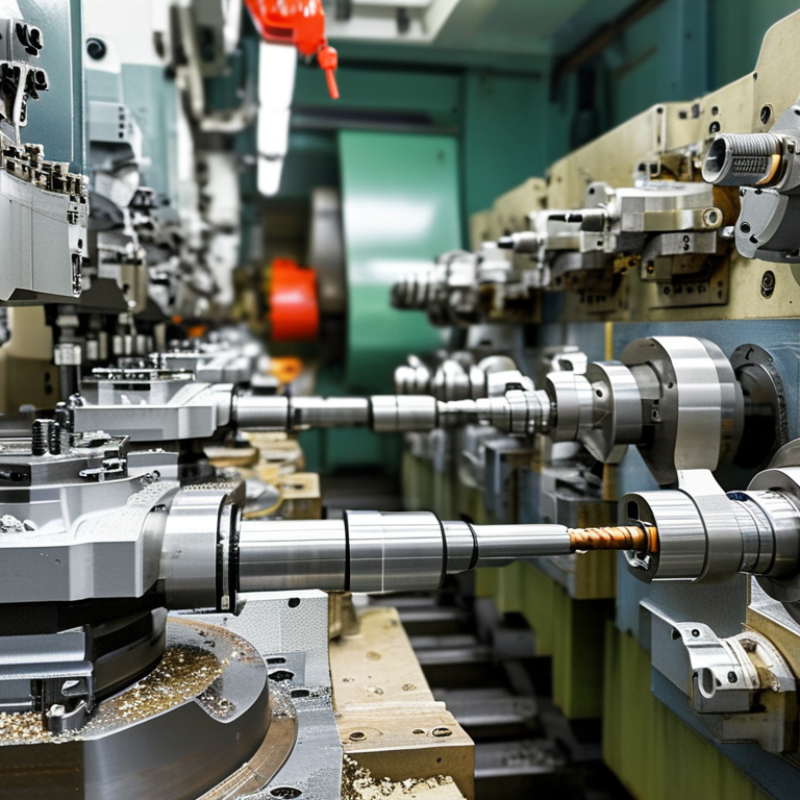
China’s turning machine industry supports many production lines, from small workshops to advanced automotive plants. These machines remove material from rotating workpieces, creating shafts, threads, bushings, flanges, and other precision components. But what are the applications of turning machines in real manufacturing environments?

This article examines China’s top ten turning machine applications through practical examples. Automotive factories use CNC lathes for drive shafts, brake components, and transmission parts. Aerospace suppliers machine lightweight alloys with strict dimensional controls. Medical manufacturers produce stainless steel instruments and implant-related components under demanding quality systems. Energy companies rely on turning equipment for valves, pump shafts, and turbine parts. Rail, construction machinery, agriculture, electronics, and general engineering also depend on reliable turning processes.

The details matter.

A workshop may select a conventional lathe for repair work, while a high-volume factory may require automated CNC turning centers. Material hardness, production quantity, tolerance, surface finish, and operator skill all influence that decision. Chinese manufacturers offer broad equipment choices, but quality can differ between suppliers and machine models. Buyers should verify testing records, component brands, service response, and actual sample results.

This overview is not a promise that one machine fits every application. Real production often exposes overlooked problems, including tool wear, vibration, chip control, and inconsistent inspection methods. By comparing these ten applications, readers can better understand where turning machines create value, where careful evaluation is necessary, and how practical experience shapes a dependable investment.
China Top 10 Turning Machine Applications?

What Are Turning Machines and How Do They Work?

China Top 10 Turning Machine Applications

What Are Turning Machines and How Do They Work?

A turning machine removes material from a rotating workpiece. The cutting tool moves along its surface. This controlled contact creates round parts, grooves, threads, and tapered profiles. A chuck grips the material, while the spindle provides rotation. The carriage guides the tool with measured movement. Some machines use computer control for repeatable dimensions. Others rely on skilled operators and careful hand adjustments.

Common applications include shafts, bushings, bolts, threaded fittings, pulleys, rollers, bearing seats, pipe connectors, wheel hubs, and precision medical components. In each case, the workpiece spins around a fixed axis. Tool speed, feed rate, and cutting depth affect surface quality. For example, a bearing seat may need a smooth finish within a narrow tolerance. A rough setting can leave visible lines or create unwanted heat. That detail matters.

Practical work also includes inspection. Operators measure diameters with micrometers and check threads with gauges. Coolant can reduce heat, but it cannot correct poor tool alignment. In real workshops, setups do not always behave perfectly. A small chucking error may produce noticeable runout. I have seen a part meet its diameter target but fail its surface-finish requirement. That result requires reflection, not just another pass. Material hardness, tool wear, and vibration can change the final outcome. Safe guarding, secure clamping, and correct operating procedures remain essential.

How Are Turning Machines Used in Automotive Manufacturing?

How Are Turning Machines Used in Automotive Manufacturing?

China’s automotive factories rely on turning machines for accurate, repeatable cylindrical components. The China Association of Automobile Manufacturers reported 31.28 million vehicles produced in 2024. This volume demands stable machining, not occasional precision. CNC turning centers shape drive shafts, wheel hubs, brake discs, steering parts, and transmission components. Their cutting tools remove material from rotating workpieces. Live tooling can also drill, mill, and thread parts in one setup.

The data reflects a major shift in product demand. The International Energy Agency recorded more than 17 million electric cars sold worldwide in 2024. Electric vehicles use fewer transmission parts, but they still require shafts, housings, rotors, and thermal-system components. Turning machines help manufacturers control diameters, concentricity, surface finish, and thread accuracy. In practice, automated loading reduces handling time. In-process measurement can detect tool wear before defective parts reach assembly.

Small deviations matter. A worn insert may leave a rough sealing surface. A poorly clamped hub can create vibration later. Manufacturers therefore combine cutting data, coolant control, and statistical process monitoring. However, automation is not perfect. Operators still need to inspect samples, question unusual measurements, and adjust programs carefully. That human review is easy to underestimate. Industry reports often emphasize production scale, while factory experience reveals another truth: consistency comes from repeated checking, not speed alone.

How Do Turning Machines Support Aerospace and Defense Production?

Turning machines support aerospace and defense production by creating precise rotational parts under demanding conditions. Typical work includes turbine shafts, landing-gear pins, actuator housings, and hydraulic fittings. These components often use titanium, nickel alloys, or hardened stainless steel. Each material demands different cutting speeds, tool geometries, and coolant control.

A 2024 global fleet and MRO market forecast projects continued growth in aircraft maintenance demand through 2034. That growth increases pressure to produce replacement parts consistently and quickly. Turning centers help manufacturers repeat complex profiles across small and medium production batches. Live tooling can add drilling, milling, and thread operations without repeated setups. This reduces handling errors and protects critical datum points. It also supports digital inspection records, which strengthen traceability during audits.

SIPRI reported global military expenditure of 2.443 trillion dollars in 2023, a 6.8% annual increase. Rising procurement activity can increase demand for dependable machined components. Yet higher spending does not guarantee quality. A poorly supported tool can leave microscopic burrs inside a precision bore. That defect may pass a visual check. It can still cause serious assembly trouble later. Operators therefore combine probe checks, statistical process control, and first-article inspection. No process is perfect. Heat distortion, tool wear, and programming assumptions still require experienced review.

Which Applications Serve Energy, Medical, and Electronics Industries?

China’s turning machines serve demanding energy applications, from valve bodies and pump shafts to turbine spacers and connector sleeves. IEA’s World Energy Investment 2024 report estimates global energy investment will exceed 3 trillion dollars. That scale creates steady demand for accurate, repeatable metal parts. In practice, shops often machine stainless steel, nickel alloys, and hardened steels. Tool wear becomes visible at the cutting edge.

Medical production uses turning for bone screws, dental components, surgical handles, and small fluid-control parts. These components require clean surfaces, tight tolerances, and documented inspection. The World Health Organization describes medical devices as a broad sector covering millions of products, although its reports do not offer one simple global market total. That limitation matters. A market estimate alone cannot prove manufacturing quality. Operators still need traceability, controlled coolant, and reliable dimensional checks.

Electronics applications include sensor housings, contact pins, heat-transfer parts, and miniature aluminum connectors. The World Semiconductor Trade Statistics Spring 2024 Forecast projected global semiconductor sales of about 588.4 billion dollars in 2024. Turning supports the equipment around chip production, even when it does not make the semiconductor itself. The ten-application label can mislead; energy, medical, and electronics parts often overlap in materials and tolerances. A small connector may demand more discipline than a large shaft. That is easy to underestimate.

What Factors Determine the Best Turning Machine Application?

China Top 10 Turning Machine Applications

The best turning machine application depends on more than material and diameter. In practice, engineers assess tolerance, surface finish, batch size, and part geometry together. Shafts, bushings, threaded fittings, rollers, flanges, and precision pins each create different demands. Small production runs may favor flexible equipment. Repetitive batches often need stable automation and quick tool changes.

Material behavior is a decisive factor. Stainless steel can generate heat and work hardening. Aluminum usually requires sharp tools and controlled chip evacuation. Hardened steel needs suitable cutting power, rigid fixturing, and careful speed selection.

I have seen excellent machines produce poor parts because the workholding was too weak. That mistake is easy to underestimate.

Accuracy requirements also shape the decision. A medical-style precision component may need reliable micron-level control and documented inspection.

A general shaft may prioritize cycle time and lower operating cost. The machine’s spindle capacity, turret layout, coolant delivery, and software should match actual drawings, not sales assumptions.

Operator skill matters too. A powerful machine cannot correct unclear process planning. Neither can it remove every setup error.

Maintenance access, training quality, energy use, and spare-part availability influence long-term reliability. A practical trial cut remains valuable, because real chips often reveal problems that specifications hide.

FAQS

What does a turning machine do?

It removes material from a rotating workpiece. A cutting tool moves along the surface. This creates round parts, grooves, threads, and tapered profiles.

How does a turning machine hold and rotate material?

A chuck grips the workpiece securely. The spindle rotates it around a fixed axis. The carriage guides the cutting tool with measured movement.

Which parts can turning machines produce?

Common examples include shafts, bushings, bolts, pulleys, rollers, and wheel hubs. They can also produce bearing seats, pipe connectors, and medical components.

What affects the quality of a turned surface?

Tool speed, feed rate, cutting depth, material hardness, and vibration all matter. A rough setting may leave visible lines or create unwanted heat.

How are dimensions checked after machining?

Operators measure diameters with micrometers. They check threads with gauges. Visual inspection can also reveal rough surfaces, tool marks, or unexpected damage.

Why is accurate clamping important?

Poor clamping can create runout and vibration. A small chucking error may produce a noticeably uneven part. The diameter can pass inspection, yet the surface may still fail.

How are turning machines used in vehicle manufacturing?

They produce drive shafts, wheel hubs, brake discs, steering parts, and transmission components. Some advanced machines drill, mill, and thread parts in one setup.

How do electric vehicles affect turning applications?

Electric vehicles use fewer traditional transmission parts. They still need shafts, housings, rotors, and thermal-system components. Turning machines help control their diameters and concentricity.

Can automation eliminate inspection?

No. Automated loading and in-process measurement improve consistency, but they cannot replace careful review. Operators must question unusual measurements and inspect sample parts.

What should operators remember during real workshop use?

Secure clamping, guarding, correct procedures, and suitable tool alignment remain essential. Coolant can reduce heat, but it cannot fix poor alignment. Speed alone is not precision.

Conclusion

Turning machines are essential tools in modern manufacturing because they remove material from a rotating workpiece to create precise cylindrical, tapered, threaded, or contoured components. What are the applications of turning machines? They are widely used in automotive manufacturing for producing shafts, axles, brake components, engine parts, and transmission elements. Their accuracy, repeatability, and flexibility make them suitable for both prototype development and high-volume production.

In aerospace and defense production, turning machines help manufacture lightweight yet strong components with demanding dimensional requirements. They also support energy equipment, medical devices, and electronics by producing valves, connectors, surgical instruments, housings, and other small precision parts. The best application depends on factors such as material type, component size, required tolerance, production volume, surface-finish expectations, machine rigidity, automation needs, and available tooling. Selecting the right turning process can improve efficiency, consistency, safety, and overall production value across many industries.

Mason

Mason

Mason is a seasoned marketing professional with a deep expertise in the company's offerings and a passion for driving brand awareness. With a strong background in digital marketing strategies, he has an innate ability to connect with diverse audiences and effectively communicate product benefits.......