Precision in machining processes is a vital concern for buyers in today's manufacturing landscape. According to a report by the National Institute of Standards and Technology, precision directly influences product quality, operational efficiency, and cost-effectiveness. For example, small deviations in machining accuracy can lead to significant defects, increasing waste and rework costs by up to 30%. This highlights why buyers must prioritize precision.
Why is precision important in machining processes? It ensures the final product meets exact specifications and functional requirements. Industries ranging from aerospace to healthcare demand stringent tolerances. Precision machining not only enhances the final product's reliability but also impacts the overall safety in critical applications. Statistics show that 70% of manufacturers report that precision influences customer satisfaction.
However, achieving high precision poses challenges. Many buyers grapple with cost pressures and time constraints. They may compromise on precision to save expenses, which can lead to long-term losses. Reflecting on these trade-offs is essential. Buying decisions must balance cost with the critical need for precision to avoid pitfalls in quality and reliability. Thus, understanding why precision is crucial in machining processes can empower buyers to make informed choices.
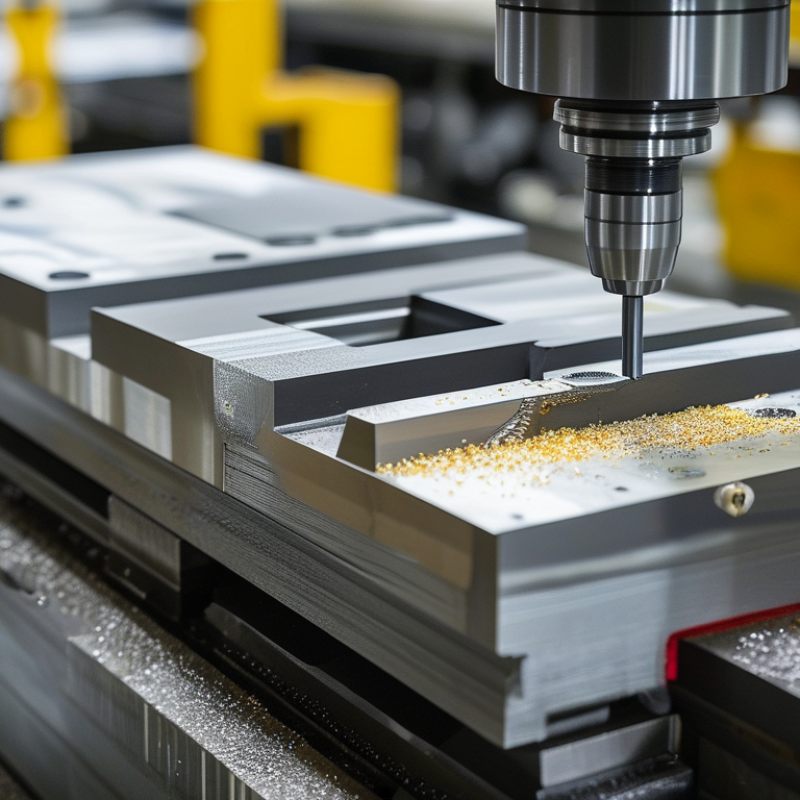
The Importance of Precision in Machining Processes
In machining processes, precision is paramount. A 2021 report from the American Society of Mechanical Engineers highlighted that even a deviation of 0.001 inches can result in significant impacts on product quality. High precision contributes to reducing waste, optimizing material usage, and ensuring that parts fit seamlessly during assembly. Buyers who prioritize high-precision machining are likely to experience fewer reworks, improved production efficiency, and superior end-product performance.
When evaluating machining service providers, it's essential to assess their capabilities. Look for certifications and industry standards they meet. More than 70% of manufacturers report that tight tolerances are critical to their operations. Ask for case studies or examples to ensure that the provider has a reliable track record in precision machining.
Tip: Consider using advanced technologies like CNC machining, which allows for intricate designs and tight tolerances.
Moreover, not all machining processes guarantee the same level of precision. Variations in tooling, machine setup, and even operator skill can lead to inconsistencies. Buyers must evaluate how companies maintain their equipment and train personnel. A consistent approach to quality control can markedly enhance the reliability of the final products.
Tip: Regularly revisit your suppliers' quality metrics to ensure ongoing precision and reliability.
Understanding the Impact of Tolerances on Product Quality
Precision in machining processes plays a vital role in ensuring product quality, particularly concerning tolerances. Tolerances define the permissible limits of variation in a manufactured part. A report from the National Institute of Standards and Technology states that improper tolerance management can lead to up to 30% of production costs being wasted on rework and defects. This emphasizes the importance of understanding and applying precise tolerances in manufacturing.
Moreover, precise machining ensures that interrelated parts function seamlessly together. The American Society of Mechanical Engineers suggests that even a minor deviation in tolerance can lead to assembly issues and mechanical failures. For instance, an automotive component with a tolerance discrepancy can result in reduced engine performance or increased wear. Achieving the right balance in tolerance can be challenging, but it is crucial for long-term reliability.
**Tip:** Always verify tolerance requirements with your design team early in the project. Clear communication can prevent expensive modifications later.
Precision also impacts customer satisfaction and brand reputation. Products that consistently meet or exceed tolerance specifications foster trust among buyers. Over time, this builds a competitive edge. However, achieving these exact specifications requires ongoing training and a commitment to quality.
**Tip:** Consider investing in advanced machining technologies that can improve accuracy and efficiency. Regular training sessions for operators can also enhance overall quality control in processes.
Why is Precision Crucial in Machining Processes for Buyers? - Understanding the Impact of Tolerances on Product Quality
| Machining Process |
Tolerance Levels (mm) |
Impact on Quality |
Typical Applications |
| CNC Milling |
±0.01 |
High precision required for parts fit |
Aerospace components, Medical devices |
| Turning |
±0.02 |
Critical for rotational balance |
Automotive parts, Spindles |
| EDM (Electrical Discharge Machining) |
±0.005 |
Suitable for intricate shapes |
Mold making, Tooling |
| Laser Cutting |
±0.1 |
Fast, with acceptable tolerances |
Sheet metal fabrication, Prototyping |
| 3D Printing |
±0.2 |
Good for complex designs |
Prototypes, Custom parts |
How Precision Affects Production Efficiency and Costs
Precision in machining processes is vital for enhancing production efficiency. When parts are made with high precision, they fit together seamlessly. This reduces the need for rework. Decreased rework saves time and materials. Manufacturers can thus meet deadlines more effectively.
Additionally, precision plays a significant role in controlling costs. Any deviations in size or shape can lead to wasted resources. For example, if a part is slightly too large, it may require costly adjustments. These adjustments increase overall expenses and delay timelines. Moreover, precision affects machinery wear and tear. Poorly made components can lead to greater wear, resulting in frequent machine maintenance.
Buyers may overlook precision at first. However, they face costs that compound over time. Investing in precise machining leads to fewer defects. It improves reliability and customer satisfaction. Yet, finding the right balance in precision can be challenging. Too much focus on precision can slow down production. Consideration of various factors is essential to optimize efficiency while managing costs effectively.
The Role of Advanced Technologies in Achieving Precision
Precision in machining processes is essential, especially as buyer expectations evolve. Advanced technologies play a pivotal role in achieving this precision. According to the American Society of Mechanical Engineers, precision has been shown to reduce production errors by 30%. This decrease translates to significant cost savings and improved product quality.
The integration of technologies like CNC machining, 3D printing, and automated quality control systems enhances precise outcomes in manufacturing. CNC machines can operate within tolerances of ±0.001 inches, ensuring that components meet exact specifications. Furthermore, a report from the International Journal of Advanced Manufacturing Technology highlights that real-time monitoring systems can detect fluctuations in processes, allowing for immediate corrective actions. Yet, not all companies fully utilize these technologies. Some phases still rely on manual processes, leading to inconsistencies.
Investing in advanced technologies doesn't guarantee precision. It requires employee training and commitment to continuous improvement. An internal audit may reveal areas that do not meet industry standards. The importance of maintaining a culture that prioritizes precision cannot be overstated. As buyers become more discerning, the pressure on manufacturers to deliver consistently precise products will only increase. The journey to achieving precision is ongoing, with lessons learned along the way.
Evaluating Supplier Capabilities for Precision Machining
In today's competitive market, precision machining plays a vital role for buyers seeking high-quality parts. When evaluating suppliers, it’s essential to consider their capabilities in precision fabrication. A supplier must demonstrate expertise in using advanced machinery and tools. This includes having skilled technicians familiar with various machining techniques. The equipment should be calibrated and well-maintained to ensure accuracy.
Buyers should inquire about the supplier's quality assurance processes. Regular inspections and testing protocols are crucial for maintaining tight tolerances. However, not all suppliers have robust quality control systems in place. Some may overlook critical checks that could compromise precision. This gap can lead to defects in finished products, impacting overall project success.
Choosing a supplier with a proven track record of precision is key. It's important to review case studies and client testimonials. These will provide insight into the supplier's reliability and adherence to specifications. Communicating openly about precision requirements can also help to align expectations. By focusing on these factors, buyers can select the right partners to meet their precision machining needs.
Importance of Precision in Machining Processes
FAQS
: Precision reduces production errors by 30%, leading to better quality and cost savings.
Technologies like CNC machining and real-time monitoring enhance accuracy in manufacturing processes.
CNC machines can operate within tolerances of ±0.001 inches, ensuring exact specifications.
No, some companies still rely on manual processes, which can result in inconsistencies.
Employee training and a commitment to continuous improvement are crucial for precision.
Quality assurance processes are vital as they ensure tight tolerances and prevent defects.
Buyers should assess the supplier’s expertise, skilled technicians, and well-maintained equipment.
Open communication helps align expectations and ensures that precision needs are met.
It can lead to overlooked checks and defects, compromising project success.
They provide insights into a supplier's reliability and adherence to specifications.
Conclusion
Precision in machining processes is essential for buyers as it directly influences product quality, production efficiency, and overall costs. Understanding the impact of tolerances is crucial; even slight deviations can lead to significant quality issues, resulting in increased waste and rework. Moreover, high precision in machining enhances production efficiency, allowing for more consistent outputs and reduced cycle times, ultimately leading to cost savings.
The adoption of advanced technologies plays a pivotal role in achieving the desired precision. This technological integration enables manufacturers to meet stringent tolerances and improve processes significantly. For buyers, evaluating supplier capabilities is critical to ensure they can provide the precise machining required. Thus, understanding "why is precision important in machining processes" remains a fundamental consideration for successful procurement and production.

 DSCUT CNC