How to Optimize Machining Efficiency for Global Suppliers?

Time:2026-08-21 Author:Charlotte
0%

In today's competitive landscape, global suppliers face immense pressure to enhance productivity without sacrificing quality. Understanding how to optimize machining efficiency is vital for success. Efficient machining processes not only reduce production costs but also improve turnaround times. These improvements directly influence client satisfaction and company profit margins.

Machining efficiency is often affected by various factors. Tool choice, machine calibration, and workflow organization all play significant roles. Suppliers must constantly evaluate these elements to identify potential inefficiencies. This reflective approach can lead to unexpected insights, but it can also create challenges. Finding balance is essential; striving for speed shouldn't compromise safety or quality.

Adopting advanced technologies, such as automation and real-time monitoring systems, can enhance efficiency significantly. However, integrating these technologies requires careful planning and training. Suppliers may encounter resistance to change, highlighting the importance of ongoing education and systematic implementation. Ultimately, cultivating a culture of continuous improvement is crucial for long-term success in optimizing machining processes.
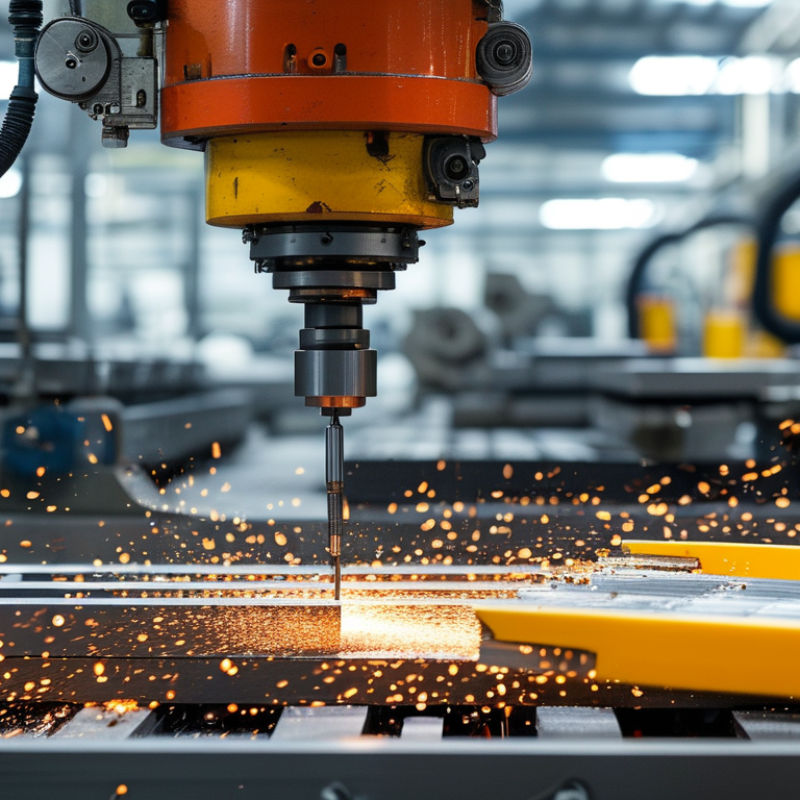
How to Optimize Machining Efficiency for Global Suppliers?

Understanding the Importance of Machining Efficiency in Global Supply Chains

Machining efficiency plays a crucial role in global supply chains. According to a report by McKinsey, companies that optimize machining processes can improve productivity by up to 20%. This is particularly important as global competition escalates. Enhanced efficiency leads to reduced production costs and shorter lead times, which are vital for meeting customer demands.

Several factors contribute to machining efficiency. For instance, advanced technologies such as CNC machining and additive manufacturing can minimize waste and increase precision. One study indicated that businesses adopting these technologies reported a 30% reduction in material scrap. However, it’s essential to acknowledge the challenges. Adoption of new technologies requires significant investment and training, which many suppliers may hesitate to implement fully.

Understanding the importance of machining efficiency goes beyond just technology. Employee engagement and skill development are key components. A report from the World Economic Forum shows that companies emphasizing workforce training experience a 15% boost in output. Yet, many organizations overlook this aspect. Balancing technology investment with employee development is crucial for achieving true efficiency in machining operations.

Identifying Key Factors That Influence Machining Efficiency

Machining efficiency is pivotal for global suppliers aiming to reduce costs and enhance productivity. Key factors significantly influence this efficiency, including machine utilization, tooling strategies, and workforce skill levels. According to a 2022 report by the International Society for Production Engineering, effective machine utilization can reach up to 85%, translating to lower operational costs and shorter lead times.

Tooling strategies are equally critical. A study by the Manufacturing Institute found that proper selection and maintenance of cutting tools can increase tool life by 30%, leading to fewer replacements and reduced downtime. A skilled workforce directly correlates to machining efficiency as well. Companies investing in ongoing training programs report a 25% increase in productivity, based on a 2021 industry survey. Yet, not all suppliers prioritize this investment, risking competitive disadvantages.

Despite advancements, some challenges remain. Many companies struggle with balancing automation and manual processes. Finding the right mix is essential, and suppliers often reflect on this aspect. Furthermore, identifying and addressing bottlenecks in production flow is a recurring issue. It requires constant evaluation and adaptation, demonstrating that optimizing machining efficiency is an ongoing journey.

Implementing Advanced Technologies to Enhance Machining Processes

Implementing advanced technologies in machining processes can significantly enhance efficiency for global suppliers. The machining industry is increasingly adopting automation, data analytics, and additive manufacturing. According to a 2022 report by the International Federation of Robotics, over 2.7 million industrial robots were operating worldwide, marking a 12% increase from the previous year. This trend indicates a shift towards more automated machining methods that reduce labor costs and increase productivity.

Data-driven decision-making is becoming crucial. Analyzing production data helps identify bottlenecks, ensuring smoother operations. However, many suppliers face challenges in integrating these advanced systems. A study by Deloitte found that only 42% of manufacturers have fully embraced Industry 4.0. This indicates a gap where companies are still relying on outdated processes, which can hinder competitiveness.

While automation drives efficiencies, it also prompts reflection on workforce impacts. Workers may feel threatened by technology, creating resistance to change. Training and reskilling programs are essential. The need for human oversight in complex tasks remains vital. Investing in employee education ensures a smooth transition to modern machining practices, balancing technology with human expertise.

Machining Efficiency Optimization - Advanced Technologies Impact

Developing a Continuous Improvement Strategy for Machining Operations

Developing a continuous improvement strategy for machining operations is critical in today’s competitive landscape. According to a report by IndustryWeek, implementing continuous improvement can boost machining efficiency by up to 30%. This approach helps identify inefficiencies, minimize waste, and enhance productivity. Engaging skilled operators in the process fosters a culture of improvement. Their insights often highlight overlooked areas for optimization.

Regularly auditing processes is essential. An analysis from the International Journal of Advanced Manufacturing Technology suggests that systems with consistent evaluations achieve 25% fewer defects. Focus on machine performance monitoring and operator feedback. Simple adjustments in tooling or scheduling can yield significant results.

Lean methodologies can also contribute to improvement. In a recent survey by McKinsey, 70% of companies successfully using lean practices reported increased operational efficiency. Start with pilot projects to test changes. This allows for manageable risk while gathering data for broader implementation. Consider setting clear metrics to evaluate performance and celebrate small wins to maintain momentum. Continuous improvement is an ongoing journey that requires commitment and adaptability.

Collaborating with Suppliers to Optimize Machining Efficiency Together

Effective collaboration with suppliers is crucial for optimizing machining efficiency. Open communication channels are essential. Regular meetings can help align goals and expectations. Sharing best practices and lessons learned from past projects fosters a culture of collaboration. Suppliers bring expertise that complements in-house capabilities. Leverage their insights to identify potential bottlenecks and inefficiencies.

Building strong relationships requires trust and transparency. Involve suppliers early in the design process. This can lead to better material choices and more efficient manufacturing methods. Encourage suppliers to propose innovative solutions. Their hands-on experience can reveal hidden opportunities for improvement. Regular feedback loops will enhance this partnership. Celebrate successes together, but also discuss areas needing improvement.

Tracking performance metrics is vital. Analyze data collaboratively to pinpoint inefficiencies. Address these issues openly, without assigning blame. Sometimes, initial solutions may not yield expected results. Adapting and evolving the strategy is part of the process. Emphasize a mindset of continuous improvement. This will foster a proactive approach to machining efficiency and strengthen supplier relationships.

How to Optimize Machining Efficiency for Global Suppliers?

Supplier Machining Process Cycle Time (min) Setup Time (min) Overall Equipment Effectiveness (OEE %)
Supplier A CNC Milling 15 2 85
Supplier B Turned Parts 20 3 80
Supplier C 3D Printing 10 1 90
Supplier D Laser Cutting 12 2 88
Supplier E Milling & Turning 25 5 75

FAQS

: What is the role of machining efficiency in supply chains?

: Machining efficiency is crucial for improving productivity and reducing costs. It helps meet customer demands more effectively.

How can companies improve machining efficiency?

Companies can enhance efficiency by adopting advanced technologies and optimizing machining processes. This can lead to better productivity.

What technologies contribute to machining efficiency?

Technologies like CNC machining and additive manufacturing can reduce waste and increase precision, benefiting overall production.

What is a common challenge in adopting new technologies?

Significant investment and necessary training can deter suppliers from fully implementing new technologies. This is a frequent barrier.

How important is employee training in machining processes?

Workforce training is essential for efficiency. Companies that focus on this see a notable increase in output.

Are there any risks associated with automation in machining?

Yes, workers may feel threatened by automation, leading to resistance. Proper training and communication are vital to ease worries.

What is the impact of data analytics on machining efficiency?

Data analytics helps identify production bottlenecks, enabling smoother operations and increased efficiency in processes.

What percentage of manufacturers have embraced Industry 4.0?

Approximately 42% of manufacturers have fully adopted Industry 4.0, indicating many still rely on outdated practices.

Why is balancing technology and human expertise important?

The complexity of tasks requires human oversight. Investing in employee education ensures better outcomes in modern machining.

What may happen if companies overlook workforce development?

Ignoring employee development can hinder overall efficiency, leading to a gap in productivity and competitiveness.

Conclusion

In today's competitive landscape, understanding how to optimize machining efficiency is crucial for global suppliers aiming to enhance their operations within supply chains. This involves recognizing the importance of machining efficiency and identifying the key factors that affect it, such as machine performance, workforce skills, and material quality.

To achieve optimal results, implementing advanced technologies can significantly enhance machining processes, leading to greater productivity and reduced waste. Furthermore, developing a continuous improvement strategy ensures that organizations remain adaptable and responsive to changing demands. Lastly, fostering collaboration with suppliers helps to share insights and best practices, collectively working towards maximizing machining efficiency across the supply chain.

Charlotte

Charlotte

Charlotte is a seasoned marketing professional with a deep understanding of the company's portfolio and a passion for elevating its presence in the market. With a keen eye for detail and a commitment to excellence, she ensures that our professional blog is regularly updated with insightful articles......