How to Maintain Industrial Machining Equipment Efficiently?

Time:2026-05-05 Author:Madeline
0%

Maintaining industrial machining equipment is crucial for operational efficiency. Proper maintenance not only prolongs the life of the machines but also ensures safety for operators. Many often overlook the importance of regular checks and updates, leading to unexpected breakdowns.

Understanding how to maintain industrial machining equipment requires both experience and knowledge. Regular inspections can prevent costly repairs and downtime. Utilizing the right tools and methods is essential. However, many technicians feel overwhelmed by the diverse range of equipment available, leading to mistakes in maintenance routines.

Investing time in training staff can significantly improve maintenance outcomes. However, even trained personnel can make errors due to lapses in judgment. Hence, adopting a systematic approach to maintenance is vital. This can not only enhance productivity but also contribute to a safer working environment.
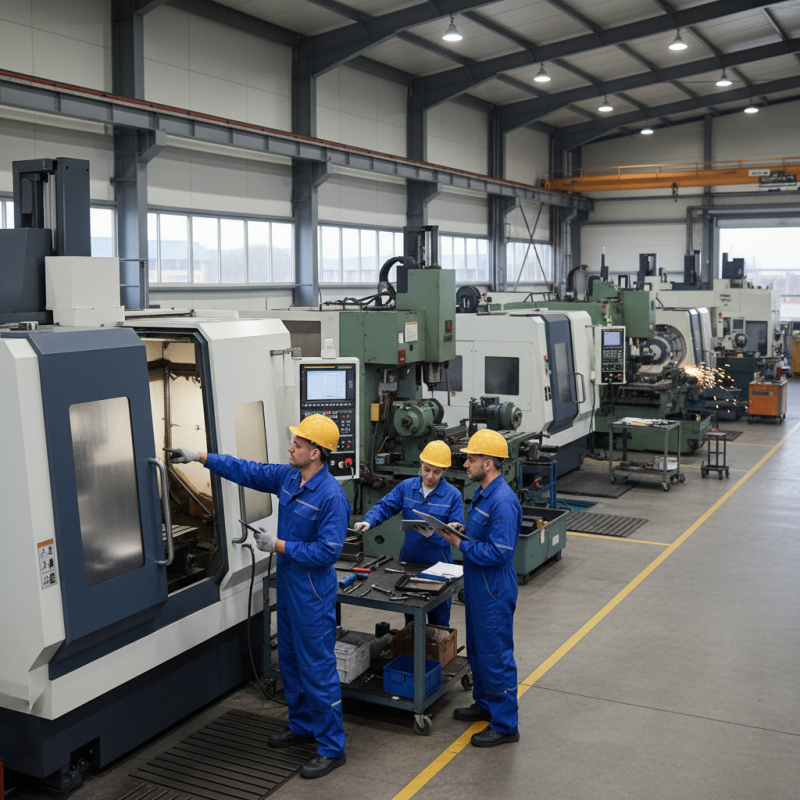
How to Maintain Industrial Machining Equipment Efficiently?

Best Practices for Daily Maintenance of Machining Equipment

Daily maintenance of industrial machining equipment is crucial for efficiency. Regular checks can prevent costly breakdowns. According to a report from the National Association of Manufacturers, proper maintenance can increase equipment lifespan by 30%. Simple tasks yield significant results.

Oil levels should be checked daily. Regular lubrication reduces friction and wear. This practice alone can decrease downtime by 25%. Filters must be cleaned routinely. Clogged filters lead to overheating and inefficiency, driving up operational costs.

Operators should maintain a detailed log. This log tracks maintenance activities and identifies recurring issues. It can reveal patterns needing attention. Setting reminders for inspections is vital. Often, the human factor causes lapses in maintenance. Small oversights can lead to major problems. Reflecting on these practices helps improve overall equipment reliability.

Implementing a Regular Inspection Schedule for Equipment Efficiency

Regular inspections are crucial for maintaining industrial machining equipment. The *National Institute of Standards and Technology* indicates that proper maintenance can reduce downtime by over 30%. A well-planned inspection schedule helps in identifying potential issues before they escalate, ensuring productivity is maximized. Technicians should check for wear and tear, unusual noises, or inconsistent performance at regular intervals. These observations often reveal underlying problems that can be addressed early.

Data from the *American Society of Mechanical Engineers* shows that 20% of machine failures result from inadequate inspections. Often, issues go unnoticed without a comprehensive strategy. Technicians can utilize a checklist during inspections to cover all vital areas efficiently. An example would be checking lubrication levels and alignment regularly. Documentation of these inspections also provides valuable insights over time. It can highlight recurring problems, indicating the need for better interventions or upgrades.

While inspections yield significant benefits, they come with challenges. Technicians may overlook minor issues due to time constraints. Busy schedules can lead to rushed checks, undermining reliability. Regular training can help minimize oversight. Despite the challenges, the value of a robust inspection schedule cannot be overstated for long-term equipment performance.

Essential Tools and Techniques for Effective Machine Cleaning

Cleaning industrial machining equipment is crucial for optimal performance. Regular maintenance can prevent costly breakdowns. Effective cleaning techniques vary, but several essential tools can help. High-pressure washers are effective for removing heavy dirt and grease. They save time and enhance the cleaning process. Ensure you use appropriate nozzles for different surfaces to avoid damage.

Another critical cleaning tool is ultrasonic cleaners. These devices are especially useful for intricate parts. They use high-frequency sound waves to eliminate contaminants. However, they require careful handling to guarantee safety. Employing solvents specific to the machine's materials can also improve cleaning efficacy. Always check compatibility to avoid harmful reactions.

Regularly scheduled cleaning routines play an important role. Having a checklist can help ensure that no step is overlooked. While some areas might be easy to clean, others may need more attention. Feedback from staff can lead to better cleaning practices. Reflecting on past cleaning outcomes helps refine future efforts.

Efficiency of Industrial Machining Equipment Maintenance

Understanding Common Wear and Tear in Machining Tools

Machining tools are essential in the manufacturing sector. They experience common wear and tear that affects productivity. Studies show that nearly 30% of downtime in manufacturing is due to tool-related issues. Regular maintenance can mitigate these factors.

Common issues include tool wear, chip buildup, and misalignment. Tool wear affects cutting efficiency. In fact, research indicates that worn tools can decrease productivity by up to 20%. Also, new tools may initially require adjustments for optimal performance.

Chip buildup can lead to overheating and further damage. Cleaning tools after each use can help maintain efficiency. Misalignment adds undue stress, accelerating wear. Regular checks and calibrations can prevent alignment issues. Keeping detailed records of maintenance and tool performance is crucial for efficiency.

Strategies for Training Staff on Equipment Maintenance Protocols

Training staff on equipment maintenance protocols is crucial for efficient operations. A structured program is necessary. Routine training sessions can improve staff confidence. These sessions should cover daily checks, proper usage, and troubleshooting. Hands-on workshops are particularly effective. They allow employees to engage directly with the equipment.

Incorporating real-life scenarios into training fosters problem-solving skills. Consider sharing past equipment failures and their resolutions. This approach encourages critical thinking. Staff should understand the implications of neglecting maintenance. Visual aids, like posters and checklists, can reinforce learning. Regular refresher courses also help maintain knowledge retention.

Encourage feedback from staff on training effectiveness. This feedback loop is vital for continuous improvement. Not every training session will be perfect. Some employees may feel overwhelmed. Adjusting the pace and content based on their feedback can enhance learning experiences. Keep the training environment open and supportive for everyone.

FAQS

: Why are regular inspections important for industrial equipment?

: Regular inspections help identify potential issues early, preventing major breakdowns and ensuring productivity.

What percentage of machine failures result from inadequate inspections?

Approximately 20% of machine failures stem from inadequate inspections, highlighting the need for a thorough approach.

What tools can help in cleaning machining equipment effectively?

High-pressure washers and ultrasonic cleaners are essential tools for effective cleaning in industrial settings.

How can improper cleaning techniques affect equipment?

Improper cleaning can lead to buildup of contaminants, overheating, and ultimately costly breakdowns.

What common issues arise from wear and tear on machining tools?

Common issues include tool wear, chip buildup, and misalignment, all of which can hinder productivity.

How can technicians ensure they do not overlook issues during inspections?

Using a checklist during inspections helps cover all vital areas and reduces the chance of oversight.

What role does regular maintenance play in tool efficiency?

Regular maintenance reduces downtime and enhances the efficiency of machining tools by preventing wear-related issues.

Why is documenting inspections important?

Documentation provides insights into recurring problems and helps identify the need for future interventions or upgrades.

How does chip buildup affect tool performance?

Chip buildup can lead to overheating, which damages tools and reduces overall performance efficiency.

What can be done to refine cleaning practices over time?

Gathering feedback from staff and reflecting on past cleaning outcomes can lead to improved cleaning efforts.

Conclusion

Efficient maintenance of industrial machining equipment is crucial for ensuring optimal performance and longevity. To achieve this, it's essential to follow best practices for daily maintenance, which include regular cleaning and lubrication of machines. Implementing a consistent inspection schedule can further enhance equipment efficiency by identifying issues before they escalate into major problems.

Additionally, understanding common wear and tear in machining tools allows for proactive measures to be taken, reducing downtime and costly repairs. Training staff on proper maintenance protocols is vital, as well-informed employees are more likely to adhere to best practices. By leveraging essential tools and techniques for effective machine cleaning, businesses can create a more reliable and efficient manufacturing environment. Ultimately, knowing how to maintain industrial machining equipment is key to maximizing productivity and minimizing operational disruptions.

Madeline

Madeline

Madeline is a dedicated marketing professional with a wealth of expertise in our company's core offerings. With a keen understanding of the industry, she brings a unique perspective to her role, consistently delivering high-quality content that highlights the superior aspects of our products. As......