Top 5 Latest Trends in CNC Machining Technology 2026?

Time:2026-06-01 Author:Sophia
0%

The CNC machining industry is evolving rapidly, driven by technological advancements and market demands. As we approach 2026, many manufacturers are asking, "what are the latest trends in CNC machining technology?" Understanding these trends can enhance productivity and improve quality.

Artificial intelligence and automation are at the forefront. These technologies streamline processes, reducing errors and lead times. Moreover, the rise of advanced materials allows for greater design flexibility. 3D printing is also becoming more integrated, enabling rapid prototyping and custom solutions. However, not all companies adapt swiftly to these changes. Some may find themselves lagging behind.

Sustainability is gaining momentum too. Eco-friendly practices in CNC machining are increasingly sought after. Consumers and businesses prioritize manufacturers committed to reducing waste and energy consumption. Yet, the challenge lies in balancing innovation with sustainability. As the industry evolves, staying informed about these trends is crucial for future success.
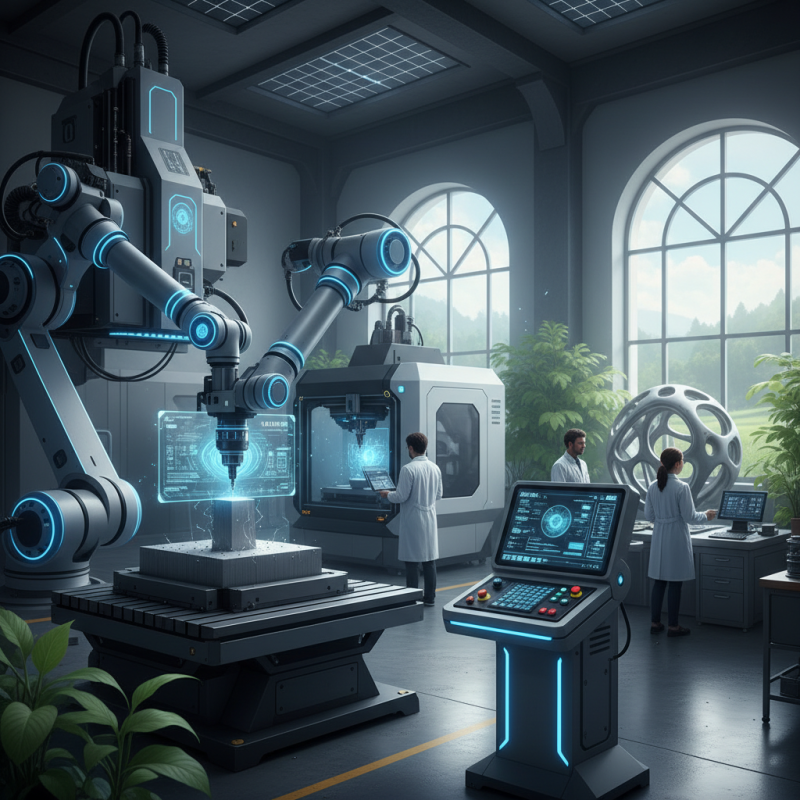
Top 5 Latest Trends in CNC Machining Technology 2026?

Emergence of Automation and AI in CNC Machining Processes

The evolution of CNC machining technology is significantly influenced by automation and artificial intelligence (AI). In recent years, a notable shift has been observed towards integrating AI within CNC processes. According to a 2026 report by the International Federation of Robotics, automation in CNC machining is predicted to increase by over 40% by 2027. This trend highlights an urgent need for manufacturers to adapt quickly.

AI algorithms can optimize machining cycles by predicting tool wear and suggesting adjustments. A recent study indicated that incorporating AI can result in up to a 30% increase in production efficiency. However, this reliance on technology raises concerns about over-dependence. Operators must still possess skills to troubleshoot and maintain these advanced systems. The balance between automation and human expertise is critical in the long term.

The advent of smart factories also brings challenges. Data security becomes paramount as machines become interconnected. A report from MIT emphasizes that roughly 70% of manufacturers are unprepared for cybersecurity threats in automated systems. There needs to be a more robust framework to safeguard sensitive data while enjoying the benefits of this advanced technology. The industry must reflect on these emerging issues to ensure sustainable growth.

Advancements in Material Science Driving CNC Machining Innovations

Recent advancements in material science are reshaping CNC machining technology. Researchers are discovering new alloys and composites. These materials are lighter, stronger, and more durable than traditional options. This evolution reduces tooling wear and enhances precision. Engineers can achieve tighter tolerances and finer surface finishes. The result is increased efficiency in manufacturing processes.

Additionally, the introduction of smart materials offers exciting possibilities. Shape memory alloys can change properties in response to stimuli. This functionality might lead to new applications in aerospace and medical fields. However, some challenges remain. These materials often require specialized handling and may not be compatible with all existing workflows.

Another key trend is the rise of additive manufacturing techniques. They complement CNC machining by enabling complex geometries. This approach reduces waste and saves cost. But not everyone is prepared for this transition. Training and investment in technology are necessary. Both industries need to adapt to harness these innovations fully. The journey is ongoing, and the future holds great promise.

Top 5 Latest Trends in CNC Machining Technology 2026

Trend Description Impact Key Materials Expected Benefits
Advanced Material Composition Utilization of composite materials in CNC machining. Improved strength-to-weight ratios. Carbon fiber, aluminum composites Reduced material costs and enhanced performance.
Automation and Robotics Integration of robotics for precision machining. Increased efficiency and reduced human error. Machinable metals, plastics Higher output and safety improvement.
Smart Manufacturing Use of IoT and AI for process optimization. Data-driven decision-making. Metal alloys, polymers Lower downtime and improved product quality.
Sustainability in Machining Focus on eco-friendly processes and materials. Reduction of environmental impact. Biodegradable materials Enhanced brand reputation and compliance.
3D Printing Integration Combining CNC machining and additive manufacturing. Greater design freedom. Polymers, metals Reduced material waste and prototyping time.

Integration of IoT for Smart Manufacturing in CNC Operations

The integration of the Internet of Things (IoT) in CNC machining is transforming smart manufacturing. As of 2026, over 70% of manufacturing companies are expected to adopt IoT technologies. This shift leads to improved efficiency and productivity. Real-time data collection allows for better decision-making. Data from sensors can pinpoint machine issues before they escalate.

For instance, predictive maintenance is becoming more common. A study shows that companies using IoT for maintenance can reduce downtime by up to 40%. Smart CNC machines can communicate their status directly to operators. This two-way communication creates a responsive manufacturing environment.

However, challenges remain. Cybersecurity is a major concern as machines become more interconnected. Hacking incidents in manufacturing increased by 30% last year. Companies must invest in robust security measures to protect their systems. Overall, the road to IoT integration is promising yet requires careful consideration to navigate potential risks.

Sustainability Trends Influencing CNC Machining Technologies

Sustainability is increasingly shaping the future of CNC machining technologies. More companies are prioritizing eco-friendly practices. This shift results from growing environmental concerns and regulatory changes. Manufacturers aim to reduce waste and energy consumption. They seek processes that support a circular economy.

One important trend is the use of biodegradable materials. These materials minimize environmental impact. They can replace traditional plastics in various applications. Additionally, CNC machines are becoming more energy-efficient. Advanced automation reduces energy usage during production. This not only cuts costs but also lessens carbon footprints.

However, challenges remain. Transitioning to sustainable practices often requires significant investment. Many small businesses struggle to afford new technologies. There is a learning curve in adopting eco-friendly processes. As industries evolve, it is crucial to find balance. Striving for sustainability must align with economic viability for all players.

Top 5 Latest Trends in CNC Machining Technology 2026

The following chart illustrates the percentage adoption of the latest trends in CNC machining technology as of 2026. These trends reflect the increasing focus on sustainability, automation, and advanced materials in the manufacturing industry.

Enhanced Software Solutions for Precision and Efficiency in CNC Machining

The advancement of software solutions is a game changer in CNC machining. These tools enhance precision and overall efficiency significantly. Real-time monitoring features allow operators to track machine performance closely. This reduces downtime and ensures optimal productivity. With improved algorithms, it’s easier to predict tool wear and adjust parameters accordingly.

However, integrating advanced software comes with challenges. Some operators may struggle with the complexity of new systems. It requires training and a shift in mindset. While the potential for increased efficiency is high, reliance on technology can lead to errors if not properly managed. Proper documentation and ongoing education are critical for success in this evolving landscape.

Additionally, data security is a growing concern. As machines become more connected, they are vulnerable to cyber threats. Companies must develop robust cybersecurity measures. Balancing technology with hands-on skills will be essential for future success. It's an exciting yet complex path forward in CNC machining.

FAQS

: What are recent advancements in material science affecting CNC machining?

: New alloys and composites are lighter, stronger, and more durable than traditional materials.

How do these new materials benefit CNC machining processes?

They reduce tooling wear and enhance precision, allowing for tighter tolerances and finer finishes.

What are smart materials, and how do they relate to CNC machining?

Smart materials, like shape memory alloys, can change properties with stimuli, offering new applications in aerospace and medical fields.

What challenges do smart materials present in CNC machining?

They require specialized handling and may not fit with all existing workflows.

How is additive manufacturing influencing CNC machining?

Additive techniques enable complex geometries, reduce waste, and can save costs in manufacturing processes.

Why might companies hesitate to transition to additive manufacturing?

Training and technology investment are necessary, and some companies may not be ready for change.

What role do software solutions play in CNC machining?

Enhanced software improves precision and efficiency through real-time monitoring and predictive algorithms.

What challenges exist with integrating advanced software in CNC machining?

Operators may struggle with complexity, requiring training and a shift in mindset.

Why is data security important in CNC machining?

As machines connect more, they become vulnerable to cyber threats, necessitating strong cybersecurity measures.

How can companies ensure success in CNC machining's evolving landscape?

Balancing technology with hands-on skills, proper documentation, and ongoing education is essential.

Conclusion

The landscape of CNC machining technology in 2026 is being shaped by several transformative trends that enhance efficiency and sustainability. One prominent trend is the emergence of automation and artificial intelligence, which streamline machining processes, reduce human error, and optimize production. Additionally, advancements in material science are fostering innovations that allow for stronger, lighter components tailored to specific applications, further enhancing performance.

What are the latest trends in CNC machining technology also includes the integration of the Internet of Things (IoT), enabling smarter manufacturing through real-time data collection and analysis. Sustainability concerns are driving companies to adopt eco-friendly practices and materials, aligning CNC operations with environmental goals. Lastly, the development of enhanced software solutions is improving precision and operational efficiency, making CNC machining more adaptable to diverse manufacturing needs. Together, these trends are revolutionizing the industry and paving the way for a more advanced and responsible future in CNC machining.

Sophia

Sophia

Sophia is a dedicated marketing professional with an exceptional depth of knowledge about her company's products and services. With a keen understanding of market trends and customer needs, she crafts insightful blog posts that not only inform but also engage readers, enriching the company’s online......