What Industries Rely Heavily on Machining Equipment in 2026?

Time:2026-06-13 Author:Aria
0%

In 2026, the landscape of manufacturing continues to evolve rapidly. As industries grow and adapt, the importance of machining equipment cannot be overstated. Many sectors depend on precision and efficiency, making it essential to explore what industries rely heavily on machining equipment. This examination reveals insights into both traditional and emerging markets.

The aerospace industry is one of the largest users of machining technology. This sector requires components that meet strict safety and quality standards. The automotive industry also demands precision machining for parts that enhance vehicle performance and safety. This necessity fosters innovation, but it also raises challenges in cost management and sustainability.

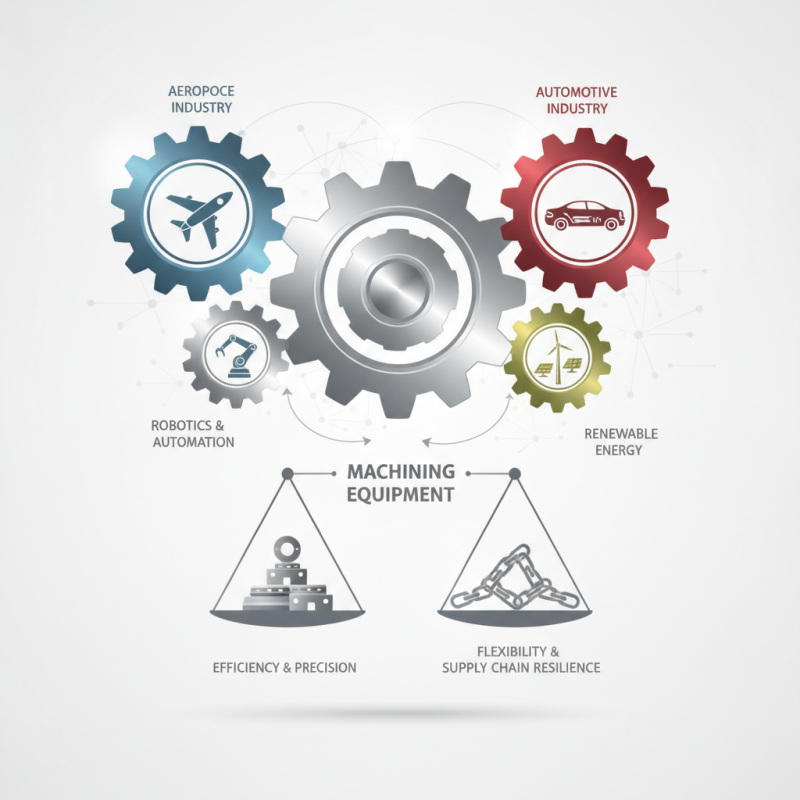
However, it’s worth reflecting on these dependencies. While these industries benefit from advanced machining, reliance on such equipment can be a double-edged sword. Interruptions in supply chains can halt production lines, revealing vulnerabilities. Companies need to balance efficiency with flexibility. Ultimately, understanding this equilibrium will be vital for future advancements in machining and its applications.
What Industries Rely Heavily on Machining Equipment in 2026?

Industries Adopting Advanced Machining Equipment by 2026

In 2026, several industries are poised to adopt advanced machining equipment significantly. The automotive sector will lead the way, utilizing precise machining to improve fuel efficiency and reduce emissions. Advanced CNC machines enable manufacturers to create lighter components, meeting demanding regulations. This transition requires ongoing training and upskilling of workers to ensure efficiency.

Aerospace is another major industry embracing new machining technologies. The need for complex geometries in aircraft components drives innovation. 3D machining tools now allow for the creation of intricate parts with minimal waste. However, the high costs of such advanced equipment may pose challenges for smaller firms.

Medical device manufacturing follows these trends closely. The precision required in creating implants and surgical tools necessitates cutting-edge machining solutions. Many facilities struggle with the integration of new technology due to budget constraints. There is a pressing need for industry-wide standards to ensure safety and reliability amid these advancements.

The Aerospace Sector's Dependence on Precision Machining Technologies

The aerospace sector relies heavily on precision machining technologies. These technologies ensure the accuracy and reliability of critical components. Aircraft parts must withstand extreme conditions. Even a small error can lead to catastrophic results. This is why machining processes are vital, ensuring high tolerances.

In 2026, the demand for advanced machining solutions will likely soar. Machining allows manufacturers to create complex geometries. These shapes are essential for efficiency in flight. Engineers constantly seek innovative approaches. They aim to enhance performance while reducing weight. The integration of automation and smart machining practices may help meet these demands.

However, challenges remain. The evolving technology landscape creates both opportunities and uncertainties. Skilled labor is also a concern; finding experts in precision machining can be difficult. As the industry grows, organizations must invest in training. They need to ensure their teams are equipped with the latest skills. Navigating these obstacles will be crucial for the aerospace sector's ongoing success.

What Industries Rely Heavily on Machining Equipment in 2026?

Industry Machining Equipment Utilization (%) Key Machining Technologies Primary Applications
Aerospace 90% CNC Machining, EDM Component manufacturing, Structural parts
Automotive 85% Milling Machines, Lathes Engine components, Gearboxes
Medical Devices 75% CNC Machining, Laser Cutting Surgical instruments, Implants
Defense 80% 5-Axis Machining, Welding Weapon systems, Tactical equipment
Oil & Gas 70% CNC Milling, Boring Drilling equipment, Pumps

Automotive Manufacturing: Trends in CNC Machining Utilization

The automotive manufacturing industry is rapidly evolving, with CNC machining at its core. These machines provide precise and efficient parts for vehicles. In 2026, companies must embrace advancements in CNC technology to stay competitive. The demand for intricate designs and lightweight materials pushes manufacturers to innovate.

However, adapting to new CNC machining trends is challenging. Skilled professionals are essential, but there is a noticeable skills gap. This gap results in delays and potential production errors. Maintaining a balance between high-tech equipment and workforce training is critical. Companies often struggle to find this equilibrium.

Sustainability is another pressing concern. As manufacturers utilize CNC machines, they generate significant waste. Efficient waste management practices can mitigate environmental impact. Yet, many companies fall short in their efforts. Addressing sustainability while delivering high-quality products is a complex issue that needs careful attention.

Medical Equipment Production and Its Need for Advanced Machining Solutions

The medical equipment industry faces growing demands for precise and reliable components. As technological advancements continue, the need for advanced machining solutions becomes critical. According to a 2023 report by the Medical Device Manufacturers Association, the medical device market is projected to reach $600 billion by 2026. This growth directly correlates with the increasing reliance on machining equipment.

Machining plays a pivotal role in producing surgical instruments, imaging devices, and orthopedic implants. Precision machining ensures that these components meet stringent quality standards. In fact, errors in manufacturing can lead to serious consequences in medical applications. A 2022 study by the National Institute of Standards and Technology highlighted that a mere 0.1 mm deviation could compromise device effectiveness.

Despite advancements, challenges persist. Many manufacturers struggle with balancing cost-efficiency and precision. Innovative machining technologies may offer solutions, yet achieving consistency remains elusive. The industry must reflect on its practices to adopt more reliable processes. Investing in skilled labor and advanced machinery will be essential to meet the evolving needs of the medical sector.

Energy Sector Innovations: Machining Equipment in Renewable Energy Production

The renewable energy sector is transforming rapidly. Innovations in machining equipment are pivotal in this shift. Precision machining allows for the production of complex components in wind turbines and solar panels. These components require exact specifications to ensure efficiency. Each part plays a critical role in harnessing energy effectively.

Machining equipment addresses the growing demand for renewable energy sources. However, challenges exist. Often, machinery needs to be modified to meet new material requirements. This can result in unexpected costs and delays. Companies must constantly adapt their processes. It's not just about reducing waste; it's also about maximizing performance.

As this industry evolves, collaboration will be essential. Engineers must work closely with manufacturers. They need to find solutions that bridge gaps in technology. Quality assurance processes will become increasingly important. Ensuring that every component meets high standards is crucial for the industry’s credibility and success.

FAQS

: Why is precision machining important in the aerospace sector?

: Precision machining ensures accuracy and reliability in critical aerospace components. Even small errors can lead to serious failures.

What challenges does the aerospace sector face in machining?

The sector struggles with finding skilled labor and navigating rapid technology changes. Training workers is essential yet often overlooked.

How will demand for machining solutions change by 2026?

Demand is expected to rise significantly. Advanced machining will be required to create complex geometries for improved flight efficiency.

What role does CNC machining play in automotive manufacturing?

CNC machining is central to producing precise vehicle parts. It supports innovations needed for intricate designs and lightweight materials.

What are the sustainability challenges in CNC machining?

CNC machining generates considerable waste. Many manufacturers fail to implement effective waste management practices, impacting sustainability efforts.

How does precision machining affect renewable energy production?

It enables the creation of complex components for wind turbines and solar panels, essential for energy efficiency.

What difficulties do companies face when modifying machining equipment?

Modifying machinery to meet new material needs can lead to unexpected costs and delays, complicating production processes.

Why is collaboration important in the evolving energy sector?

Engineers must collaborate with manufacturers to address technology gaps. It helps in maximizing performance and ensuring quality.

What must companies focus on to ensure quality in precision machining?

Companies should enhance quality assurance processes to meet high standards. Consistent quality is vital for industry credibility.

Why is workforce training critical in both aerospace and automotive sectors?

A skilled workforce is necessary to operate advanced machinery. Training programs need to match technological advancements in the industry.

Conclusion

In 2026, several industries will significantly depend on advanced machining equipment to enhance their production capabilities. Notably, the aerospace sector will rely heavily on precision machining technologies to ensure the safety and reliability of aircraft components. Similarly, automotive manufacturing is expected to see increased utilization of CNC machining, driven by the demand for high-quality, efficient production processes and the integration of smart technologies.

Medical equipment production will also emerge as a critical area where advanced machining solutions are vital for creating accurate and innovative devices. Moreover, the energy sector is poised for transformation, with machining equipment playing a crucial role in the development of renewable energy technologies. Overall, understanding what industries rely heavily on machining equipment reveals the profound impact of these technologies across diverse fields, shaping the future of manufacturing and innovation.

Aria

Aria

Aria is a dedicated marketing professional with a deep passion for innovative strategies and a keen understanding of our company's product offerings. With a wealth of experience in the industry, Aria excels at crafting engaging content that highlights the unique features and benefits of our......