What is the Importance of Boring in Machining Processes?

Time:2026-09-05 Author:Charlotte
0%

Boring is a crucial process in machining. It enhances the precision of holes, ensuring that components fit perfectly. According to John Smith, a respected engineer in the machining industry, "Boring not only refines dimensions but also elevates the quality of the final product." His insights highlight a core question: what is the role of boring in machining?

Boring allows for significant adjustments in size and tolerances. The process involves removing material to create a smooth, accurate inner diameter. This capability is essential in sectors like aerospace and automotive manufacturing. Yet, despite its importance, some companies overlook proper boring techniques.

Mistakes in boring can lead to costly repercussions. Poor alignment during the process can create misfit parts. This sometimes results in wasted materials and time. Continuous improvement and training are vital. Understanding what is the role of boring in machining can ensure that projects meet industry standards and client expectations. It invites a reflection on the need for expertise in this essential machining process.
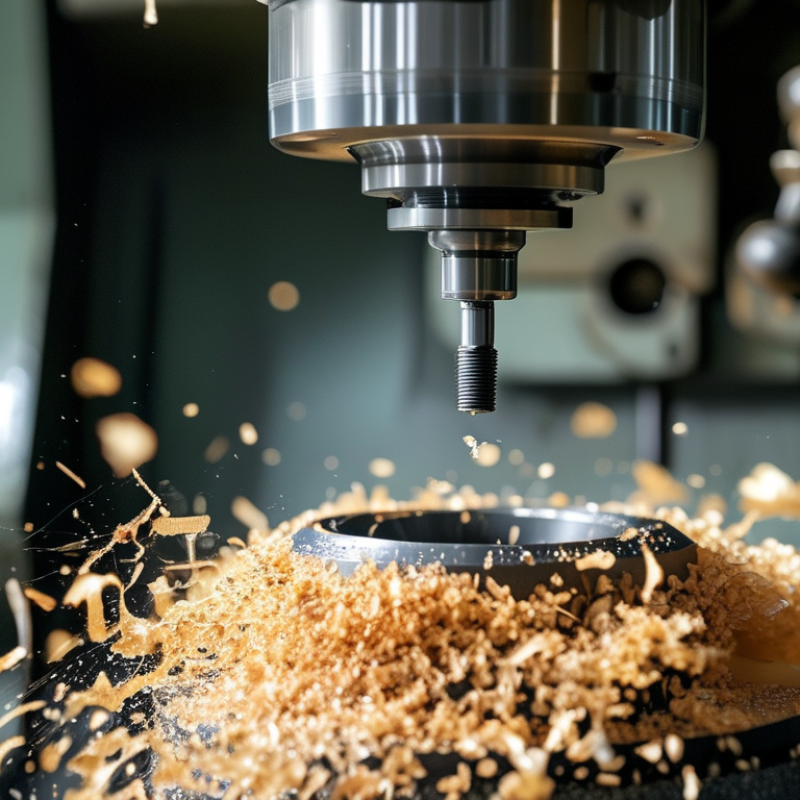
What is the Importance of Boring in Machining Processes?

Definition and Overview of Boring in Machining Processes

Boring is a critical process in machining that involves enlarging holes to precise diameters. It differentiates itself from drilling, where initial holes are made. Boring ensures that existing holes are accurate in both size and finish. This precision is essential for components that must fit together perfectly. Without proper boring, even minor discrepancies can lead to significant assembly issues.

The technique can utilize various tools and methods. Boring heads and boring bars are common instruments in this process. These tools allow for fine adjustments, achieving the desired dimensions with high reliability. However, operators must be skilled. Misjudgments in tool setup can lead to errors, creating oversized or uneven holes. Such mistakes emphasize the need for thorough training and meticulous planning.

In many industries, the importance of boring cannot be overstated. It is vital in sectors like aerospace, automotive, and manufacturing. Boring affects the quality and performance of finished products. Faulty boring can compromise structural integrity, leading to safety concerns. Thus, it is critical to approach this process thoughtfully, integrating quality checks and continuous learning into everyday practices.

The Role of Boring in Achieving Precision and Tolerance

Boring is a critical process in machining, pivotal for achieving high precision and tight tolerances. This technique allows manufacturers to enlarge existing holes with incredible accuracy. The boring tool's ability to remove material from the inside of a workpiece ensures that dimensions stay consistent and precise. This is especially important in industries where exact specifications are non-negotiable, such as aerospace and automotive.

However, the process is not without challenges. Factors like tool wear, machine stability, and workpiece material can affect outcomes. Inadequate tool maintenance can lead to vibrations that compromise tolerance levels. Even with advanced technology, achieving perfect precision can be an elusive goal. It's essential for machinists to continually assess their tools and processes for improvement. Each boring operation provides an opportunity for reflection and refinement. Balancing precision with practical limitations often requires innovative thinking and problem-solving. This dynamic nature of boring keeps the machining process engaging and continually evolving.

Comparison of Boring with Other Machining Techniques

Boring is a fundamental machining process that enhances the accuracy of holes in various materials. When comparing boring with other machining techniques, its specific advantages become apparent. According to industry studies, up to 40% of production costs in machining arise from inefficiencies. Boring, with its ability to create precise diameters, often reduces the need for secondary operations, thereby saving time and resources.

CNC boring is noted for its precision. In controlled environments, it achieves tolerances as tight as 0.001 inches. This capability makes it preferable over techniques like drilling when high accuracy is required. While drilling creates holes, boring refines them, making it essential for applications in aerospace and automotive industries. Reports indicate that 30% of failures in such sectors are due to poor hole accuracy, emphasizing the need for reliable boring processes.

Evaluating the pros and cons can be enlightening. Boring requires specialized tools and setup time, which may deter some operators. However, understanding its long-term benefits can outweigh initial costs. Efficient planning and resource allocation are crucial for maximizing productivity. Investing time in selecting the right tooling and setup reduces waste and increases output. Keeping a close watch on machine calibration can also ensure superior results.

Applications of Boring in Various Industries

Boring is a vital machining process used across many industries. It helps create precise and uniform cylindrical holes. In sectors such as automotive, boring ensures that engine components fit together perfectly. It is crucial for producing parts that can withstand high pressures. However, many manufacturers overlook the importance of proper tool selection. Using inappropriate tools can lead to excessive wear and reduced accuracy.

In the aerospace industry, boring is similarly important. Components like turbine housings require exact dimensions. Inconsistent boring can result in functional failures. Furthermore, the medical field relies on boring for implants and surgical instruments. Precision in these items can directly affect patient outcomes. Nevertheless, some operators may rush the boring process, increasing the risk of defects.

The construction industry also benefits from boring machines. They are essential for creating tunnels and foundations. Yet, techniques must evolve to address material challenges. Adapting boring methods to various materials can be complex and requires continuous training. This highlights a need for ongoing education and adjustment within the workforce. Emphasizing the importance of skill and knowledge in boring can lead to better outcomes across these diverse fields.

Challenges and Innovations in Boring Technology

In the realm of machining processes, boring technology plays a crucial role. It is essential for achieving precision in hole dimensions and improving surface quality. However, the industry faces significant challenges. According to a report by the International Journal of Advanced Manufacturing Technology, over 40% of machining errors are linked to inefficient boring techniques. This highlights the need for innovative solutions.

One of the most pressing issues is tool wear. As boring tools operate under high stress, they can wear out quickly, leading to decreased accuracy. Recent advances in materials and coatings have shown promise. For instance, carbide tools with advanced coatings can significantly extend tool life. This progress can reduce production costs. However, the adoption of such innovations has not been universal.

Data from a survey by the Machining Industry Association reveals that 30% of manufacturers still rely on outdated boring processes. This gap in technology adoption raises questions about competitiveness. Continuous investment in research and development is vital. Exploring new boring methods and technologies could bridge this gap. The industry's ability to innovate will determine its future success in precision machining.

FAQS

: What is boring in machining?

: Boring is a process that enlarges existing holes to precise diameters. It enhances size accuracy and finish quality.

How does boring differ from drilling?

Drilling creates initial holes, while boring refines them for precise dimensions. Both processes serve different purposes.

Why is precision important in boring?

Precision ensures components fit perfectly. Minor discrepancies can lead to significant assembly issues, impacting product quality.

What tools are commonly used in boring?

Boring heads and boring bars are popular tools. They allow fine adjustments for achieving desired dimensions accurately.

What challenges does the boring industry face?

Tool wear is a major issue. High stress can lead to quick wear, affecting accuracy and production efficiency.

Are manufacturers adopting new boring technologies?

Many manufacturers are not. Data shows 30% still use outdated techniques, raising competitiveness concerns.

How can innovation improve boring processes?

Advances in materials and coatings can extend tool life. New technologies could enhance efficiency and reduce costs.

Why is training important for boring operators?

Skilled operators can prevent misjudgments in tool setup. Errors can create oversized or uneven holes, leading to waste.

What sectors rely heavily on boring?

Aerospace, automotive, and manufacturing sectors depend on precise boring. Faulty processes can compromise structural integrity.

How can embracing continuous learning help in boring?

Ongoing education and quality checks can improve outcomes. It fosters adaptation to new techniques and industry demands.

Conclusion

Boring is a crucial machining process that involves the enlargement of existing holes to achieve precise diameters and smooth finishes. What is the role of boring in machining? It fundamentally aids in attaining high levels of precision and tight tolerances, which are essential in various applications, from automotive to aerospace manufacturing. Compared to other machining techniques, boring is distinguished by its ability to enhance accuracy and surface quality, setting it apart as a preferred choice for specific tasks.

The importance of boring extends across multiple industries, with its applications ranging from creating complex components to ensuring the fit and functionality of machine parts. However, the process is not without its challenges, including tool wear and the need for innovative technology to improve efficiency and effectiveness. Advancements in boring technology continue to push the boundaries of what is possible, ensuring that it remains a vital component of modern machining practices.

Charlotte

Charlotte

Charlotte is a seasoned marketing professional with a deep understanding of the company's portfolio and a passion for elevating its presence in the market. With a keen eye for detail and a commitment to excellence, she ensures that our professional blog is regularly updated with insightful articles......