Top 5 Factors Affecting Machining Quality for Buyers

Time:2026-05-11 Author:Amelia
0%

Machining quality is crucial in manufacturing. Understanding what factors affect machining quality is essential for buyers aiming for precision and efficiency. Reports indicate that up to 70% of production costs are linked to machining processes. This highlights the importance of optimizing various factors.

Tool material, feed rates, and cutting speeds significantly impact machining outcomes. For instance, World Manufacturing Forum data shows that improper tool choice can lead to a 30% increase in waste. These statistics reflect the complexities buyers face in ensuring machining excellence.

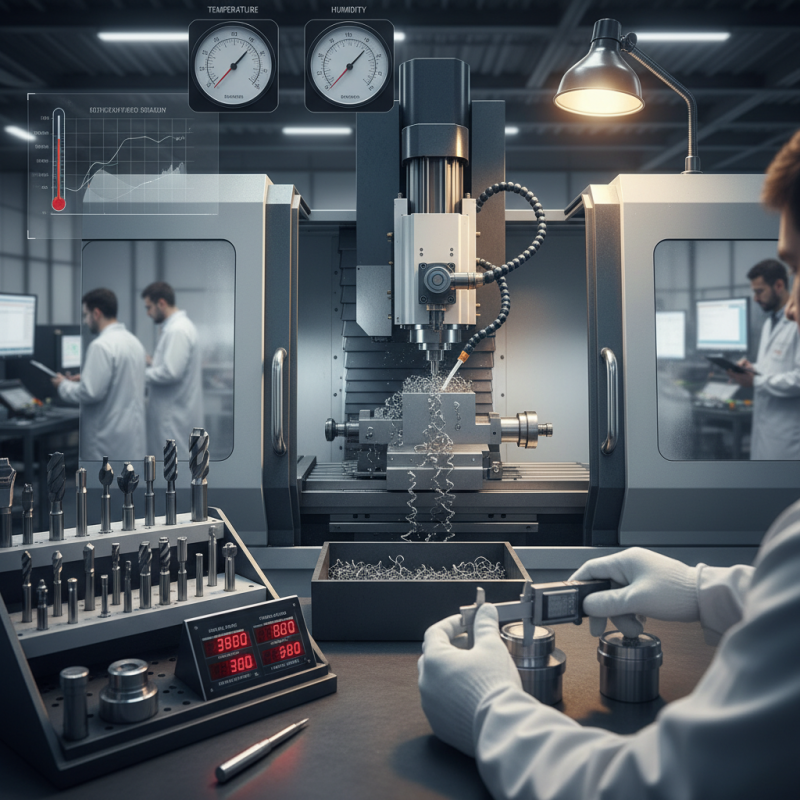
Manufacturers must assess their equipment and processes. Minor changes can yield substantial improvements. However, many overlook the impact of environmental factors, such as temperature and humidity. Recognizing these influences often leads to necessary adjustments. The quest for high-quality machining is an ongoing journey, requiring constant vigilance and adaptation.
Top 5 Factors Affecting Machining Quality for Buyers

Factors Impacting Material Selection in Machining Quality Improvement

Material selection plays a crucial role in improving machining quality. Choosing the right material can dramatically affect the final product's precision and durability. For example, harder materials may pose challenges in cutting and tool wear. Conversely, softer materials can lead to faster machining but may compromise strength. Understanding these trade-offs is key.

Machining processes must consider factors like tensile strength and thermal conductivity. These attributes influence how materials interact with tools under various conditions. Poor material choices can result in defects, increasing waste and production costs. Not all materials perform the same way, even under identical conditions. Test results can vary, which is often overlooked in initial assessments.

It's essential to reflect on real-world performance. Some materials perform well in theory but fail in practice. Buyers should prioritize comprehensive testing before making decisions. Collaborating with machining experts can provide insights into materials that deliver consistent quality. Failing to do so may lead to suboptimal quality and increased production issues. A thoughtful approach to material selection can prevent costly mistakes and enhance overall machining reliability.

The Role of Tool Condition and Maintenance in Achieving Precision

The condition and maintenance of machining tools play a significant role in achieving precision. According to a report by the National Institute of Standards and Technology, approximately 30% of machining errors stem from tool wear. Regular monitoring of tool conditions can help enhance machining quality and reduce these errors. Proper maintenance strategies, like cleaning and sharpening tools, directly contribute to more consistent outcomes.

Data from industry studies indicate that well-maintained tools can improve production efficiency by nearly 25%. This efficiency results from minimized tool replacement times and reduced machine downtime. However, ignoring tool condition can lead to major setbacks. Operators frequently overlook the subtle signs of tool wear until it affects the final product, sometimes causing rejects that are costly.

Another critical aspect is the operator's relationship with tool maintenance. Surveys show that many machinists lack formal training in proper maintenance practices. Insufficient knowledge can hinder their ability to identify tool issues before they escalate. This gap highlights the need for ongoing education to foster a culture of maintenance awareness, ultimately serving to improve machining quality.

Top 5 Factors Affecting Machining Quality for Buyers - The Role of Tool Condition and Maintenance in Achieving Precision

Factor Description Impact on Machining Quality Recommended Maintenance Practices
Tool Condition The physical state of cutting tools including wear, damage, and build-up. Directly affects precision and surface finish. Regular inspections and timely replacement.
Tool Material The composition of tools, which can influence durability and cutting performance. Improper material can lead to rapid deterioration and poor machining. Selection based on application and regular evaluation.
Machine Calibration Ensuring that machines are accurately set up for precise operations. Poor calibration can lead to errors in dimensions and tolerances. Frequent checks and adjustment according to specification.
Coolant Quality The effectiveness and cleanliness of coolant fluids used during machining. Impacts tool lifespan and surface integrity of the workpiece. Regular changes and filtering of coolant fluids.
Operator Skill The expertise and experience level of the machinist operating the machinery. Well-trained operators can significantly enhance machining precision. Ongoing training and skills development programs.

Influence of Cutting Parameters on Surface Finish and Tolerance Levels

Cutting parameters play a crucial role in determining the surface finish and tolerance levels in machining processes. Proper selection of these parameters can dramatically enhance the quality of the final product. According to a 2021 study published by the Society of Manufacturing Engineers, optimal cutting speed impacts surface roughness significantly. Increasing cutting speed can reduce surface imperfections, but too high a speed may lead to tool wear and subpar finishes.

Feed rate is another critical factor. A report from the International Journal of Advanced Manufacturing Technology highlights that an improper feed rate can result in excessive burr formation. This not only affects appearance but also compromises tolerance levels. Optimal feed rates contribute to better surface quality, achieving a balance between productivity and precision. Notably, feed rates that are too low can lead to inefficient machining, while those that are too high might deteriorate the machined surfaces.

Depth of cut also warrants attention. While deeper cuts can enhance efficiency, they might introduce vibrations that compromise surface finish quality. As highlighted by the American Society of Mechanical Engineers, there is a fine line between efficiency and precision. Achieving the right balance requires constant monitoring and adjustments to cutting parameters. Small deviations can lead to significant impacts on the end product, making it essential for buyers to remain vigilant.

Significance of Machine Rigidity and Stability for Quality Control

In machining, stability and rigidity significantly influence the final product quality. A rigid machine minimizes vibrations during operation. This ensures precision in cuts and shapes. A stable machine setup maintains consistent performance, reducing the risk of errors. Tools can wear unevenly if the machine lacks rigidity.

Tips: Regularly inspect machine components for wear. Ensure that tool holders are securely fastened. Small errors can compound over time. Consider environmental factors; temperature fluctuations can impact machine behavior.

Instability can lead to inconsistent machining quality. Factors like workspace cleanliness and setup rigidity need attention. Operators should be aware of their machine’s capacity limits. If a machine is pushed beyond its capabilities, quality suffers. Regular training for operators on machine handling is crucial. Proper techniques ensure optimal performance and longevity of the equipment.

Top 5 Factors Affecting Machining Quality

This chart illustrates the significance of various factors affecting machining quality, highlighting the importance of machine rigidity and stability among others.

Impact of Environmental Factors on Machining Performance and Outcomes

Environmental factors play a crucial role in machining performance. Variations in temperature can impact material properties. For instance, heat can cause thermal expansion, leading to decreased precision. Humidity also affects machining. Excess moisture can lead to tool corrosion and reduced lifespan.

Vibration is another significant factor. Machines often encounter vibrations from external sources. These disrupt the machining process and may result in poor surface finish. Additionally, dust and contaminants in the air can settle on workpieces. This causes defects and interrupts the overall machining quality.

Understanding these environmental impacts is vital for manufacturers. Each factor contributes uniquely to the final product. It's essential to evaluate and manage these conditions actively. Implementing measures to control the environment can lead to better outcomes. By addressing these imperfections, companies can enhance overall machining quality.

FAQS

: Why is material selection important in machining?

: Material selection affects precision and durability in the final product. Choosing the right one is crucial.

What happens if I choose the wrong material?

Poor material choices can cause defects. This results in increased waste and higher production costs.

How do cutting parameters impact surface finish?

Proper cutting parameters improve surface finish. They influence the product's quality significantly.

What role does cutting speed play?

Optimal cutting speed reduces surface imperfections. However, speeds that are too high cause tool wear.

Why is feed rate critical in machining?

An improper feed rate creates excessive burrs. This compromises both appearance and tolerance levels.

How can environmental factors affect machining?

Temperature variations can change material properties. Humidity may lead to corrosion, reducing tool lifespan.

What is the impact of vibrations during machining?

Vibrations disrupt the machining process. They can result in poor surface quality and finish.

How can manufacturers manage environmental factors?

They need to actively evaluate conditions. Implementing control measures improves final product outcomes.

Should I conduct tests before selecting materials?

Yes, comprehensive testing is essential. Relying solely on theory can lead to unexpected failures.

What could happen without constant monitoring of parameters?

Small deviations can lead to significant issues. Vigilance is essential to maintain quality in machining.

Conclusion

The article "Top 5 Factors Affecting Machining Quality for Buyers" explores crucial elements that determine machining quality. It emphasizes that material selection significantly impacts machining quality improvement, as the chosen material can affect the overall effectiveness and outcomes of the machining process. Additionally, the condition and maintenance of tools play a pivotal role in achieving precision, ensuring consistent performance and high-quality finishes.

Moreover, the influence of cutting parameters is highlighted, where optimal settings can enhance surface finish and meet tolerance levels. Machine rigidity and stability are essential for maintaining quality control during machining operations, preventing vibrations and ensuring accuracy. Lastly, environmental factors, such as temperature and humidity, can also affect machining performance and outcomes. Understanding what factors affect machining quality is vital for buyers to achieve the desired results in their machining projects.

Amelia

Amelia

Amelia is a seasoned marketing professional with a wealth of expertise in our company’s core offerings. With an unwavering passion for driving growth and innovation, she plays a pivotal role in shaping our marketing strategies and enhancing brand visibility. A key aspect of her responsibilities......