10 Essential Steps to Set Up Your Machining Workshop?

Time:2026-08-31 Author:Aria
0%

Setting up a machining workshop can be a daunting task. Many enthusiasts and professionals wonder how to set up a machining workshop effectively. It requires more than just machines and tools; careful planning is vital.

Consider your workspace layout. Is it spacious enough for your equipment? Lighting is another crucial factor. Poor lighting can lead to mistakes. Additionally, invest in the right tools for your projects. Research various machines and their capabilities.

Safety should be your top priority. Keep in mind that mishaps can happen. Always have safety gear readily available. Reflect on your setup regularly. Are there areas for improvement? Remember, building a successful workshop is an evolving journey.
10 Essential Steps to Set Up Your Machining Workshop?

Determine Your Workshop Space and Layout Requirements

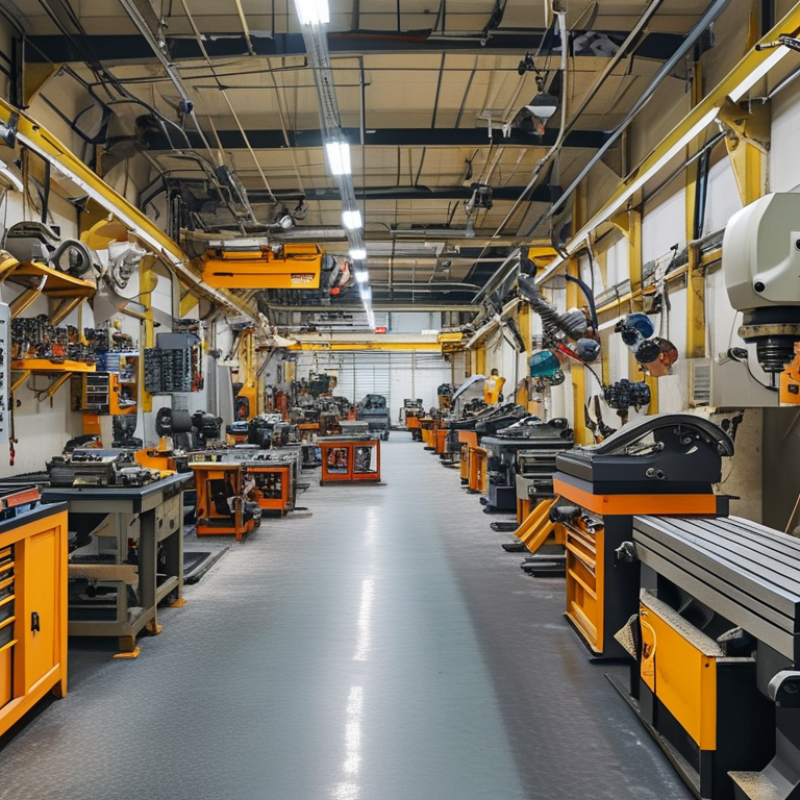
When setting up your machining workshop, determining the space and layout is crucial. Begin by assessing the available area. Is it a garage, basement, or dedicated building? Each option comes with unique considerations. Measure the dimensions accurately. A cramped space can hinder productivity and creativity.

Consider your workflow. Create zones for different tasks: machining, assembly, and storage. This will streamline processes and reduce unnecessary movement. Think about access to natural light. Well-lit areas improve focus and reduce fatigue. Be mindful of safety; keep hazardous materials away from workspaces.

Tips: Keep paths clear and avoid clutter. This promotes safety and efficiency. Also, invest time in planning the placement of larger machines. They should be positioned to minimize vibration transfer to other tools. Finally, don’t overlook ventilation. Proper airflow is essential for a comfortable and safe environment. Reflect on your layout as your needs evolve—flexibility can enhance your workshop's functionality over time.

Select Essential Machinery and Tools for Your Operations

Setting up a machining workshop requires careful consideration of essential machinery and tools. According to a report by the National Tooling and Machining Association (NTMA), over 70% of small machining shops prioritize investing in versatile CNC machines. These machines enhance precision and efficiency, making them indispensable for various projects. Consider tabletop CNC routers, as they provide an entry point for smaller spaces while maintaining quality output.

It's crucial to select the right tools alongside machines. Indicators suggest that approximately 30% of initial tool purchases in workshops may be inappropriate for intended tasks. This misstep often leads to increased costs and delays. Investing in high-quality cutting tools that match your material types is vital. For example, carbide tools are advisable for tougher materials, ensuring better performance and durability.

In addition, don’t overlook measurement tools like calipers and micrometers. Accurate measurements can save time and materials. Emerging trends show that workshops equipped with digital tools have shown a 25% increase in productivity. However, novice operators might struggle with these advanced tools, highlighting the necessity of training before full-scale operation. Each choice shapes the workshop's long-term efficiency and success.

Establish Proper Power Supply and Ventilation Systems

Setting up a machining workshop requires careful planning. One critical aspect is establishing a proper power supply. Ensure that your workshop can meet the demands of your machinery. High-power tools require dedicated circuits to function safely. Installing circuit breakers can prevent overloads and protect your equipment.

Ventilation systems are equally important. Proper airflow helps remove harmful fumes and particulate matter created during machining. Consider installing exhaust fans and air filtration systems. These will enhance air quality and worker safety. Regular checks on these systems are essential.

Don’t overlook the layout of power outlets and ventilation ducts. Position them strategically to ensure accessibility and efficiency. An ineffective layout can lead to complications and accidents. Always review and assess your setup as you grow. Making necessary adjustments can lead to a more productive and safer environment.

Implement Safety Protocols and Emergency Procedures

Setting up a machining workshop involves several crucial elements. Implementing safety protocols and emergency procedures is central to this process. According to the Occupational Safety and Health Administration (OSHA), nearly 400,000 workers are injured in machine-related incidents annually. This staggering statistic emphasizes the importance of a robust safety framework.

Having clear safety protocols reduces risk significantly. Begin by conducting a risk assessment of all equipment. Identify possible hazards and implement measures to mitigate them. Regular safety drills can ensure that all workers know what to do in case of emergencies. In fact, the National Safety Council suggests that workplaces with regular safety training see a 20% reduction in accidents.

Equipment safety checks should be routine. Regular maintenance prevents breakdowns and safeguards workers. Emergency procedures need to be visible and accessible, helping workers act swiftly. Moreover, it's important to create a culture of safety, where employees are encouraged to report concerns or near misses. This approach fosters responsibility and awareness among the workforce, yet many workshops fail to prioritize it effectively, reflecting an area for improvement in safety management.

Commit to ongoing education and training in safety protocols. As technology and techniques evolve, so do the potential hazards. Up-to-date training ensures a proactive approach to safety. Ultimately, embedding safety into the workshop’s culture can transform it from a compliance obligation into a core value that protects everyone involved.

Organize Material Storage and Tool Accessibility Solutions

Efficient material storage and tool accessibility are crucial in a machining workshop. With 60% of manufacturing errors linked to tool misplacement, organizing this space can enhance productivity. Utilizing vertical storage solutions can maximize floor space while making tools easily reachable. Shelving units that categorize tools by function or frequency of use can streamline operations.

According to a recent industry report, 70% of machinists believe that better organization reduces machine downtime. Implementing magnetic tool holders saves time during tool changes. Additionally, color coding materials and tools aids in quick identification, promoting workflow efficiency. Regular audits of storage systems identify underused tools and materials.

However, it’s important to reflect on the individual needs of your workshop. What works for one might not suit another. Consider feedback from staff and adjust systems accordingly. This adaptive approach ensures a workspace that evolves with your needs, promoting continuous improvement in operations.

10 Essential Steps to Set Up Your Machining Workshop - Organize Material Storage and Tool Accessibility Solutions

Step No. Step Description Material Storage Solution Tool Accessibility Solution
1 Plan Workshop Layout Vertical Storage Racks Mobile Tool Carts
2 Select Machinery Tool Cribs Workbenches with Tool Holders
3 Optimize Workflow Shelving Units Pegboards
4 Establish Safety Protocols Fireproof Cabinets Accessible Emergency Tools
5 Implement Material Handling Systems Bins and Containers Tool Balancers
6 Inventory Management Labeling Systems Tool Shadow Boards
7 Regular Maintenance Schedule Maintenance Logs Dedicated Tool Maintenance Area
8 Create a Cleaning Routine Cleaning Supplies Station Removable Tool Racks
9 Designate Work Zones Segregated Storage Areas 区域工具分配
10 Continuously Improve Feedback Mechanisms Adjustable Tool Setups

FAQS

: What is essential for setting up a machining workshop?

: You need versatile machinery, like CNC machines, and high-quality tools.

Why are CNC machines prioritized?

They enhance precision and efficiency, crucial for various projects.

What happens if tools aren't suitable for tasks?

Around 30% of initial tool purchases can be inappropriate, leading to increased costs and delays.

What types of cutting tools are advised?

Invest in high-quality cutting tools that match your materials, like carbide for tougher materials.

Why is proper ventilation vital?

It helps remove harmful fumes and enhances worker safety in the workshop.

How can organization affect productivity?

60% of manufacturing errors come from tool misplacement. Better organization reduces downtime.

What storage solutions improve accessibility?

Utilize vertical storage, magnetic holders, and color coding for quick identification of tools and materials.

How important is training on advanced tools?

Novice operators may struggle, making training essential for effective operation.

What should you regularly check in your workshop?

Conduct regular audits on storage systems and ventilation to maintain efficiency and safety.

How can you adapt your workshop setup?

Reflect on your individual needs and adjust layouts based on staff feedback for continuous improvement.

Conclusion

Setting up a machining workshop involves several critical steps to ensure efficiency and safety throughout your operations. First, it's essential to determine the appropriate space and layout for your workshop, allowing optimal workflow and accessibility. Next, selecting the right machinery and tools tailored to your specific tasks is crucial. Additionally, establishing a reliable power supply and proper ventilation systems will support the functioning of your equipment while maintaining a safe environment.

Implementing strict safety protocols and emergency procedures is vital to protect yourself and others in the workspace. Finally, organizing material storage and enhancing tool accessibility will streamline operations and improve productivity. By following these guidelines on how to set up a machining workshop, you can create a functional and safe environment poised for successful machining endeavors.

Aria

Aria

Aria is a dedicated marketing professional with a deep passion for innovative strategies and a keen understanding of our company's product offerings. With a wealth of experience in the industry, Aria excels at crafting engaging content that highlights the unique features and benefits of our......