How to Ensure Safety Measures in Machining Workshops?

Time:2026-06-07 Author:Amelia
0%

Machining workshops are crucial in the manufacturing sector. However, they pose significant risks to workers if safety is not prioritized. It's vital to address what safety measures are required in machining workshops to protect employees and minimize accidents. Implementing proper protocols can significantly reduce hazards.

In these environments, operators face dangers from sharp tools, heavy machinery, and hazardous materials. Training staff on safety practices is essential. Workers must understand how to use equipment safely and wear necessary protective gear. Regular maintenance of machines can prevent unexpected malfunctions.

Moreover, workshops should have clear safety guidelines visible to all. Signage can remind staff of potential hazards. Regular safety drills are important but often overlooked. Reflecting on these practices can reveal gaps in safety. Overall, ensuring safety in machining workshops is a shared responsibility, demanding continuous evaluation and improvement.
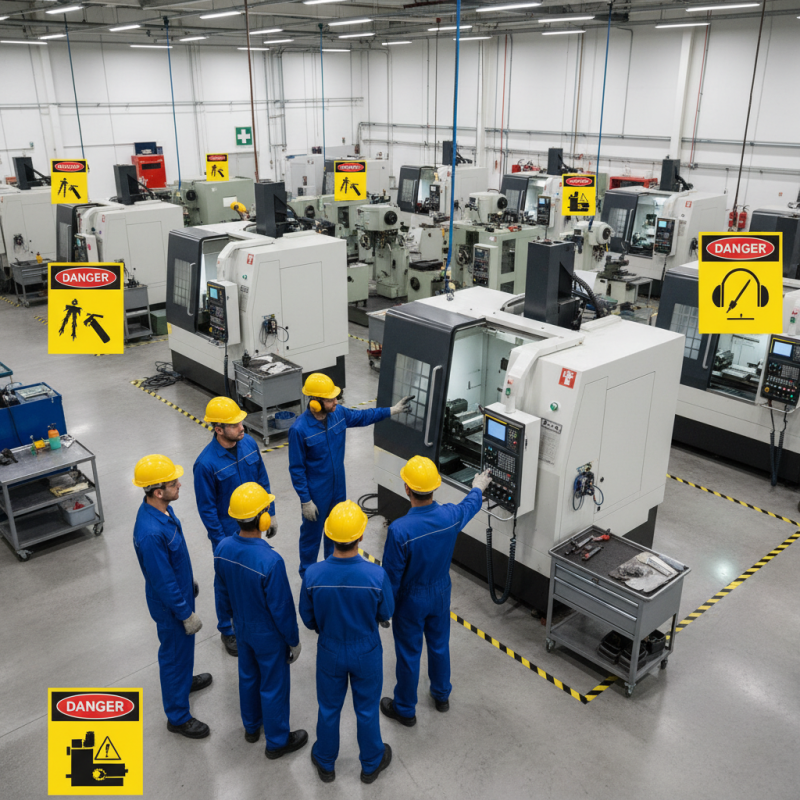
How to Ensure Safety Measures in Machining Workshops?

Identifying Common Hazards in Machining Workshops

Machining workshops present various hazards that can impact worker safety. Identifying these risks is crucial for creating a safer work environment. Common hazards include moving parts, flying debris, and exposure to harmful chemicals. Each of these risks demands attention and appropriate measures to minimize danger.

Tips for identifying hazards: Regular safety audits can help spot potential risks. Workers should be trained to recognize unsafe conditions. An open dialogue encourages team members to share concerns. Pay attention to the manufacturing processes. Operating machines often generates debris, leading to injuries. Tools should be maintained properly, as worn equipment can create unexpected hazards.

Chemical storage also plays a significant role. Many workshops contain solvents or lubricants that can be harmful. Proper labeling and storage of these substances are necessary. Consider creating a designated area for these materials. Safety data sheets should be accessible, providing information about chemical hazards. Ensure all workers know how to react in emergencies. By fostering an environment of communication and education, the workplace safety culture can improve. This requires ongoing effort and dedication from all team members.

Implementing Proper Personal Protective Equipment (PPE) Usage

In machining workshops, personal protective equipment (PPE) is crucial for ensuring worker safety. Proper usage of PPE can significantly reduce the risk of injury. Workers should wear safety goggles to protect their eyes from flying debris. Gloves are essential, but they must be appropriate for the task. Loose-fitting gloves can get caught in machinery, leading to accidents.

Hearing protection is often overlooked. Prolonged exposure to loud machinery can cause hearing loss. Workers should use earmuffs or earplugs consistently. Respirators are necessary when handling materials that generate harmful dust or fumes. It's easy to forget these safety measures during busy hours, but they are vital.

Training on proper PPE usage should be regular and comprehensive. Workers should understand the importance of each piece of equipment. Regular audits can help identify gaps in safety measures. If workers feel uncomfortable with their PPE, it may lead to improper usage. Encouraging open discussions about safety can improve compliance. An environment that prioritizes safety will ultimately benefit everyone.

Establishing Safe Machine Operating Procedures

Establishing safe machine operating procedures is crucial in machining workshops. These procedures should be clear and accessible. Each worker must understand the risks involved with their tasks. This starts with proper training.

Training should include hands-on experience. Workers need to practice using machines under supervision. They should learn to identify potential hazards. For instance, understanding how to safely handle sharp tools is essential. Frequent refresher courses can reinforce safety knowledge.

It is also important to involve employees in the development of safety procedures. They have firsthand insights into daily operations. Their feedback can highlight overlooked risks. Regular safety audits can help refine these procedures over time. Engagement fosters a culture of safety awareness. Everyone should feel responsible for upholding these standards.

How to Ensure Safety Measures in Machining Workshops? - Establishing Safe Machine Operating Procedures

Safety Measure Description Frequency of Training Responsible Personnel Compliance Status
Personal Protective Equipment (PPE) Ensure all workers wear appropriate PPE such as goggles, gloves, and helmets. Annual Safety Officer Compliant
Machine Lockout/Tagout (LOTO) Follow procedures to ensure machines are properly shut down and unable to be restarted during maintenance. Bi-annual Maintenance Supervisors Compliant
Emergency Procedures Establish clear procedures for responding to emergencies, including fire and chemical spills. Annual Safety Officer Compliant
Equipment Maintenance Regular maintenance and inspection of machines to ensure they operate safely and efficiently. Monthly Technicians Compliant
Ergonomics Training Train employees on proper lifting techniques and workstation ergonomics to prevent injuries. Semi-annual Human Resources Compliant

Conducting Regular Safety Training and Drills for Workers

Regular safety training and drills are crucial in machining workshops. Workers must understand the potential hazards they face daily. This understanding helps them react effectively in emergencies. Training should cover the safe operation of machinery and the use of personal protective equipment (PPE). Engaging demonstrations can enhance learning. Workers should practice emergency scenarios. This builds confidence and prepares them for real situations.

Drills should occur frequently, not just once a year. Unexpected incidents can happen anytime, so ongoing training keeps safety at the forefront. Monitor participation and ask for feedback. It's essential to refine the training based on actual experiences. Assessing the effectiveness of these drills identifies gaps in knowledge and areas for improvement. Safety is a continuous process, requiring attention and adaptation.

Safety training isn't just a checkbox. Reflect on how drills are conducted. Are workers fully engaged? Are they encouraged to voice concerns? These discussions can uncover blind spots in safety protocols. Developing a safety culture takes time and commitment. Let workers own their safety journey. Encourage them to share insights and suggestions. Their input shapes a safer working environment.

Creating an Effective Maintenance Schedule for Equipment Safety

In any machining workshop, equipment safety is paramount. A well-structured maintenance schedule can significantly mitigate risks. Regular checks prevent unexpected breakdowns, which are often dangerous. Keeping machinery in optimal condition boosts productivity and safety.

Tips for a Maintenance Schedule:

  • Conduct daily inspections of critical equipment.
  • Weekly checks should include lubrication and wear assessments.
  • Set monthly performance reviews to catch issues early.

Equipment aging is a reality. Machines degrade over time, sometimes unexpectedly. A faulty part can lead to accidents. Keeping a log of maintenance actions helps track repairs and replacements. Encourage staff to report unusual sounds or vibrations. Ignoring these signs can lead to bigger problems.

Consider the user experience as well. Workers must feel comfortable with the equipment. If a machine seems off, it's crucial to address it quickly. Involving employees in the maintenance process fosters a safety culture. Their input is valuable for continuous improvement.

FAQS

: Why are safe machine operating procedures important?

: They help reduce risks and ensure that every worker understands their tasks.

What should training for machine operation include?

Training should include hands-on experience and supervision for practical understanding.

How can workers identify potential hazards?

They should learn how to handle tools safely and recognize unsafe conditions.

Why is employee involvement in safety procedures valuable?

Employees have insights into risks that may be overlooked, enhancing safety measures.

What can regular safety audits achieve?

Audits help refine procedures and maintain a culture of safety awareness.

How can equipment maintenance prevent accidents?

A scheduled maintenance plan can detect issues early and keep machines safe.

What regular inspections are necessary for equipment safety?

Daily inspections, weekly lubrication checks, and monthly performance reviews are essential.

How can equipment aging affect safety?

Aging machines can fail unexpectedly, leading to dangerous situations if not monitored.

What should workers do if they notice unusual equipment behavior?

They should promptly report any strange sounds or vibrations to prevent accidents.

How does involving employees in maintenance foster safety?

When workers contribute, it promotes a collective responsibility for safety and continuous improvement.

Conclusion

Ensuring safety measures in machining workshops is crucial for protecting workers and maintaining a productive environment. First, it is important to identify common hazards specific to machining operations, such as rotating machinery and sharp tools. Once these hazards are recognized, the proper personal protective equipment (PPE) should be implemented to safeguard workers from potential injuries. Establishing safe machine operating procedures is also essential, providing clear guidelines on how to operate machinery safely.

Moreover, conducting regular safety training and drills for workers helps reinforce safety protocols and prepares them for emergencies. Lastly, creating an effective maintenance schedule for equipment ensures that all machines function safely and efficiently. In summary, understanding what safety measures are required in machining workshops and adhering to these practices can significantly enhance workplace safety and reduce the risk of accidents.

Amelia

Amelia

Amelia is a seasoned marketing professional with a wealth of expertise in our company’s core offerings. With an unwavering passion for driving growth and innovation, she plays a pivotal role in shaping our marketing strategies and enhancing brand visibility. A key aspect of her responsibilities......