Understanding what causes surface defects in machining is crucial for manufacturers seeking to enhance product quality. Dr. Emily Thompson, a renowned expert in precision engineering, states, "Surface defects can undermine the integrity of machined parts, leading to costly rework." This highlights the importance of identifying and addressing these defects in the machining process.
Surface defects can arise from various factors. Tool wear, improper cutting speeds, and poor machine calibration can all contribute to issues like scratches, dents, or uneven finishes. Even seemingly minor variables can create major quality concerns. This emphasizes the need for a detailed analysis of machining processes to uncover potential defects.
Addressing what causes surface defects in machining requires a systematic approach. Regular maintenance of tools and machinery, along with rigorous training for operators, is essential. However, many manufacturers overlook these aspects. A proactive strategy can reduce errors and bolster the overall quality of machined components. Reflecting on these elements can lead to improved practices and a more reliable production environment.
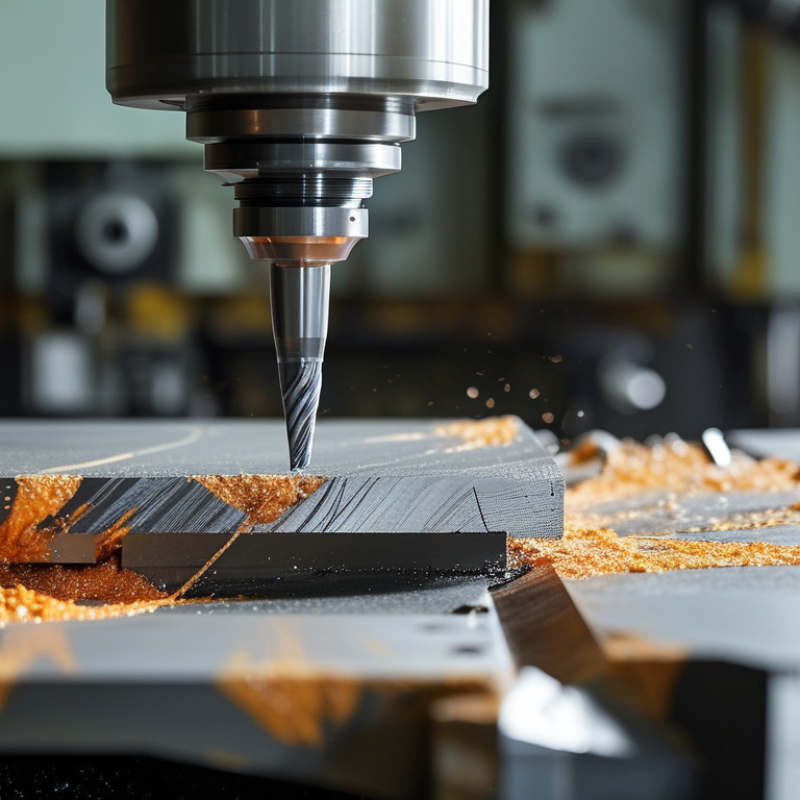
Definition and Importance of Surface Quality in Machining
Surface quality in machining is crucial for product performance and lifespan. Defects on the surface can lead to failures in various applications. According to a report by the International Journal of Advanced Manufacturing Technology, up to 30% of machining problems are directly related to surface defects. These can include scratches, pitting, and roughness levels that exceed acceptable standards. Enhanced surface quality ensures not just aesthetic appeal but also functional reliability in critical components.
Several factors contribute to surface defects during machining. Tool wear, improper feed rates, and inadequate lubrication often lead to rough surfaces. A study published by the Society of Manufacturing Engineers emphasizes that optimizing cutting parameters can reduce defects by nearly 40%. However, many manufacturers still overlook these factors, leading to higher rejection rates and increased costs. Regular training and adherence to machining best practices are essential for maintaining high surface quality standards.
Moreover, measurement tools that assess surface integrity are vital. Using advanced techniques, like laser scanning, can provide real-time feedback on surfaces. This proactive approach helps in identifying issues before they escalate into bigger problems. Yet, many companies still rely solely on visual inspection, which can miss subtle nuances in quality. Investing in appropriate technology can be the difference between compliance and failure.
Surface Defects in Machining
This chart illustrates the frequency of various surface defects encountered during machining processes, showcasing the importance of surface quality control.
Common Types of Surface Defects and Their Characteristics
Surface defects are common in machining processes, impacting both aesthetics and functionality. Understanding these defects is crucial for improving manufacturing quality.
Chatter marks are one significant type of surface defect. They arise from tool vibration during cutting, leading to noticeable ripples on the workpiece. According to the American Society of Mechanical Engineers, chatter can reduce tool life by up to 30%. Another prevalent defect is tool marks, which occur due to improper tool geometry or feed rate. This can create grooves that are often unacceptable in precision components.
To minimize these defects, ensure proper tool selection. Use tools suited for the material being machined. Maintaining consistent feed rates also helps avoid tool marks. Regular monitoring of tool condition can prevent chatter marks.
While defects may be inevitable in some cases, analyzing patterns can lead to improvements. Regularly inspect products and implement corrective actions. Quality control is key. Identifying and reacting to surface defect trends can significantly enhance overall production quality.
What Causes Surface Defects in Machining and How to Avoid Them?
| Defect Type |
Characteristics |
Causes |
Prevention Methods |
| Chatter Marks |
Periodic patterns on the surface indicating vibration issues. |
Improper setup, tool wear, or incorrect cutting speeds. |
Optimize machining parameters and use stable setups. |
| Tool Marks |
Visible scratches or grooves left by the tool. |
Inappropriate tool selection or incorrect feed rates. |
Select the right tools and optimize feed rates. |
| Pitting |
Localized depressions on the surface, often leading to corrosion. |
Contamination or inadequate cooling/lubrication. |
Maintain clean equipment and proper lubrication practices. |
| Burnishing |
Dark, shiny areas on the surface indicating overheating. |
Excessive cutting speed or dull tools. |
Use appropriate speeds and replace dull tools promptly. |
| Delamination |
Separation of layers in composite materials. |
Improper cutting conditions or excessive tool wear. |
Appropriate tool choice and monitoring wear patterns. |
Key Factors Contributing to Surface Defects in Machining Processes
Surface defects in machining processes can seriously impact product quality. Key factors contributing to these defects include improper tool selection, incorrect machining parameters, and inadequate workpiece material preparation. Research indicates that up to 25% of machined components display surface imperfections due to these variables.
Tool wear is a common issue. As tools degrade, they can create burrs, scratches, and other blemishes. An estimated 42% of defects arise from using worn tools—highlighting the need for regular inspections and replacements. Additionally, if the cutting speed or feed rate is not optimized, vibration can occur. This vibration not only reduces precision but also results in undesirable surface finishes.
Tips: Regularly monitor tool conditions. Set precise parameters for speed and feed rates. Maintain a stable machining environment to minimize vibrations.
Material properties also play a crucial role. Harder materials can chip more easily, while softer ones may deform. Careful selection and preparation of workpieces are essential. According to industry studies, nearly 30% of defects arise from material flaws. Therefore, ensure the quality of raw materials prior to machining.
Tips: Conduct material testing before machining. Invest in training for operators on how to handle various materials effectively.
Best Practices and Techniques to Mitigate Surface Defects
Surface defects in machining are common challenges that can significantly affect part quality. To mitigate these issues, specific best practices and techniques can be employed. Attention to detail in the machining process is vital for achieving optimal results.
One essential tip is to maintain sharp cutting tools. Dull tools can cause increased friction, leading to undesirable surface finishes. Regularly inspect and replace tools as needed. Another effective strategy is to choose the right cutting speed. This involves understanding the material characteristics and selecting appropriate speeds to minimize heat generation and wear.
Coolant application is also crucial. Proper coolant usage can help reduce temperature and improve surface finish. Ensure that the coolant reaches the cutting zone effectively. However, using too much coolant can lead to other issues, such as contamination. Periodic adjustment and monitoring of coolant flow can enhance performance.
Regular training and skill development of operators contribute significantly to reducing defects. Knowledgeable machinists can identify potential issues early. Regular reviews of machining processes help identify areas needing improvement. Implementing these practices can lead to more consistent and defect-free surfaces, enhancing the overall quality of machined parts.
Monitoring and Inspection Methods for Surface Quality Control
Monitoring and inspection methods play a critical role in ensuring surface quality during machining processes. Regular visual inspections can quickly identify obvious defects like scratches or discoloration. However, relying solely on the human eye may lead to overlooked imperfections, especially microscopic ones. Integrating advanced technologies, such as optical inspection systems, can enhance detection accuracy and help capture surface irregularities that are not visible.
Using non-destructive testing (NDT) methods, such as ultrasonic or eddy current testing, is another effective strategy. These techniques allow for a detailed evaluation without damaging the part. Accurate monitoring decreases the risk of defects going unnoticed, which can lead to costly reworking or increased waste. Employing a consistent inspection schedule is essential, as it encourages a culture of quality and helps in continuously improving machining practices.
Establishing performance metrics encourages teams to reflect on their processes. Are the current methods sufficient to maintain surface standards? Regularly reviewing inspection results fosters a proactive approach to quality control. Encouraging feedback from operators can also highlight unaddressed areas in the inspection process. This continuous loop of feedback and improvement is vital for reducing surface defects in machining.
FAQS
: Key factors include improper tool selection, incorrect machining parameters, and inadequate material preparation.
Worn tools can create burrs and scratches, causing up to 42% of surface defects.
Regular inspections prevent defects and ensure tools remain effective during machining.
Hard materials may chip, while softer ones can deform, leading to about 30% of defects.
Conduct material testing to identify flaws prior to starting the machining process.
Visual inspections can identify obvious defects, but advanced technologies improve detection of microscopic issues.
It maintains quality standards and helps teams identify and address potential defects early.
They encourage reflection on processes, fostering improvement and reducing surface defects.
Feedback can highlight overlooked issues and contribute to a culture of continuous quality improvement.
Ignoring microscopic imperfections can lead to costly rework and increased waste.
Conclusion
The article "What Causes Surface Defects in Machining and How to Avoid Them?" explores the critical importance of surface quality in machining processes. It outlines various types of surface defects, such as scratches, pits, and burrs, highlighting their characteristics and impacts on product performance. Understanding what causes surface defects in machining is essential for improving overall quality and efficiency.
Key factors contributing to these defects include improper tool selection, inadequate cutting conditions, and tool wear. To mitigate surface defects, the article recommends best practices such as optimizing machining parameters and implementing regular maintenance routines. Additionally, it emphasizes the importance of monitoring and inspection methods for effective surface quality control, ensuring that products meet the desired specifications before final use.

 DSCUT CNC